Can Automatic Doors Be Designed to Meet Emergency Egress Requirements and Ensure Safe Evacuation
Can Automatic Doors Be Designed to Meet Emergency Egress Requirements and Ensure Safe Evacuation?
Automatic doors are widely used in commercial buildings, hospitals, and retail spaces due to their convenience and accessibility. However, their functionality during emergency situations is a critical factor that must be addressed. Emergency egress requirements are set to facilitate safe evacuation, and automatic doors must comply with these regulations to be considered suitable for such environments. This article explores whether automatic doors can be adapted to meet these safety standards and contribute to effective emergency evacuation.
Can Automatic Doors Be Designed to Meet Emergency Egress Requirements and Ensure Safe Evacuation?
Compliance with Emergency Exit Regulations
Automatic doors must adhere to strict safety standards to be used as emergency exits. Regulations such as those established by the International Building Code (IBC) and National Fire Protection Association (NFPA) require that exit doors function reliably under all circumstances, including power failures and fire emergencies.
Most modern automatic doors are equipped with fail-safe mechanisms that allow them to open automatically or switch to manual mode in case of power loss. This feature prevents occupants from being trapped inside a building during emergencies. Additionally, integration with fire alarm systems enables automatic doors to respond appropriately when an evacuation is necessary.
Fail-Safe and Redundant Power Systems
One of the primary concerns with automatic doors during an emergency is their dependency on electrical power. To address this, manufacturers incorporate backup power sources such as battery-operated systems or emergency generators. These redundant power solutions help maintain door functionality even when the main power supply is disrupted.
In high-risk buildings where rapid evacuation is crucial, it is essential that automatic doors default to an open position when an emergency occurs. Some models utilize spring-loaded mechanisms that release the doors when power is lost, allowing unrestricted movement for evacuees.
Integration with Fire Safety Systems
Puertas automaticas Valencia should work seamlessly with fire safety systems to enhance emergency response. When connected to fire alarm systems, these doors can be programmed to open immediately upon detecting smoke or excessive heat, facilitating faster evacuation. Additionally, fire-rated automatic doors are designed to contain flames and smoke, helping to prevent the spread of fire while guiding occupants safely toward exits.
For locations such as hospitals and high-traffic commercial spaces, automatic doors must strike a balance between fire containment and rapid egress. Some models feature delayed opening settings that allow authorized personnel to override door functions manually, preventing the spread of hazardous conditions while still permitting evacuation.
Manual Override and Emergency Push Bars
Although automatic doors provide ease of access, they should always have manual override options in place. Emergency push bars or breakaway mechanisms allow individuals to exit quickly if the automatic system malfunctions.
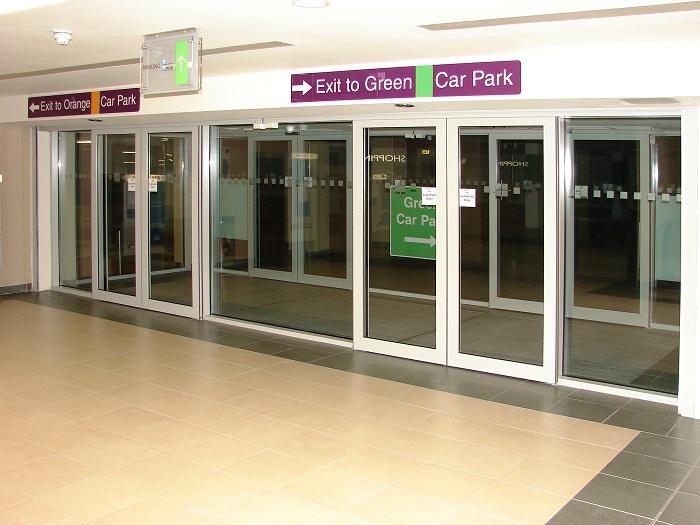
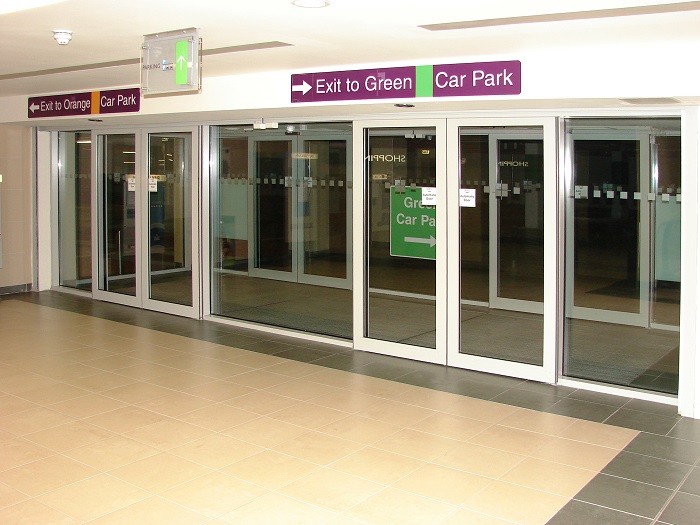
For example, sliding doors commonly found in commercial buildings can be equipped with breakout panels. In an emergency, these panels can be pushed outward to create a clear exit path. This design is particularly useful in areas with high foot traffic, where rapid movement is necessary to prevent congestion and panic.
Conclusion
Automatic doors can be adapted to meet emergency egress requirements by incorporating fail-safe mechanisms, backup power sources, and manual override options. Their ability to integrate with fire alarm systems further enhances safety during evacuations. In high-traffic areas, thoughtful design considerations help improve evacuation efficiency.
Post Your Ad Here
Comments