What Are the Optional Configurations of a Concrete Plant?

A concrete plant is a vital component in the construction industry, providing the necessary materials for various projects. To meet different construction demands, manufacturers offer several optional configurations. These features enhance efficiency, flexibility, and performance. This article explores the optional configurations of a concrete mixing plant(planta hormigonera)and how they impact operations.
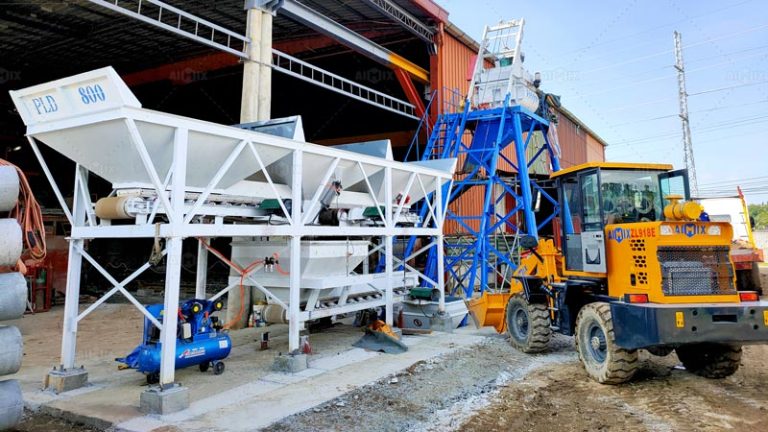
Optional Configurations for a Concrete Plant
1. Aggregate Storage Systems
The storage of aggregates for concrete mixing plant significantly affects plant performance. Common configurations include:
Inline storage bins: Ideal for large-scale projects requiring continuous production.
Hopper-type storage: Suitable for compact plants where space is limited.
Silos for fine aggregates: Helps maintain material quality and consistency.
2. Types of Concrete Mixers
Different types of mixers impact the quality of the final concrete mix:
Twin-shaft mixer: Offers high efficiency and uniform mixing, suitable for large plants.
Planetary mixer: Provides excellent homogeneity, often used in precast applications.
Drum mixer: Common in portable concrete batching plant(planta dosificadora de concreto portatil) setups due to its simplicity and mobility.
3. Water and Admixture Systems
Proper water and admixture control ensures high-quality concrete production:
Automatic water dosing system: Ensures precise control over water-cement ratios.
Admixture metering system: Enhances concrete properties, such as durability and setting time.
Recycling system: Helps reduce water waste and lower environmental impact.
4. Dust Collection and Environmental Control
Environmental regulations require dust and pollution control systems:
Baghouse filters: Capture airborne dust, reducing pollution.
Water spray systems: Minimize dust emissions in dry conditions.
Enclosed conveyor belts: Prevent material spillage and airborne dust.
5. Control System Options
Automation plays a crucial role in plant efficiency:
Manual control system: Suitable for small-scale projects or backup operation.
Semi-automatic system: Offers limited automation with operator input.
Fully automated system: Ensures precision in material mixing and batching, improving efficiency.

6. Mobility Features for Portable Plants
For on-site projects, a portable concrete batching plant is essential. Key mobility features include:
Trailer-mounted design: Enables quick relocation.
Modular components: Simplifies installation and dismantling.
Self-erecting features: Reduces setup time and labor costs.
7. Heating and Cooling Systems
Temperature control is essential for maintaining concrete quality:
Hot water heating system: Prevents freezing in cold climates.
Chiller system: Cools water for hot-weather applications.
Ice dosing system: Used in extreme heat conditions to maintain optimal mix temperature.
8. Cement and Fly Ash Storage
Flexible storage solutions improve material handling:
Multiple cement silos: Allow different types of cement storage.
Fly ash silos: Improve concrete durability and sustainability.
Pneumatic conveying system: Ensures smooth material flow.
9. Weighing and Batching Systems
Accurate measurement ensures mix consistency:
Electronic load cells: Provide precise weighing for aggregates, cement, and water.
Dual batching system: Allows simultaneous mixing of different batches.
Moisture sensors: Adjust water content automatically for mix consistency.
10. Customization for Mini Concrete Plants
A mini concrete plant(mini planta de concreto) is ideal for small-scale projects. Customizable features include:
Compact design: Space-saving configurations for urban areas.
Skid-mounted system: Quick setup and relocation.
Low power consumption: Energy-efficient operations.
Conclusion
Choosing the right optional configurations for a concrete plant enhances efficiency, flexibility, and performance. Whether opting for an advanced concrete mixing plant, a portable concrete batching plant, or a mini concrete plant, selecting the appropriate features ensures optimal production for various construction needs. Investing in these options improves productivity, reduces waste, and meets environmental standards, making concrete production more sustainable and cost-effective.
Post Your Ad Here
Comments