Plan a Maintenance and Replacement for Your Trailer Concrete Pump
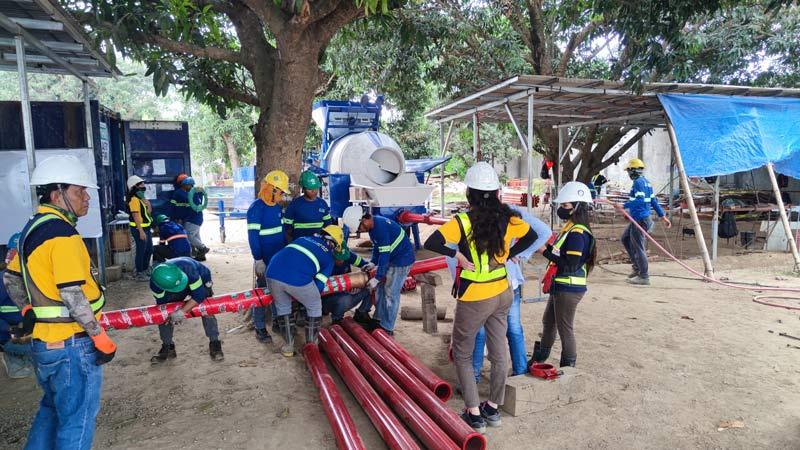
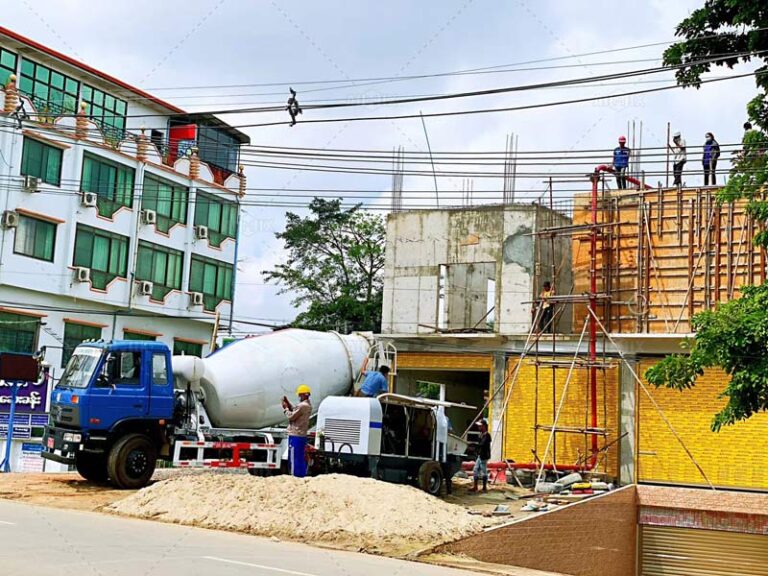
A trailer concrete pump is a vital piece of machinery for any construction project, providing the efficiency needed to transport and pour concrete over long distances. To ensure that your pump continues to operate at peak performance, it's essential to plan for regular maintenance and timely replacement of its components. A proactive approach to pump care will not only extend the life of your equipment but also reduce the risk of downtime and costly repairs. In this article, we will guide you on how to plan a comprehensive maintenance and replacement schedule for your trailer concrete pump.
The Importance of Regular Maintenance for Trailer Concrete Pumps
Concrete pumps are heavy-duty machines that work in tough environments. Like any machinery, the trailer concrete pump(bomba estacionaria de hormigón) requires consistent maintenance to keep it running smoothly. Regular upkeep can prevent unexpected failures, increase efficiency, and ensure that the pump operates safely. By planning for regular maintenance, you can address minor issues before they escalate into expensive repairs or replacements.
1. Establish a Maintenance Schedule
Creating a clear and detailed maintenance schedule for your trailer concrete pump is the first step toward keeping it in optimal condition. Regular check-ups help identify wear and tear on various components, allowing you to replace parts before they cause a breakdown.
Components to Check Regularly:
- Hydraulic System: The hydraulic system is crucial for the operation of your pump, so check hydraulic fluid levels and inspect hoses for leaks or damage.
- Pistons and Valves: Inspect the pistons and valves for any signs of wear or clogging, as these parts are vital for the smooth transfer of concrete.
- Pumping Mechanism: The pumping mechanism should be cleaned and lubricated regularly to ensure optimal performance and reduce the risk of premature failure.
- Seals and Gaskets: Check for wear on seals and gaskets, which can cause leaks and reduce the pump’s efficiency.
Regular inspections should be conducted at set intervals, depending on the usage and the manufacturer's recommendations. Keeping track of these inspections will help ensure that your trailer concrete pump remains in good working order.
2. Clean Your Trailer Concrete Pump Regularly
Cleaning is a critical aspect of maintenance, as it helps remove hardened concrete and debris that can clog or damage the pump(autobombas de hormigon). A buildup of concrete can cause blockages in the pipes and hoses, making it difficult for the pump to function effectively.
Cleaning Tips for Your Trailer Concrete Pump:
- After Each Use: Always clean the hopper, pipes, and pumping mechanism after every job. Use water or a concrete pump cleaning solution to remove concrete residues.
- Flush the System: Flush the pipes and hoses regularly with water to clear out any hardened concrete.
- Inspect for Clogs: Check for any obstructions in the system that could impair the flow of concrete.
Regular cleaning will prevent the accumulation of hardened concrete, improving the pump's performance and preventing long-term damage.
3. Perform Preventative Replacements
Some components of your trailer concrete pump will naturally wear out over time due to constant use. Identifying parts that need to be replaced before they fail will save you money and prevent costly breakdowns during a job.
Parts That May Need Replacing:
- Hoses and Pipes: Concrete hoses and pipes are susceptible to wear from the high pressure and abrasive nature of concrete. Replace them when they show signs of cracking, bulging, or damage.
- Rubber Seals and Gaskets: Rubber seals can degrade over time, leading to leaks. Inspect and replace them as needed to prevent issues with the hydraulic system or pumping mechanism.
- Filters and Oil: Replace the oil and hydraulic filters as per the manufacturer’s recommendations to maintain the smooth operation of the system.
- Piston Cups and Valves: These parts are exposed to intense pressure and can wear down, affecting the efficiency of the pump. Regularly check and replace them to avoid problems.
By planning ahead and replacing parts at regular intervals, you can avoid more serious malfunctions and downtime.
Understanding the Timing for Replacement
While routine maintenance is essential for prolonging the life of your trailer concrete pump, there comes a time when certain parts will need to be replaced entirely. Knowing when to replace components can prevent costly repairs and keep your project on schedule.
1. Signs That a Component Needs Replacement
Not all parts will show immediate signs of failure, but there are key indicators that suggest it’s time to replace a component. Here’s what to look for:
Common Signs of Wear:
- Unusual Noises: Grinding, squeaking, or other abnormal noises during operation can indicate worn-out pistons, valves, or other mechanical parts.
- Decreased Pump Pressure: If you notice a decrease in pressure or a slow pumping rate, it could signal clogged pipes, worn-out seals, or other issues.
- Leaks: Hydraulic fluid or concrete leakage around hoses or valves is a sure sign that parts need to be replaced.
- Increased Downtime: If the pump is frequently down for repairs or maintenance, it may be more cost-effective to replace certain components rather than continue patching up the system.
Timely replacement of parts based on these signs will help avoid sudden failures and interruptions during construction projects.
2. Factors to Consider for Replacement
When considering replacement, take into account the following factors:
Age of the Equipment:
Older pumps may require more frequent parts replacement. Consider the age of the machine when planning maintenance and replacement schedules. It might be time to invest in a new pump if the cost of ongoing repairs exceeds the cost of replacement.
Frequency of Use:
Heavy usage or working in challenging conditions (e.g., extreme weather or rough terrain) may accelerate the wear of parts. Increase the frequency of inspections and replacements if your pump is used extensively.
Manufacturer’s Guidelines:
Always refer to the manufacturer’s manual for recommended maintenance intervals and part replacements. Following the guidelines ensures that you’re addressing the most critical components at the right times.
Conclusion
Proper maintenance and timely replacement of parts are essential for ensuring the longevity and efficient operation of your trailer concrete pump. By establishing a regular maintenance schedule, cleaning the pump after each use, and replacing worn components, you can significantly reduce the risk of unexpected breakdowns and costly repairs. Planning for maintenance and replacement not only helps keep your pump in good working condition but also improves safety, reduces downtime, and ensures that your concrete pumps continue to meet the demands of your projects. Make maintenance a priority, and your trailer concrete pump will serve you reliably for years to come.
Post Your Ad Here
Comments