Dancing Cactus: Nature's Unexpected Dance
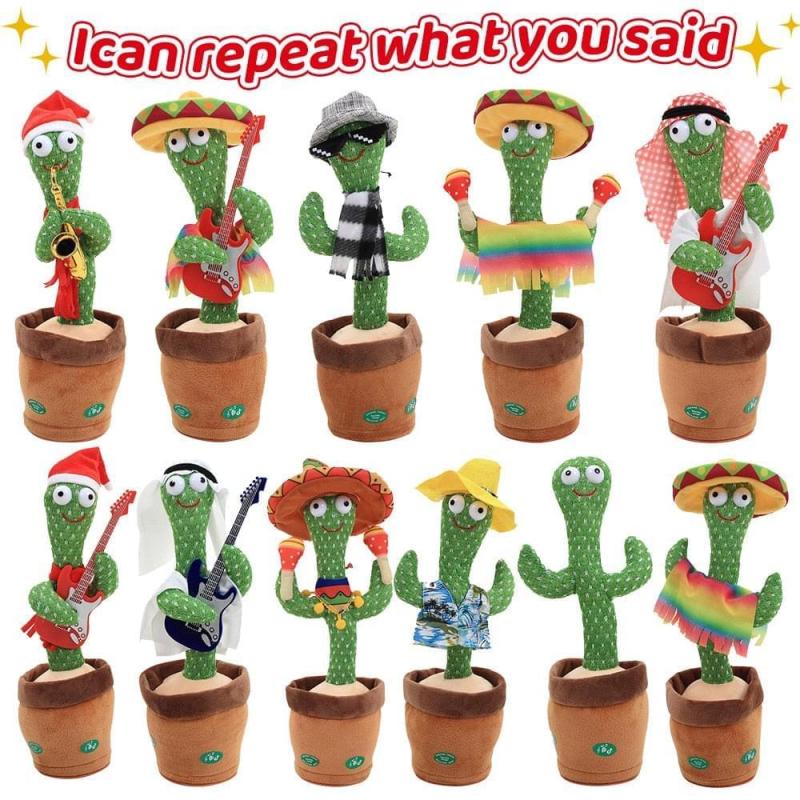
Introduction to the Dancing Cactus Phenomenon
Imagine wandering through a sun-baked desert and suddenly witnessing a sight that defies the arid stillness: a cactus that seems to sway, shimmy, and even twirl as if caught in a rhythmic trance. The “dancing cactus” is more than just a quirky metaphor—it’s a captivating symbol of nature’s endless surprises. In this article, we explore the intriguing phenomenon of the dancing cactus, dissecting its scientific, cultural, and ecological facets in a way that is both informative and engaging.
The Origins of a Quirky Name
The term "dancing cactus" may evoke images of a lively desert plant breaking into spontaneous movement. But where did this unusual name come from? Over time, naturalists and local storytellers have used this phrase to describe cacti that appear to move subtly due to environmental influences. While the idea of a cactus literally dancing might seem far-fetched, the name has captured the imagination of many, blurring the line between reality and folklore.
Cultural Significance of Cacti in Dance
Across many cultures, cacti have played a role in mythology and art. Indigenous communities have often seen these resilient plants as symbols of endurance, while modern art has embraced the dancing cactus as a representation of life’s unexpected rhythms. Whether depicted in murals, sculptures, or even dance performances inspired by the natural curves of these plants, the dancing cactus continues to inspire creativity and wonder.
The Science Behind the Dance
When we speak of the dancing cactus, it’s important to separate poetic imagination from scientific reality. Although cacti cannot “dance” in the human sense, there are fascinating botanical phenomena that might explain their seemingly animated behavior.
Botany and Movement: Myth vs. Reality
Cacti are renowned for their ability to thrive in harsh environments. Their adaptations—thick, water-retentive tissues, spines for protection, and shallow yet widespread root systems—are marvels of natural engineering. Occasionally, certain species exhibit slight movements, such as phototropism (growth towards light) or nyctinasty (movement in response to the day-night cycle). These subtle shifts can sometimes be interpreted as a dance, especially when observed over a long period or under time-lapse photography.
Environmental Triggers and Motion
Several environmental factors can cause a cactus to appear as if it is swaying or dancing. For example, changes in temperature, wind, or light intensity may trigger minute adjustments in the plant’s orientation.
Temperature and Light Factors
Temperature fluctuations can lead to physical expansions and contractions in the cactus’s tissues. Similarly, the constant adjustment towards the sun—a process called heliotropism—can create the illusion of movement. Although these processes are slow and gradual, they imbue the cactus with a lifelike dynamism that has fueled many imaginative interpretations.
Historical and Cultural References
The image of the dancing cactus is steeped in rich historical and cultural contexts that span continents and centuries.
Ancient Folklore and Legends
Long before modern science began to study plant behavior, ancient civilizations looked at the natural world through a lens of wonder and myth. In many desert cultures, the cactus was considered a sacred symbol. Stories and legends often depicted these resilient plants as having a spirit of their own—capable of engaging in mysterious dances under the moonlit sky. Such folklore not only celebrated the cactus’s ability to survive in the harshest conditions but also attributed to it a mystical power that could influence human fortunes.
Modern-Day Interpretations in Art
In today’s creative landscape, the dancing cactus has taken on new meanings. Artists and designers draw inspiration from its unique forms and the subtle motion of its limbs. From abstract paintings to kinetic sculptures, the idea of a cactus that dances has become a metaphor for resilience, adaptation, and the unexpected beauty found in nature’s details. This modern reinterpretation continues to blur the lines between art and science, inviting viewers to reconsider what it means to be alive and in motion.
Exploring the Fascinating World of Dancing Cacti
Diving deeper into the world of cacti, we encounter species and instances that embody the spirit of the dancing cactus in various ways.
Notable Species Exhibiting Dance-like Movements
Not all cacti are created equal. Some species display characteristics that lend themselves to the “dance” metaphor more than others. For instance, certain barrel cacti, with their rounded forms and ribbed exteriors, appear to shift gracefully as they respond to their environment. Additionally, species with flexible joints or segments can give the impression of a subtle, rhythmic sway when observed during the early hours of the morning or late in the evening.
Case Studies and Scientific Observations
Numerous botanical studies have documented the peculiar movements of desert plants. In some cases, researchers have used time-lapse photography to capture the slow, deliberate shifts in a cactus’s position. These studies reveal that while the movements are far from the spontaneous dance of a performer on stage, they are nonetheless a testament to the intricate interplay between biology and environment. Observations indicate that even the slightest motion—driven by a change in light or temperature—can evoke a sense of life and animation in these hardy plants.
The Role of Dancing Cacti in Ecosystems
The concept of the dancing cactus is not merely a poetic expression; it also has significant ecological implications. These plants play vital roles in their natural habitats.
Interaction with Local Wildlife
Cacti are more than just solitary survivors in the desert—they are essential components of a complex ecosystem. The flowering parts of many cacti provide food for pollinators such as bees, butterflies, and birds. Moreover, the unique structure of cacti offers shelter and nesting sites for a variety of desert creatures. The seemingly rhythmic movements of some cacti might even help to disperse pollen or attract certain pollinators, contributing to the overall health of the ecosystem.
Adaptation and Survival in Arid Landscapes
In harsh desert environments, survival hinges on the ability to adapt. The dancing cactus, through its subtle adjustments and resilient nature, epitomizes the spirit of adaptation. Its movements—however slight—are part of a broader suite of survival strategies that enable it to withstand extreme heat, scarce water, and nutrient-poor soils. These adaptations have allowed cacti to not only survive but thrive in conditions where few other plants can.
Human Fascination and Interaction
Humans have long been captivated by the mystery and allure of the dancing cactus, and this fascination has translated into various forms of interaction.
Gardening Trends: Bringing Dancing Cacti Home
In recent years, there has been a surge in popularity for cacti and succulents in home gardening and landscaping. Their low-maintenance nature, combined with their striking appearance, makes them a favorite for both novice and experienced gardeners. Enthusiasts often refer to their most animated specimens as “dancing cacti” because of the way they seem to come alive with movement under the right conditions. For those looking to bring a touch of this lively desert charm indoors, the Dancing Cactus Toy offers a delightful and interactive experience. These toys are celebrated not only for their aesthetic appeal but also for their embodiment of resilience and adaptability.
Artistic Representations and Media Influence
The concept of the dancing cactus has transcended botany and found a place in popular culture. Social media platforms are awash with images and videos of cacti that appear to “dance” in the breeze. Artists have taken this inspiration further by incorporating the theme into their work—whether through digital art, street murals, or live performances. The dancing cactus has become a symbol of joy, spontaneity, and the unexpected beauty of nature, resonating with audiences around the globe.
Myths vs. Facts: Debunking the Dancing Cactus
With any phenomenon that straddles the line between myth and reality, misconceptions are bound to arise. Let’s take a closer look at some common myths and the facts that debunk them.
Common Misconceptions Explained
One widespread myth is that the dancing cactus performs deliberate, rhythmic movements similar to a choreographed dance routine. In reality, the “dance” is a natural response to environmental stimuli—subtle, gradual, and entirely unintentional. Another misconception is that only certain “magical” cacti can dance; however, many species exhibit slight movements that can be interpreted as a dance if observed under the right conditions. The romantic idea of a cactus coming alive under the moonlight is more a product of human imagination than botanical science.
Expert Opinions and Research Insights
Botanists and ecologists emphasize that the perceived movement of cacti is the result of physiological responses. Studies have shown that these movements are linked to processes such as water storage adjustments and light tracking. Experts agree that while the term “dancing cactus” is a charming metaphor, it is important to understand the scientific basis behind these phenomena to appreciate the plant’s true nature.
The Future of Dancing Cactus Research
As technology and research methods advance, our understanding of the natural world continues to deepen—even for subjects as seemingly whimsical as the dancing cactus.
Emerging Technologies and New Discoveries
Modern tools like high-resolution time-lapse cameras, thermal imaging, and molecular analysis are opening up new avenues in botanical research. Scientists are now able to monitor minute changes in plant physiology with unprecedented precision. These emerging technologies are not only shedding light on the mechanisms behind the subtle movements of cacti but are also paving the way for potential discoveries in plant behavior and adaptation.
Potential Impact on Botanical Studies
The insights gained from studying the dancing cactus may have broader implications for our understanding of plant biology. For instance, by unraveling the mysteries of how these plants respond to environmental stressors, researchers could develop new strategies for cultivating drought-resistant crops or preserving endangered desert ecosystems. The dancing cactus, therefore, serves as both a source of aesthetic inspiration and a catalyst for scientific innovation.
Conclusion and Final Thoughts
In the vast, sun-drenched deserts where survival is a daily challenge, the cactus stands as a testament to resilience and adaptation. The phenomenon of the dancing cactus—whether viewed as a literal movement or a poetic metaphor—reminds us that nature is full of surprises. From the subtle shifts driven by temperature and light to the rich cultural narratives that celebrate these plants, the dancing cactus encapsulates the beauty of unexpected motion in an otherwise still world.
This exploration has taken us on a journey through botanical science, folklore, modern art, and environmental stewardship. It’s a story of how nature’s smallest gestures can spark grand tales and how even a cactus—seemingly rooted in place—can evoke the feeling of a dance. As we continue to study and appreciate these marvels of nature, we are reminded to look closer at the world around us, embracing both the scientific facts and the whimsical legends that enrich our understanding of life.
So next time you see a cactus, take a moment to imagine its secret dance—a quiet celebration of survival, creativity, and the endless wonder of the natural world.
FAQs
Q1: Do cacti really move like they are dancing?
A1: While cacti do not “dance” in the human sense, their subtle movements—driven by environmental factors such as light and temperature—can create the illusion of a dance.
Q2: What environmental factors contribute to the movement of a cactus?
A2: Changes in temperature, light intensity, and even wind can cause slight shifts in a cactus’s structure, making it appear as if it is moving rhythmically.
Q3: Are there specific species known as the “dancing cactus”?
A3: The term “dancing cactus” is more of a metaphor used to describe certain cacti that exhibit movement due to their adaptive responses. Some barrel cacti and species with flexible joints are often cited in this context.
Q4: How do cultural interpretations influence the perception of the dancing cactus?
A4: Many cultures have embraced the dancing cactus as a symbol of resilience and mystery. Folklore and modern art have both played significant roles in shaping the perception of these plants, blending scientific observation with creative storytelling.
Q5: Can studying the movements of cacti have practical benefits?
A5: Yes, understanding how cacti adapt to extreme environments can provide insights into developing drought-resistant plants and enhancing our overall knowledge of plant physiology, which can be crucial for ecological and agricultural advancements.
Post Your Ad Here
Comments