The Role of Pulp Valves in Wastewater Treatment and Slurry Handling
Introduction
In industries dealing with wastewater treatment and slurry handling, efficient flow control is essential to maintain operational efficiency and prevent system failures. One of the critical components in such systems is the pulp valve, designed to handle high-viscosity fluids, slurries, and fiber-laden materials without clogging or excessive wear.
Industrial plants and treatment facilities often require high-quality, durable valves to manage challenging flow conditions. Many industries rely on a pulp valve manufacturer in Ahmedabad to source advanced valve solutions that offer superior performance, longevity, and resistance to corrosion and abrasion.
This article explores the function, types, and applications of pulp valves in wastewater treatment and slurry handling, highlighting their importance in industrial processes.
What Are Pulp Valves?
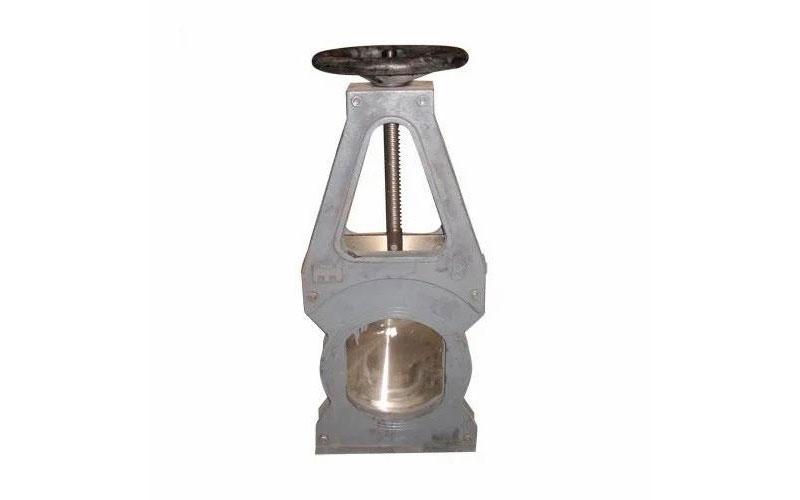
Pulp valves are specialized flow control devices designed to regulate the movement of thick, fiber-rich, and abrasive materials such as paper pulp, sludge, slurry, and wastewater solids. Unlike conventional valves, pulp valves have a non-clogging design and are constructed using durable materials like stainless steel, rubber-lined bodies, and reinforced alloys to withstand harsh operating conditions.
Why Are Pulp Valves Essential in Wastewater Treatment?
In wastewater treatment plants, managing sludge, solid waste, and chemical-laden fluids requires reliable valves that can prevent blockages and ensure smooth processing. Pulp valves play a crucial role in:
1. Efficient Sludge and Wastewater Flow Control
Wastewater treatment involves multiple stages where solid waste is separated from liquid components.
Pulp valves regulate the flow of sludge and wastewater, ensuring smooth movement through filtration and treatment processes.
Their self-cleaning mechanism helps prevent clogging and reduces maintenance needs.
2. Handling Abrasive and Corrosive Substances
Wastewater often contains chemicals, sediments, and fibrous materials that can wear down standard valves.
Pulp valves are built with corrosion-resistant materials, making them ideal for harsh environments.
They provide a tight seal to prevent leaks and contamination.
3. Reducing Maintenance and Downtime
Conventional valves often get clogged or eroded, leading to frequent replacements and system shutdowns.
Pulp valves are designed for high durability, minimizing maintenance efforts and reducing operational costs.
4. Enhancing Automation and Process Efficiency
Many wastewater plants utilize automated valve systems for precise flow control.
Pulp valves can be integrated with pneumatic or electric actuators for efficient process automation.
The Role of Pulp Valves in Slurry Handling
Slurry handling is a critical process in industries like mining, cement production, chemical processing, and paper manufacturing. These industries deal with high-density mixtures of water and solid particles, which require specialized valves to prevent blockages and material buildup.
Pulp valves are widely used in slurry applications due to their:
1. Ability to Handle High-Solid Content Fluids
Slurries often contain minerals, sand, gravel, and fibrous materials that can clog traditional valves.
Pulp valves ensure uninterrupted flow and prevent sediment accumulation.
2. Resistance to Abrasion and High Pressure
The abrasive nature of slurry can damage ordinary valves over time.
Pulp valves are designed with reinforced materials to withstand wear and high-pressure flow conditions.
3. Precise Flow Control for Process Optimization
Slurry processing requires accurate flow control to optimize production efficiency.
Pulp valves provide adjustable flow mechanisms, ensuring smooth material handling.
4. Environmental Safety and Leakage Prevention
Improper slurry handling can cause leaks, leading to environmental contamination and safety hazards.
Pulp valves provide a secure sealing mechanism, preventing spillage and ensuring compliance with environmental regulations.
Types of Pulp Valves Used in Wastewater and Slurry Applications
1. Knife Gate Pulp Valves
Ideal for handling thick sludge and high-solid-content slurries.
Uses a sharp gate mechanism to cut through and regulate the flow of materials.
Commonly used in sewage treatment plants and mining operations.
2. Pinch Pulp Valves
Features a rubber sleeve that pinches shut to stop the flow.
Best suited for abrasive and corrosive materials like slurry and chemical waste.
Provides minimal wear and long service life.
3. Diaphragm Pulp Valves
Uses a flexible diaphragm to regulate fluid movement.
Effective for chemically aggressive wastewater and slurry applications.
Offers leak-proof operation for improved environmental safety.
4. Rotary Pulp Valves
Utilized for continuous material discharge in slurry handling systems.
Works by rotating a blade or disc to regulate flow.
Prevents material accumulation and enhances flow efficiency.
Choosing the Right Pulp Valve Manufacturer in Ahmedabad
Industries looking for reliable pulp valves should partner with a trusted pulp valve manufacturer in Ahmedabad. When selecting a manufacturer, consider:
Material Quality: Ensure the valves are made with durable, corrosion-resistant materials for long-term performance.
Customization Options: Look for manufacturers offering customized solutions tailored to specific industrial needs.
After-Sales Support: Reliable manufacturers provide maintenance, spare parts, and technical assistance.
Industry Certifications: Check for compliance with ISO, API, or other industry standards to ensure high-quality products.
Conclusion
Pulp valves are essential for efficient wastewater treatment and slurry handling, offering superior durability, flow control, and clog-free operation. Their robust construction and advanced sealing mechanisms make them ideal for industries dealing with abrasive, high-solid-content fluids.
For industries looking to invest in high-quality pulp valves, finding a reputable pulp valve manufacturer in Ahmedabad is a crucial step toward ensuring long-term efficiency, cost savings, and environmental safety.
Post Your Ad Here
Comments