The Importance of Play in Early Childhood Development
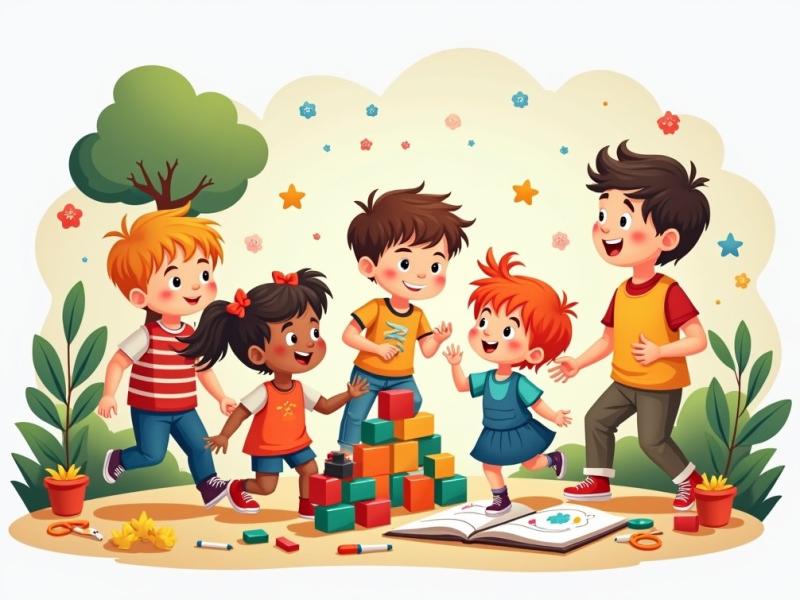
When you hear a child giggling, exploring a puzzle, or running around with friends, you’re witnessing something profound: learning through play. Play is much more than a source of joy for children. It is a cornerstone of their early development, shaping the way they think, move, interact, and express themselves. From building towers to role-playing as superheroes, every moment of play is an opportunity for growth.
This blog explores the role of play in early childhood development, types of play, and actionable ways to support it at home or in a learning environment.
Why is Play Important in Early Childhood?
Play is the language of childhood. It forms the foundation for critical life skills, providing children with a safe and enjoyable way to explore their world. Research shows that play is directly tied to key areas of development:
1. Physical Development
Running, jumping, climbing, and other physical activities help develop fine and gross motor skills. Physical play strengthens muscles, improves coordination, and enhances overall health. Active play also encourages children to understand and respect their physical boundaries.
2. Cognitive Development
Through play, children develop critical thinking and problem-solving skills. Whether it’s solving a puzzle, engaging in pretend play, or building a block tower, they learn cause and effect, spatial awareness, and decision-making.
3. Emotional Development
Play offers children a safe space to express and regulate their emotions. It allows them to experiment with self-expression, build confidence, and develop resilience when challenges arise. For instance, losing a game teaches patience and coping skills.
4. Social Development
Group play nurtures collaboration, communication, and empathy. When children take turns, share toys, or resolve conflicts during play, they’re learning how to navigate social situations and build relationships.
Types of Play and Their Benefits
Different types of play cater to various aspects of a child’s growth:
1. Structured Play
Activities like board games, sports, and puzzles fall under structured play. These activities often have rules and goals, helping children improve focus, discipline, and teamwork.
2. Free Play
Unstructured, child-led play fosters creativity and independence. When children are given the freedom to explore, their imagination takes flight.
3. Pretend Play
Role-playing as doctors, chefs, or astronauts encourages creativity and problem-solving. It also enhances communication skills as children narrate their imagined scenarios.
4. Physical Play
Outdoor games, running, and dancing are excellent for physical health and motor skill development. They also help children expend energy, promoting better sleep and focus.
How to Encourage Play at Home
Parents and caregivers play a crucial role in fostering a play-rich environment. Here are a few practical tips:
- Create a Play Zone: Dedicate a space where your child can safely explore toys, books, and creative materials.
- Balance Structure and Freedom: Incorporate both guided activities and unstructured playtime into your child’s routine.
- Rotate Toys: Instead of overwhelming your child with too many options, rotate toys regularly to keep their interest fresh.
- Be Present: Join your child in play, showing interest in their activities without taking over.
For more ideas on fostering creativity and independence through play, you can explore resources like a Montessori-inspired book, The Montessori Method, which emphasizes hands-on, child-led learning.
The Role of Educators and Caregivers
In educational settings, play-based learning is a powerful tool. Montessori educators, for example, recognize that children learn best through active engagement. Using tools and activities that encourage exploration, Montessori classrooms provide opportunities for children to develop both cognitively and socially.
Caregivers can adopt similar strategies at home:
- Use everyday activities as learning opportunities.
- Encourage collaborative play with siblings or friends.
- Introduce play materials that align with your child’s developmental stage.
Common Myths About Play
It’s easy to dismiss play as merely a break from learning, but this couldn’t be further from the truth. Let’s debunk some common misconceptions:
Myth 1: Play is unproductive.
Truth: Play fosters critical skills like problem-solving, creativity, and emotional regulation.Myth 2: Structured activities are better than free play.
Truth: Both structured and unstructured play have unique benefits, and a balance is essential.Myth 3: Only expensive toys make play meaningful.
Truth: Simple items like cardboard boxes or kitchen utensils can spark creativity just as effectively as fancy toys.
A Call to Prioritize Play
In today’s fast-paced world, where screens often dominate children’s attention, it’s more important than ever to advocate for play. By creating opportunities for your child to play freely, you’re setting them up for a lifetime of learning, creativity, and emotional well-being.
To delve deeper into creating a child-centered play environment, consider reading a Montessori-inspired book like The Montessori Method, which offers timeless insights into the role of play in holistic development.
Play isn’t just about fun—it’s the foundation of a child’s future. Through play, children explore their world, build relationships, and develop the skills they need to thrive. Whether it’s pretending to be a superhero or solving a tricky puzzle, each moment of play is a step toward becoming their best selves.
Take a moment today to encourage your child to play. Join them, guide them, and watch as they grow into confident, creative, and resilient individuals.
Post Your Ad Here
Comments