Educational Toys That Help Kids Learn While They Play
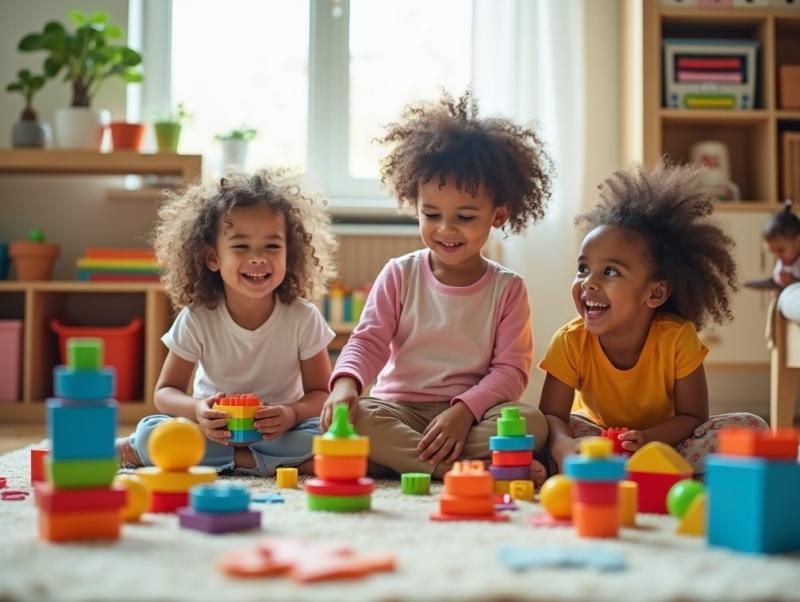
Play is more than just a fun pastime for children; it is a critical part of their growth and development. Educational toys are specifically designed to combine the joy of play with the benefits of learning, fostering cognitive, social, emotional, and physical skills. In this blog, we will explore the importance of educational toys, provide examples for different age groups, and offer practical tips for parents to choose the best toys for their children.
Why Are Educational Toys Important?
Educational toys are powerful tools that encourage learning through hands-on experiences. They support a range of developmental areas, including:
Cognitive Development: Toys that involve problem-solving, such as puzzles and building blocks, enhance critical thinking and logical reasoning skills.
Motor Skills: Manipulative toys like stackers and shape sorters help develop fine and gross motor skills.
Social Skills: Games that require teamwork and cooperation, such as board games, teach kids the value of sharing and collaboration.
Emotional Development: Role-playing toys and pretend playsets help children understand empathy, patience, and resilience.
Features of Great Educational Toys
When choosing educational toys, look for features that maximize their benefits:
Age-Appropriateness: Toys should match the child’s developmental stage to ensure engagement and learning.
Engagement: The toy should capture the child’s interest and encourage exploration.
Safety: Prioritize toys made from non-toxic, durable materials that meet safety standards.
Multifunctionality: Opt for toys that can be used in multiple ways to encourage creativity and open-ended play.
Educational Toys for Different Age Groups
Infants (0–12 Months)
For infants, sensory stimulation is key. Toys that appeal to sight, sound, and touch help in early brain development. Examples include:
Soft rattles
Crib mobiles with contrasting colors
Textured teething toys
Soft fabric books
Toddlers (1–3 Years)
Toddlers are curious explorers. Toys that encourage coordination, problem-solving, and early language skills are ideal:
Stackers and nesting cups
Shape sorters
Push-and-pull toys
Musical instruments
Preschoolers (3–5 Years)
At this stage, children enjoy imaginative play and developing fine motor skills. Suitable toys include:
Pretend playsets (e.g., kitchen or doctor kits)
Large-piece puzzles
Educational tablets with interactive games
Art and craft kits
School-Aged Kids (6–12 Years)
Older kids benefit from toys that challenge their intellect and creativity. Examples include:
STEM kits (science, technology, engineering, and math)
Board games that promote strategic thinking
Advanced building sets (e.g., Lego Technic)
Science experiment kits
Real-World Examples of Educational Toys
Building Blocks: Encourage spatial awareness and problem-solving.
STEM Kits: Introduce basic engineering and coding concepts.
Art Supplies: Nurture creativity and self-expression.
Interactive Storybooks: Combine reading and technology to enhance language skills.
Board Games: Foster social interaction and critical thinking.
Tips for Parents
Understand Your Child’s Interests: Pay attention to what excites your child and choose toys that align with their passions.
Encourage Independent Play: Select toys that promote self-reliance and decision-making.
Balance Screen Time: Use screen-based educational toys in moderation, balancing them with hands-on activities.
Rotate Toys: Avoid overstimulation by rotating toys to keep them fresh and exciting.
Educational toys offer an incredible opportunity to combine fun with meaningful learning. By choosing age-appropriate, engaging, and safe toys, parents can support their child’s development while fostering a lifelong love of learning. From infants to school-aged children, there’s a perfect educational toy for every stage of growth.
Post Your Ad Here
Comments