How Silica Dust Affects Worker Health and How Industrial Vacuums Can Help
Understanding Silica Dust: What Is It?
Silica dust
is composed of fine particles of crystalline silica, a naturally occurring
mineral found in various materials like sand, stone, concrete, and brick. When
these materials are cut, ground, or drilled, tiny silica particles are released
into the air. These particles are so small that they can be inhaled deep into
the lungs, posing serious health risks. Workers in industries such as
construction, mining, and manufacturing are especially vulnerable to silica
dust exposure.
Health
Risks Associated with Silica Dust Exposure
Silicosis:
A Severe Lung Disease
One of the
most dangerous health effects of silica dust exposure is silicosis, a chronic
lung disease caused by the accumulation of silica particles in the lungs.
Silicosis occurs in three forms:
- Chronic Silicosis: Develops after prolonged
exposure to low levels of silica dust, typically over 10-30 years.
- Accelerated Silicosis: Arises from higher levels of
exposure over a shorter period, usually 5-10 years.
- Acute Silicosis: A rapid and severe condition
that can develop after a few weeks to months of intense exposure.
Symptoms of
silicosis include difficulty breathing, persistent coughing, fatigue, and chest
pain. Unfortunately, silicosis is irreversible and can be fatal.
Increased
Risk of Lung Cancer
According to
the International Agency for Research on Cancer (IARC), crystalline silica is
classified as a Group 1 carcinogen, meaning it is a proven cause of lung
cancer. Workers exposed to high levels of silica dust are at significantly
greater risk of developing this deadly disease.
Chronic
Obstructive Pulmonary Disease (COPD)
Exposure to
silica dust is also linked to chronic obstructive pulmonary disease (COPD), a
group of lung conditions that include emphysema and chronic bronchitis. COPD
causes airflow obstruction, leading to breathing difficulties and a reduced
quality of life.
Kidney
Disease
Studies have
shown that prolonged exposure to silica dust may increase the risk of chronic
kidney disease. Silica particles can trigger inflammation and damage in the
kidneys, ultimately impairing their function.
Regulatory
Standards for Silica Dust Exposure
To protect
workers from the hazards of silica dust, regulatory bodies like OSHA
(Occupational Safety and Health Administration) in the United States have
established permissible exposure limits (PELs). These standards mandate that
employers monitor silica dust levels, Contact Industrial Vacuums Texas and provide protective equipment,
and implement engineering controls to minimize exposure.
The Role
of Industrial Vacuums in Silica Dust Control
Why
Industrial Vacuums Are Essential
Controlling
silica dust is critical for safeguarding worker health and ensuring compliance
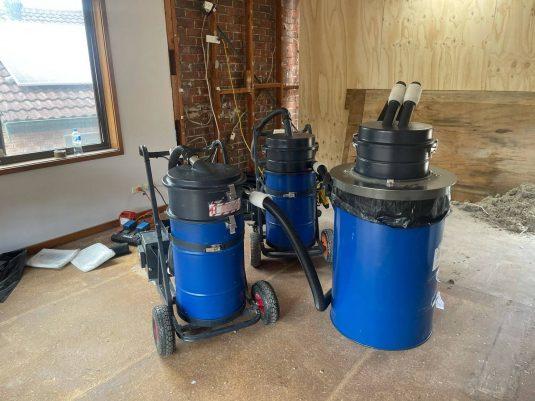
with regulatory standards. Industrial vacuums are one of the most effective
tools for silica dust mitigation. Unlike traditional cleaning methods such as
sweeping or blowing, industrial vacuums are designed to capture fine particles
at their source, preventing them from becoming airborne.
Key
Features of Industrial Vacuums for Silica Dust
- High-Efficiency Particulate Air
(HEPA) Filters
Industrial vacuums equipped with HEPA filters can capture 99.97% of
particles as small as 0.3 microns, effectively trapping silica dust and
ensuring cleaner air in the workplace.
- Powerful Suction These vacuums provide strong
suction capabilities to efficiently collect fine dust from surfaces,
tools, and equipment.
- Durable Construction Built to withstand the rigors
of industrial environments, these Industrial Cleaning Equipment
Texas are
made from robust materials that can handle heavy-duty use.
- Compliant with OSHA Standards Many industrial vacuums are
specifically designed to meet OSHA’s silica dust control requirements,
ensuring employers stay compliant with regulations.
Applications
of Industrial Vacuums
- Construction Sites: Removing dust generated during
cutting, grinding, and drilling of concrete and stone.
- Manufacturing Facilities: Capturing dust from machining,
polishing, and other production processes.
- Mining Operations: Reducing airborne dust levels
during excavation and processing activities.
- Renovation Projects: Controlling dust during
demolition, sanding, and remodeling tasks.
Best
Practices for Using Industrial Vacuums
1. Use
Vacuum Attachments on Tools
Attaching an
industrial vacuum directly to tools like grinders, saws, and drills can capture
silica dust at its source, preventing it from spreading into the air.
2.
Regular Maintenance of Vacuum Systems
To ensure
optimal performance, industrial vacuums should be regularly inspected and
maintained. This includes cleaning or replacing filters, checking for clogs,
and ensuring all components are functioning correctly.
3. Train
Workers on Proper Usage
Providing
comprehensive training to workers on the correct operation and maintenance of
industrial vacuums is essential for maximizing their effectiveness.
4.
Combine with Other Dust Control Measures
While
industrial vacuums are highly effective, they should be used in conjunction
with other measures like water suppression systems and personal protective
equipment (PPE) to provide comprehensive protection.
Conclusion
Silica dust poses a significant threat to worker health, leading to severe conditions like silicosis, lung cancer, and kidney disease. Implementing effective dust control measures is not just a regulatory requirement but a moral responsibility for employers. Vacuum Pump Services Texas play a crucial role in mitigating silica dust exposure, offering a powerful and efficient solution for maintaining a safe workplace. By investing in high-quality industrial vacuums and adhering to best practices, organizations can protect their workforce, improve air quality, and ensure compliance with safety standards.
Post Your Ad Here
Comments