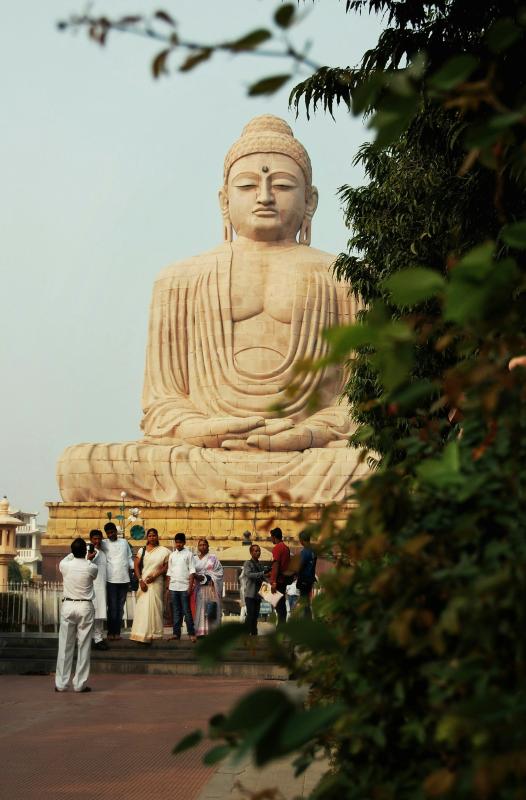
Bodh Gaya, located in the northeastern state of Bihar, India, is one of the most revered and sacred Buddhist sites in the world. It is the place where Siddhartha Gautama, the Buddha, achieved enlightenment under the Bodhi tree after meditating for 49 days. This small town, often considered the heart of the Buddhist world, draws millions of pilgrims and tourists each year, all eager to connect with the history, spirituality, and serenity of the place.
In this article, we explore how to reach Bodh Gaya, the best time to visit, things to do, and provide insights on local prices to help plan your trip to this spiritual destination.
How to Reach Bodh Gaya
Bodh Gaya is well connected by road, rail, and air, making it relatively accessible for both domestic and international travelers. Below are the various ways to reach this sacred town.
1. By Air
The nearest airport to Bodh Gaya is Gaya International Airport (GAY), located about 7 kilometers (4 miles) from the town center. Gaya Airport has both domestic and limited international connections. It is primarily connected to cities like Kolkata, Varanasi, and Delhi. The airport is small, but it provides convenient access to Bodh Gaya, especially for international visitors.
For travelers coming from other parts of India or abroad, the airport offers an easy connection to the town. The airport has taxis and private transport services available, which will take you to Bodh Gaya for around INR 300–500 (approximately $4–$6).
Alternatively, Patna Airport (PAT), about 110 kilometers (68 miles) away from Bodh Gaya, is another option for visitors. It has more extensive domestic and international flights and offers a wider variety of transport options to Bodh Gaya, such as buses and taxis, which can cost between INR 1,000–1,500 (approximately $13–$20).
2. By Train
Bodh Gaya is well connected by rail, with Gaya Junction (GAYA) being the nearest railway station. Gaya Junction is around 12 kilometers (7.5 miles) from Bodh Gaya and is connected to most major cities in India, including Delhi, Kolkata, Varanasi, and Patna. The station is served by several trains that run from cities like New Delhi, Patna, Varanasi, and Howrah.
Once you arrive at Gaya Junction, you can take a taxi or auto-rickshaw to reach Bodh Gaya. The cost of an auto-rickshaw ride to Bodh Gaya will typically range from INR 100–150 (approximately $1.50–$2), while taxis might cost INR 300–500 (around $4–$6).
3. By Bus
Bodh Gaya is well connected by a network of state-run and private buses from major cities in Bihar and neighboring states like Patna and Varanasi. The bus station in Bodh Gaya is located around 3 kilometers from the main temple complex. The bus fares vary depending on the type of bus (ordinary, deluxe, or luxury), but for an approximate idea, the cost can range from INR 150–500 ($2–$7), depending on the route and comfort level.
Best Time to Visit Bodh Gaya
The best time to visit Bodh Gaya is between October and March, which coincides with the cooler months of the year. During this period, the weather is pleasant, and you can enjoy the sacred atmosphere of the place comfortably.
1. Weather:
- Winter (October to March): This is the most favorable time to visit. The weather during these months is cool and pleasant, with daytime temperatures ranging between 15°C and 25°C (59°F to 77°F). The nights can be quite chilly, especially in December and January, with temperatures sometimes dropping to around 5°C (41°F). It’s ideal for sightseeing and outdoor activities.
- Summer (April to June): Summers in Bodh Gaya can be extremely hot, with temperatures often soaring above 40°C (104°F). The heat can be intense, making outdoor activities uncomfortable. However, this is also the off-season, so you may find fewer tourists, and hotel prices may be more affordable.
- Monsoon (July to September): The monsoon season brings heavy rainfall to the region, which may make outdoor activities challenging. The rains can also lead to flooding in some areas, and roads might become slippery. While the surroundings become lush and green, it is not the most ideal time for sightseeing.
2. Festivals:
- Buddha Jayanti (April/May): The celebration of the birth, enlightenment, and death of the Buddha is a major event in Bodh Gaya. Pilgrims gather from all over the world to participate in prayers, meditation, and offerings. The atmosphere is vibrant, and the temple complex is beautifully decorated.
- Lumbini Day (May): On the 15th of May, the day Buddha was born in Lumbini, Nepal, is observed by Buddhists worldwide. Bodh Gaya sees large crowds of pilgrims, and there are special prayers and rituals at the Mahabodhi Temple.
Things to Do in Bodh Gaya
Bodh Gaya offers a wealth of spiritual experiences for visitors. Here are some of the must-see attractions and activities you can indulge in during your visit.
1. Mahabodhi Temple
- The Mahabodhi Temple is the most important site in Bodh Gaya and a UNESCO World Heritage Site. This is the place where Buddha attained enlightenment. The temple houses a large Buddha statue and is surrounded by lush gardens and stupas. Pilgrims and visitors often spend time meditating here, walking around the temple, and offering prayers. The temple’s serene atmosphere makes it an ideal spot for reflection and spiritual rejuvenation.
2. Bodhi Tree
- The Bodhi Tree, under which Buddha meditated, is a symbol of wisdom and enlightenment. It is located near the Mahabodhi Temple and is considered one of the most sacred trees in the world. Pilgrims often sit under the tree to meditate and connect with Buddha's teachings. There are also several smaller trees around the site, each said to be a sapling from the original Bodhi Tree.
3. Great Buddha Statue
- The Great Buddha Statue, located in the nearby temple complex of Bihar Sharif, is an awe-inspiring 80-foot (24 meters) statue. It depicts Buddha seated in the meditative posture, and visitors often come here to take photographs, meditate, or simply admire the impressive structure.
4. Monasteries and Temples
- Bodh Gaya is home to numerous Buddhist monasteries and temples built by countries such as Japan, Thailand, Sri Lanka, Nepal, and Tibet. Each monastery has its unique architectural style and spiritual significance. The Thai Monastery and the Japanese Temple are particularly popular for their stunning design and peaceful surroundings.
5. Meditation and Vipassana Centers
- Bodh Gaya is a hub for meditation and spiritual retreats. Several centers offer meditation courses, Vipassana retreats, and teachings on Buddhist philosophy. The Bodh Gaya Vipassana Centre and Tushita Meditation Centre are some of the well-known centers where visitors can learn about meditation, mindfulness, and Buddhist teachings. These retreats range from a few days to several weeks, offering travelers a chance to deepen their spiritual practice.
6. Niranjana River
- The Niranjana River holds great spiritual significance as it is said to be the river Buddha crossed on his way to Bodh Gaya. Visitors often come to the river to offer prayers and reflect by the peaceful waters. It’s a serene spot for a quiet moment of contemplation, and some may take a short boat ride across the river to enjoy the natural surroundings.
7. Shopping and Souvenirs
- Bodh Gaya has a number of small shops and markets where you can buy Buddhist artifacts, statues, prayer beads, incense, and books on Buddhism. The Tibetan Market is a good place to buy souvenirs and handmade items. Bargaining is common in these markets, so make sure to negotiate prices.
Prices and Budgeting for Your Trip
Accommodation: Bodh Gaya offers a wide range of accommodations, from budget guesthouses to more luxurious hotels. The cost of staying in Bodh Gaya can vary significantly:
- Budget: INR 500–1,500 per night (approx. $7–$20).
- Mid-range: INR 2,000–5,000 per night (approx. $25–$60).
- Luxury: INR 6,000–10,000 per night (approx. $75–$120).
Meals: Local eateries and restaurants serve affordable food, with a typical meal costing:
- Street food or local restaurants: INR 100–300 per meal (approx. $1–$4).
- Mid-range restaurants: INR 500–1,000 per meal (approx. $6–$12).
- High-end restaurants: INR 1,500–3,000 per meal (approx. $20–$40).
Transportation: Taxis, rickshaws, and buses are the primary modes of transport in Bodh Gaya. Typical fares include:
- Rickshaw: INR 50–150 (approx. $1–$2).
- Taxi: INR 300–500 (approx. $4–$6) for a short ride.
Conclusion
Bodh Gaya is a truly transformative destination for anyone interested in Buddhism, meditation, or spiritual exploration. Whether you’re a pilgrim on a spiritual journey or a traveler looking for a deeper connection with history and culture, this sacred site offers something for everyone. By planning your trip according to the right season and understanding the local customs and offerings, you can ensure a memorable and enriching experience in one of the world’s most revered spiritual destinations.
Contact Us : Bodh Gaya Tour Packages
Comments