1. Bodh Gaya, India – The Birthplace of Buddha's Enlightenment
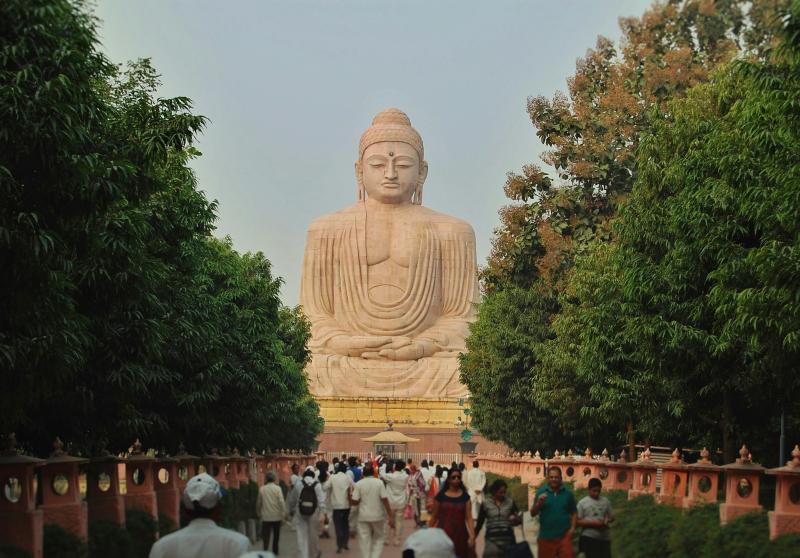
Bodh Gaya, located in the Indian state of Bihar, is one of the holiest sites for Buddhists worldwide. This is the place where Siddhartha Gautama, who became the Buddha, attained enlightenment under the Bodhi tree after meditating for 49 days. The Mahabodhi Temple, a UNESCO World Heritage Site, marks the spot of his enlightenment and is a focal point for Buddhists on pilgrimage.
Visitors to Bodh Gaya can meditate under the Bodhi tree, just as Buddha did, and engage in reflection and prayer at the temple. The site is also home to several monasteries and shrines built by various Buddhist countries, each offering a unique spiritual atmosphere. Bodh Gaya serves as a powerful reminder of the potential for spiritual awakening and personal transformation.
Read About Oldest City In World- Varanasi
2. Mount Kailash, Tibet – The Sacred Peak of Hinduism, Buddhism, Jainism, and Bon
Mount Kailash, located in the remote Tibetan plateau, is considered one of the most sacred mountains in the world. Revered by Hindus, Buddhists, Jains, and followers of the Bon religion, Mount Kailash is believed to be the abode of Lord Shiva in Hinduism, and in Tibetan Buddhism, it is associated with the spiritual center of the universe.
The mountain is not only a site of pilgrimage but also a destination for the revered Kailash Mansarovar Yatra, a trek that spans several days and involves circumnavigating the mountain (known as the “kora”). This 32-mile trek is said to purify the soul, bringing blessings and liberation. While climbing the mountain is considered taboo, walking the circuit around it is a deeply spiritual experience, drawing pilgrims from across Asia seeking divine blessings and enlightenment.
3. Shwedagon Pagoda, Myanmar – The Golden Buddhist Sanctuary
The Shwedagon Pagoda in Yangon, Myanmar, is one of the most iconic and sacred Buddhist sites in Southeast Asia. Standing at over 99 meters (325 feet), the golden stupa is a symbol of Myanmar’s devotion to Buddhism. Believed to house relics of the Buddha, including his hair and other sacred objects, the pagoda attracts thousands of pilgrims each year.
The atmosphere at Shwedagon is one of serenity and reverence, with visitors often walking around the stupa while offering prayers, incense, and flowers. The complex also includes numerous smaller stupas and shrines dedicated to various Buddhas, and it is considered a place where one can deepen their connection to the Buddha and the teachings of Dharma.
4. Angkor Wat, Cambodia – The Heart of Khmer Spirituality
Angkor Wat, located in Cambodia, is one of the largest and most impressive temple complexes in the world. Originally constructed in the 12th century as a Hindu temple dedicated to the god Vishnu, it later became a Buddhist site. As a UNESCO World Heritage Site, Angkor Wat is famous for its grand architecture, intricate carvings, and the profound sense of spiritual energy that emanates from its walls.
Pilgrims and tourists alike come to explore its vast temple complex, with its intricate bas-reliefs depicting Hindu and Buddhist deities and legends. The atmosphere here is rich in spiritual history, and walking among the ruins offers a chance to reflect on the impermanence of human creation and the enduring power of spiritual devotion. The temples of Angkor, particularly Angkor Wat, remain a place of pilgrimage for Buddhists in Southeast Asia.
5. Taoist Temples in Wudang Mountains, China – The Heart of Taoism
The Wudang Mountains, located in the Hubei province of China, are the birthplace of Taoism and home to some of the most important Taoist temples in the world. Known for their natural beauty and the deep spiritual energy that permeates the area, the Wudang Mountains are particularly famous for their role in martial arts, especially Tai Chi, which is said to have originated here.
The mountains are dotted with ancient temples, monasteries, and Taoist shrines, including the magnificent Golden Hall. Pilgrims and visitors come to the Wudang Mountains not only to meditate and connect with the teachings of Taoism but also to learn about Taoist practices, such as traditional Chinese medicine and martial arts. The Wudang Mountains represent a synthesis of nature, spirituality, and physical discipline, making it a powerful destination for those seeking balance and inner peace.
6. Kiyomizu-dera Temple, Japan – A Shinto and Buddhist Fusion of Spirituality
Kiyomizu-dera, located in Kyoto, Japan, is one of the most iconic Buddhist temples in the country. The temple is dedicated to Kannon, the Buddhist goddess of mercy, and is known for its stunning architecture, especially its large wooden stage that juts out over a hillside, offering breathtaking views of the city and surrounding nature. The name "Kiyomizu" translates to "pure water," and the temple is built near the Otawa Waterfall, where visitors can drink from three streams, believed to have healing powers.
Kiyomizu-dera, like many temples in Japan, represents a unique fusion of Shinto and Buddhist traditions. Pilgrims and tourists alike visit for spiritual reflection, prayer, and to enjoy the surrounding gardens and natural beauty. The temple’s vibrant colors during cherry blossom season and autumn leaves make it an especially popular destination for spiritual seekers seeking connection with both nature and the divine.
7. Tirthankara Temples of Mount Abu, India – Jainism’s Sacred Destination
Mount Abu, located in the Rajasthan state of India, is the only hill station in the desert region and a sacred site for Jains. The Dilwara Temples, dedicated to the Tirthankaras (spiritual teachers in Jainism), are among the most remarkable examples of Jain architecture. These temples, built between the 11th and 13th centuries, are renowned for their intricate marble carvings and stunning frescoes.
The serene atmosphere of Mount Abu, coupled with the spiritual significance of the temples, makes it an ideal destination for those looking to explore Jainism’s teachings of non-violence (ahimsa), truth, and self-purification. The temples offer a peaceful retreat for meditation, reflection, and devotion, and the area is also a place of natural beauty, perfect for contemplation and spiritual renewal.
8. The Temple of the Tooth, Sri Lanka – The Sacred Relic of the Buddha
Located in the royal capital of Kandy, Sri Lanka, the Temple of the Tooth (Sri Dalada Maligawa) is one of the most sacred Buddhist sites in the world. It is believed to house a tooth relic of the Buddha, which has been venerated for centuries as a symbol of the Buddha's presence. The temple is a center of spiritual activity, especially during the annual Esala Perahera festival, when the tooth relic is paraded around the city.
Visitors to the Temple of the Tooth can engage in rituals, prayers, and meditation, connecting with the Buddhist heritage of Sri Lanka. The temple complex is surrounded by a beautiful lake and lush gardens, making it a serene place for spiritual seekers to reflect on the nature of wisdom, compassion, and the teachings of the Buddha.
Conclusion
Asia is home to some of the most sacred and spiritually charged destinations on earth. From the sacred Buddhist sites of Bodh Gaya and Angkor Wat to the Taoist temples in the Wudang Mountains, each place offers a unique journey into the heart of spiritual practices that have shaped human history. These destinations continue to attract pilgrims and seekers from across the world, offering spaces for reflection, devotion, and a deeper understanding of the divine. Whether through meditation, pilgrimage, or simply being present in these sacred landscapes, Asia remains a place where the spiritual and the earthly come together, providing profound experiences that transcend time and place.
Comments