How As-Built Drawings Improve Communication Between Stakeholders
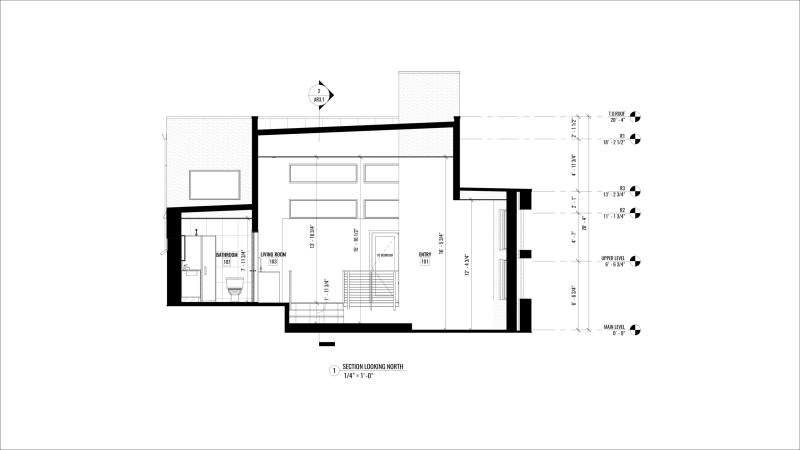
In the construction industry, creating accurate as-built drawings is extremely important. These documents make an accurate record of the precise measurements and characteristics of a finished building, helping to ensure compliance and informing future restorations.

What Are As-Built Drawings?
As-built drawings provide the most accurate, up-to-date documentation of a construction project exactly how it finished at completion. These documents, often called as-built drawings or record drawings, portray the final state of a project, with all alterations made during the construction process. Unlike design drawings, which outline the initial plans, and shop drawings that detail specific components, as-built drawings provide a comprehensive snapshot of what exists after all modifications.
Key Stakeholders in a Construction Project
A construction project brings together several players, each with their own responsibilities and needs. Without accurate and up-to-date documentation, miscommunication becomes inevitable. That’s where as-built drawings step in to keep everyone aligned.
- Architects need accurate data to validate their designs. They use as-built drawings to see exactly how their plans translate to the real world. Without this, they’re left guessing about changes made during construction, which creates challenges when revisions or future designs are needed.
- Contractors rely on precise as-builts to deliver the project as planned. These drawings help them understand what’s been built versus what was originally designed. If documentation is missing or outdated, errors happen. That leads to delays, confusion, and costly rework.
- For engineers, real-world data is critical. Whether they’re solving structural issues or making adjustments on-site, as-built drawings provide clarity. Without accurate information, they risk designing solutions that don’t align with the project’s actual conditions.
- Clients and property owners use as-built drawings for maintenance, future upgrades, or even legal documentation. Imagine trying to remodel or sell a building without knowing what’s actually there—it’s a headache. As-builts give them a reliable record, saving time and money down the line.
Without clear, up-to-date as-built drawings, communication between these stakeholders breaks down. Architects don’t know what’s changed. Contractors hit unexpected issues. Engineers are left without the right data. And owners are stuck with incomplete records.
As-built drawings eliminate these problems. They ensure every stakeholder has the same information, creating smoother workflows, fewer errors, and better results.

How As-Built Drawings Improve Communication
- Ensures Everyone Is on the Same Page. Using digital tools, when a contractor updates drawings, the stakeholders get instant visibility. They’re able to witness the changes in real-time. This access available ensures that everyone is on the same page, minimizing the chance of miscommunication.
- Streamlines Project Handover. The changeover from construction to operation can be a much smoother process when as-built drawings are properly prepared. These documents are the best, most complete record, showing what was built on the project down to the smallest detail.
- Reduces Errors and Rework. By documenting each modification and nuance, these drawings eliminate confusion that can arise from obsolete or inaccurate data.
- Provides a Single Source of Truth. This is the only way to create a unified, accurate, and dependable source of information that is essential for informed decision-making, planning, and project delivery.
- Enhances Client Confidence. When clients are provided with clear, comprehensive as-built drawings, it builds their confidence. These drawings provide the best perspective of the end product, allowing clients to visualize the finished project and instill confidence in its quality.
Post Your Ad Here