Threaded vs Tapered Drill Chuck Arbors: Which One is Right for Your Project?
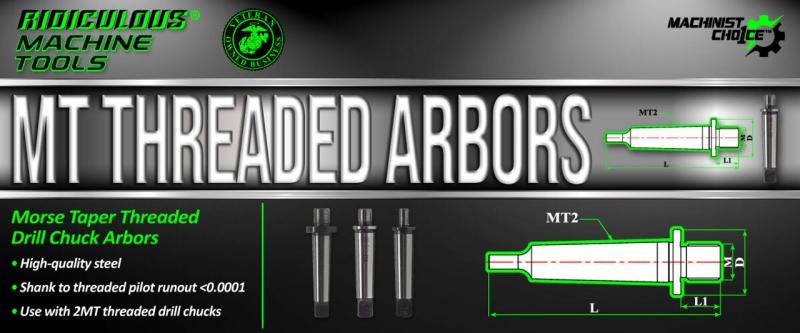
Are you struggling with a
drill chuck that is difficult to install and remove? This is a common problem
faced by machinists when choosing the right drill chuck arbor. Whether you are
using a Threaded
Drill Chuck Arbor or a tapered arbor, choosing the
wrong type can result in tool slippage, vibration or frustrating delays in
switching out components.
First you need to
understand the differences between threaded and tapered drill chuck arbors
which can help you avoid these issues and improve the efficiency of your
drilling and milling tasks. Let’s discuss about it in detail:
Threaded Arbor
A threaded arbor is one of
the most common types used in drilling applications. This arbor features
external threads that mate with matching internal threads on the drill chuck.
This threaded design creates a secure, stable connection, which is perfect for
tasks where quick setup and teardown are essential.
Threaded drill chuck arbors
are versatile, as they can be used with various types of drill chucks and allow
for easy removal and replacement. The simplicity of the design makes it easy to
switch out tools without needing specialized equipment or tools.
Threaded arbor is best for general-purpose drilling, tapping, and light
milling applications. The connection is firm and reliable, and it is easy to
ensure the chuck is properly tightened. But in cases where extremely high
torque or precision is required, a threaded drill chuck arbor may not offer the
same level of security as a tapered arbor.
Tapered Arbor
A tapered arbor works
differently than a threaded arbor. Rather than relying on threads to secure the
chuck, a tapered arbor uses a conical shape that fits into a matching tapered
hole in the spindle.
The self-locking nature of
this design makes it suitable for high-torque applications, as the fit becomes
tighter the more force is applied. This feature is perfect for heavy-duty
drilling and milling tasks that demand a strong, vibration-resistant
connection.
The key advantage of a
tapered arbor is its ability to maintain alignment and precision under heavy
use. This makes it a preferred choice for more demanding applications where
tool slippage could result in inaccuracies or safety risks.
Tapered drill chuck arbors
can be more difficult to remove or replace compared to threaded ones, as they
require tapping or pulling to disconnect.
Final Thoughts
Both threaded arbor and
tapered drill chuck arbor designs offer unique advantages based on the needs of
your operation. Threaded
Arbor provides ease of use, flexibility, and quick tool
changes which makes them perfect for general-purpose drilling.
On the other hand, tapered
arbors excel in heavy-duty applications where precision and high torque are
important. Understanding these differences can help you select the right arbor
type for your specific tasks that ensures better performance.
For more detail, please visit our website: https://ridiculousmachinetools.com/
Post Your Ad Here
Comments