Ways to Reduce Downtime in Manufacturing
Downtime in manufacturing isn’t just a minor
inconvenience. It is a productivity killer that impacts your bottom line.
Whether it is scheduled maintenance or an unexpected halt, every minute of
downtime costs you money. So, how can you minimize these interruptions and keep
your operations running smoothly? Here listed are some practical strategies
that can make a significant difference.
Track Downtime Efficiently
Start by implementing a robust downtime tracking system.
This software collects vital data on why, when, and how long processes are
down. Track metrics such as:
Duration:
How long was the downtime?
Cause:
What triggered it?
Process Area: Which part of the operation was affected?
Collecting this data helps pinpoint recurring issues and
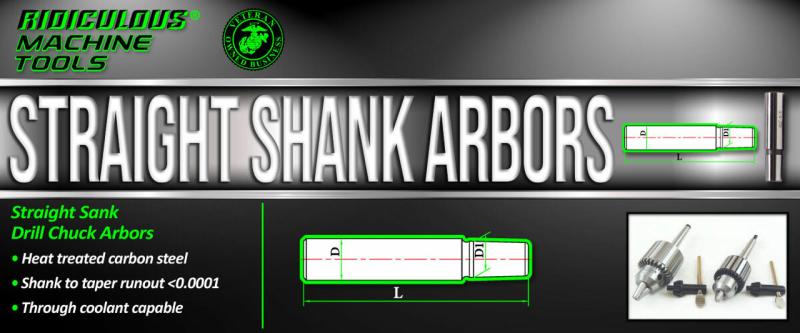
develop targeted solutions. Using Straight
Shank Arbors can streamline the setup process in
manufacturing operations, reducing the time spent on tool changes. With
automated systems, you can ensure data consistency and get real-time insights
to act swiftly.
Monitor Production in Real-Time
Keeping a close eye on production can help prevent
downtime before it starts. Use real-time dashboards to visualize process trends
and quality data. Alarms and alerts can signal potential problems, allowing
operators to address them before they escalate into major issues. Think of
these tools as your early warning system. They help catch problems early and
keep your production line moving.
Implement a Preventative Maintenance Schedule
An ounce of prevention is worth a pound of cure,
especially in manufacturing. Create and adhere to a preventative maintenance
schedule for routine tasks like inspections, lubrication, and part
replacements. Planned downtime for maintenance is less disruptive and can be
scheduled during off-peak hours, making it a manageable part of your operation.
Apply DMAIC Analysis
For a structured approach, the DMAIC process must be
applied. This method helps you systematically address downtime. For instance,
take Arbors
for threaded drill chucks. It enhances the reliability
of drilling operations, allowing for quicker adjustments and fewer disruptions.
Using this analysis, you will,
- Define: Identify what constitutes
downtime and list potential causes.
- Measure: Track and record downtime
events.
- Analyze: Use data to find the most
significant issues affecting uptime.
- Improve: Implement changes to
address root causes.
- Control: Monitor results to ensure
improvements are sustained.
Following these steps can refine your processes and continuously
improve your downtime management.
Final words
Reducing downtime requires a proactive and data-driven
approach. Implement these strategies and watch your efficiency and your bottom
line improve. Start with these steps today and experience the difference in
your manufacturing performance.
For more detail, please visit our website: https://ridiculousmachinetools.com/

Post Your Ad Here
Comments