Protecting Your Home from Lightning: Why It’s Important and How to Safeguard Your Property
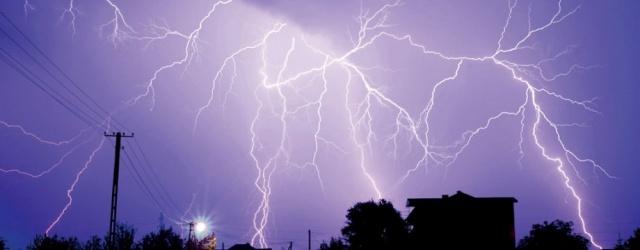
Lightning strikes are powerful, unpredictable natural events that can cause serious damage to homes and pose significant risks to personal safety. While they can occur anywhere, homes, especially those located in areas prone to thunderstorms, are particularly vulnerable to lightning-related damage. Fortunately, there are effective ways to protect your home and minimize the risks of a lightning strike, including the installation of protective devices like cathode arresters.
Why It’s Important to Protect Yourself from Lightning
Lightning is not just a striking force of nature but a serious threat that can cause fires, electrical damage, and even fatalities. Here’s why it’s critical to safeguard your home:
Fire Hazards: One of the most common dangers associated with lightning strikes is fire. A direct strike to a building can ignite flammable materials, leading to a fire that can rapidly spread and cause substantial damage. Lightning can also cause power surges that may ignite electrical wiring or appliances.
Electrical Surges and Damage: When lightning strikes, the electrical energy can travel through power lines, plumbing, or wiring, causing power surges that damage electrical devices and appliances. These surges can render sensitive equipment such as computers, refrigerators, and televisions inoperable.
Structural Damage: A direct lightning strike can cause physical damage to a home, including cracks in walls, ceilings, and the foundation. The extreme heat generated by lightning can cause concrete or masonry to crack, while the shockwave can lead to structural instability.
Personal Safety: Lightning strikes can cause serious injuries or fatalities if people are caught in the path of a strike. A direct strike or being near conductive materials (like metal) during a storm increases the risk of injury.
Loss of Data: For those working from home or using electronic equipment regularly, lightning-induced surges can destroy important data stored on computers, hard drives, or other electronic devices.
Devices to Protect Your Home from Lightning
Several devices and protective measures can help shield your home from the destructive power of lightning. These include:
Surge Protectors: Surge protectors are one of the simplest and most effective tools for protecting your electronics and appliances from lightning-related power surges. These devices divert excess electrical energy away from your electronics to prevent damage. It’s important to use high-quality surge protectors, particularly for sensitive devices like computers, TVs, and routers.
- Whole-House Surge Protector: For comprehensive protection, a whole-house surge protector can be installed by a licensed electrician at your electrical panel. This device protects all electrical systems and appliances within your home from power surges caused by lightning strikes.
Lightning Rods: A lightning rod is a pointed metal rod that is installed at the highest point of your home, typically on the roof. The lightning rod is connected to the ground via a conductor, which allows the lightning to travel through the rod and into the ground, safely dissipating the electrical charge and preventing damage to the building.
- Grounding System: For the lightning rod to be effective, it must be part of a well-installed grounding system. This ensures that the electrical energy from a lightning strike is safely diverted into the earth.
Cathode Arresters: A cathode arrester is a type of surge protection device designed to protect electrical systems from lightning-induced surges and spikes. It is commonly used in communication and power transmission systems but can also be installed in homes.
How It Works: A cathode arrester operates by using a combination of a cathode (negative electrode) and a high-voltage arc suppression system to divert the excess voltage from a lightning strike away from electrical circuits. When a high-voltage surge from lightning is detected, the arrester “clamps” or diverts the energy, preventing it from damaging electrical components in your home.
Effectiveness: Cathode arresters are particularly useful for protecting sensitive electronic equipment, including those connected to communication lines (e.g., telephone lines or cable systems). They provide an additional layer of defense when used in conjunction with other surge protectors and grounding systems.
Surge Protection for Telephone and Cable Lines: Telephone lines, cable TV lines, and internet connections are often overlooked in lightning protection, but they can conduct surge energy into your home just like power lines. Installing surge protectors on these lines ensures that lightning-induced electrical surges do not travel into your home through these connections, thereby protecting your electronics and appliances.
Grounding and Bonding Systems: Grounding and bonding systems are critical in ensuring the safety of your home’s electrical system during a lightning strike. Proper grounding ensures that electrical surges are safely directed into the earth, while bonding connects all metallic systems (plumbing, electrical wiring, gas lines) to the ground, preventing dangerous electrical discharges. A properly grounded home reduces the risk of injury or fire caused by electrical surges from lightning strikes.
Other Lightning Safety Tips for the Home
While the right devices can significantly reduce the risk of lightning-related damage, there are other safety precautions you should take during a storm:
Avoid Using Electronics During a Storm: When thunderstorms are in the area, unplug sensitive electronics, such as computers, televisions, and appliances. Power surges caused by lightning can damage these devices even if they are connected to surge protectors.
Stay Indoors and Away from Windows: During a lightning storm, stay inside and avoid touching anything that conducts electricity, such as plumbing, wiring, or metal appliances. Stay away from windows to reduce the risk of injury from flying debris or glass.
Install a Lightning Detection System: Some homeowners install lightning detection systems that provide real-time alerts about nearby lightning strikes. These systems can give you advance warning, so you can take precautions ahead of time.
Keep Trees Trimmed: Lightning strikes are more likely to hit tall, isolated trees. If you have large trees near your home, make sure they are trimmed regularly to reduce the likelihood of a lightning strike causing damage to your roof or walls.
Conclusion
Protecting your home from lightning is not just about minimizing property damage—it’s also about ensuring the safety of your loved ones and your belongings. Lightning strikes can cause devastating fires, electrical surges, and structural damage, but with the right protective measures, you can significantly reduce the risks. Devices such as surge protectors, lightning rods, and cathode arresters work together to safeguard your home from the destructive forces of nature. Regular maintenance of these systems and taking the necessary precautions during storms can provide peace of mind and ensure that your home remains safe during even the most intense lightning events.


Post Your Ad Here
Comments