In the world of craftsmanship, whether you're a seasoned professional or a budding DIY enthusiast, the tools you use can make or break your projects. The right equipment ensures not only precision and quality but also efficiency and safety. While there are countless tools out there designed for different crafts and trades, some tools are universally essential for almost any task. Among these, the precision level stands out as one of the most critical tools every craftsman should have.
1. What is a Precision Level?
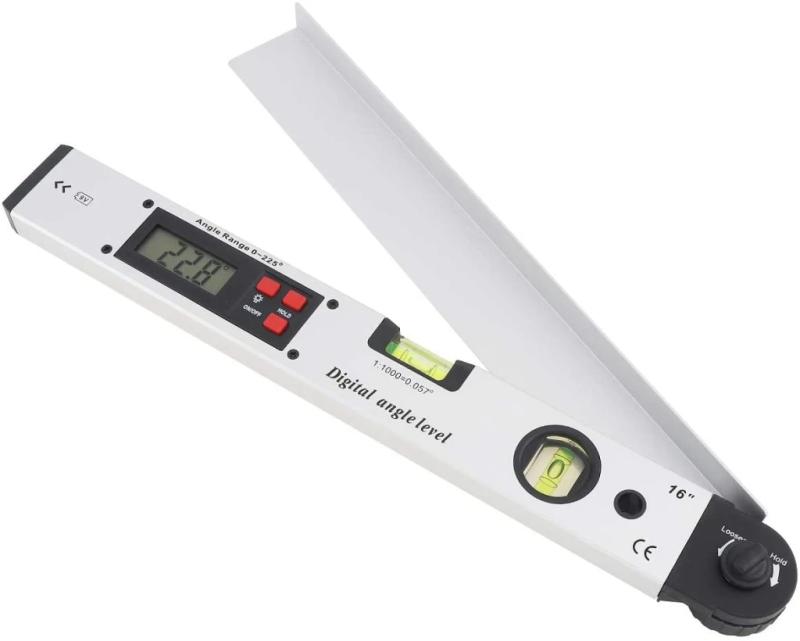
A precision level, often simply called a "spirit level," is a tool used to check surfaces or alignments to ensure they are perfectly horizontal (level) or vertical (plumb). The tool consists of a sealed tube containing a liquid and a small air bubble. The tube is mounted within a frame, which typically includes one or more vials that are calibrated to indicate the precise angle of the surface being measured.
Key Features:
- Bubble Vials: The most common feature of a level is its vial, a small glass tube containing liquid with an air bubble inside. The vial has graduated marks, and when the bubble is centered between them, it indicates that the surface is level or plumb.
- Materials: Most precision levels are made from aluminum, steel, or plastic, with the highest-quality ones being machined to provide accuracy down to fractions of a millimeter.
- Types: Precision levels come in various forms, such as small pocket-sized models, larger contractor-grade levels, and specialized levels for specific applications (e.g., carpenter levels or torpedo levels).
The precision level is an indispensable tool across a variety of tasks in construction, carpentry, plumbing, and other trades. Here’s a breakdown of its main uses:
- Ensuring Surface Accuracy: Whether you're building furniture, laying tiles, or installing countertops, a precision level helps to ensure that surfaces are level, which is crucial for both functionality and aesthetics.
- Plumbing Installations: Plumbers rely heavily on levels to ensure that pipes and drains are perfectly aligned for efficient water flow and to prevent clogs or backups.
- Framing and Construction: When constructing buildings, framing walls, or installing beams, a precision level helps maintain verticality (plumb) and horizontal alignment (level) throughout the process.
- Cabinet and Shelf Installations: Installing cabinets or shelves requires careful alignment. A precision level ensures that they are hung evenly and securely, preventing future shifts or tilting.
- Flooring and Tiling: When laying tiles or floors, a level ensures that the surface is smooth and even, preventing uneven wear or cracked tiles.
- Fine Woodworking: Woodworkers use precision levels to create perfect joins, edges, and finishings in their workpieces.
3. Why Precision Matters in Everyday Life
The importance of the precision level goes beyond simply ensuring that things are aligned—it also affects the quality, durability, and safety of projects. Here’s why precision is paramount:
- Safety and Stability: In construction and carpentry, a project that is off-level can lead to instability, which poses risks to both people and property. For example, an off-kilter shelf may collapse, or a misaligned door may not close properly, leading to wear and malfunction. Ensuring that everything is level from the start prevents these safety hazards.
- Aesthetic Appeal: In both fine woodworking and general construction, aesthetic precision is important. A perfectly level surface gives a professional finish to any project, while uneven surfaces can be unsightly and detract from the overall appearance.
- Longevity and Functionality: Whether installing flooring or fitting windows, precision ensures the longevity and smooth operation of your work. Uneven floors, for example, could lead to long-term damage to furniture, or cause excessive wear on shoes and tires.
- Time and Cost Efficiency: Accurate leveling reduces the need for rework, saving both time and money. In construction, delays due to misaligned work can be costly and wasteful. By using a precision level, you prevent costly mistakes and ensure that everything is done right the first time.
4. How to Use a Precision Level
Using a precision level is relatively simple, but there are a few tips to ensure accurate results:
- Place the Level Properly: For horizontal measurements, place the level along the surface you are checking, ensuring it is fully in contact with the object. For vertical measurements, place it against the edge of the surface.
- Check the Bubble: Look at the bubble inside the vial. For a surface to be level, the bubble must sit exactly between the two calibration lines. For plumb (vertical) surfaces, the bubble should align with the center of the vial.
- Use Multiple Vials: Many precision levels feature multiple vials positioned at 90-degree angles to one another (horizontal and vertical). Use these to check both the horizontal and vertical alignments of a surface or structure.
- Level on Both Sides: Always check your work from different angles to ensure that the surface or alignment is accurate. A level should be tested from at least two directions to avoid errors.
5. The Importance of Regular Calibration
Over time, the vial in a level can become misaligned, which will affect its accuracy. This is why calibration is crucial. Regularly checking and recalibrating your level ensures that it remains precise and reliable, thus preventing errors that could compromise the quality of your work. Some high-end levels offer a self-calibrating feature, but manual checks and adjustments should be performed regularly for best results.
Conclusion
The precision level is an essential tool that every craftsman—whether a carpenter, plumber, or builder—should have in their toolkit. It provides the critical accuracy needed for a wide range of projects, ensuring safety, functionality, and aesthetic appeal. By understanding how to properly use and maintain a level, and recognizing its significance in everyday life, craftsmen can ensure that their work is of the highest standard, offering both value and lasting quality.


Comments