The Role of Domestic Fuel Suppliers in Supporting Rural Communities in the United Kingdom
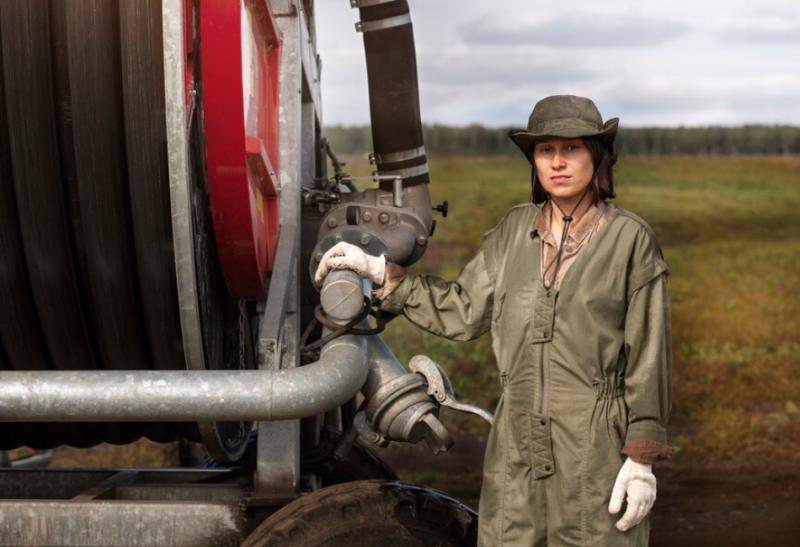
Rural communities across the United Kingdom have long been at the heart of the nation’s cultural and economic identity. These regions are known for their agricultural productivity, small-scale businesses, and close-knit communities. However, their relative remoteness often presents unique challenges, particularly in terms of access to essential services such as domestic fuel. Domestic fuel suppliers play a crucial role in not only ensuring that rural households and businesses have access to reliable energy sources but also in supporting the broader socio-economic framework of these areas.
Ensuring Reliable Energy Supply
One of the primary roles of domestic fuel suppliers is guaranteeing a consistent and reliable energy supply. Unlike urban areas where natural gas pipelines are widespread, many rural homes and businesses rely on alternative energy sources such as heating oil, liquefied petroleum gas (LPG), and solid fuels like coal or wood pellets. Domestic fuel suppliers bridge this gap by delivering these essential fuels directly to rural properties, ensuring that households remain warm and functional, particularly during the harsh UK winters.
Rural areas often experience unpredictable weather patterns, making the timely delivery of fuel crucial. Fuel suppliers operating in these regions understand the local terrain and weather conditions, allowing them to navigate challenges and maintain consistent service levels. This reliability helps prevent disruptions, ensuring that rural residents have the heating and energy resources they need to maintain a comfortable and safe living environment.
Supporting Agricultural and Local Businesses
Agriculture is a cornerstone of many rural UK economies, and domestic fuel suppliers play a pivotal role in supporting this sector. Farms require fuel for a variety of operations, including powering machinery, heating livestock facilities, and running irrigation systems. Diesel, heating oil, and other fuels provided by suppliers are essential to the day-to-day functioning of these agricultural enterprises.
In addition to agriculture, many rural communities are home to small businesses that depend on a steady energy supply to operate. From local shops and pubs to bed-and-breakfast establishments and artisan workshops, the availability of domestic fuel ensures these businesses can thrive. By supporting local enterprises, fuel suppliers contribute to the economic vitality and sustainability of rural communities.
Creating Employment Opportunities
Domestic fuel suppliers also contribute to rural employment, both directly and indirectly. Many fuel delivery companies employ local residents for various roles, including drivers, customer service representatives, and maintenance technicians. These jobs provide stable employment opportunities within rural areas, reducing the need for residents to seek work in urban centres.
Additionally, by supporting local agricultural and business activities, fuel suppliers indirectly help maintain jobs in sectors that rely on their services. For example, a farm that receives consistent fuel deliveries can maintain its operations year-round, ensuring that farmworkers remain employed throughout the seasons.
Enhancing Community Resilience
Community resilience refers to the ability of a community to adapt and thrive in the face of challenges, such as economic downturns or extreme weather events. Domestic fuel suppliers play a significant role in enhancing the resilience of rural communities by providing essential energy resources that enable households and businesses to weather these challenges.
For instance, during prolonged cold spells, fuel suppliers often prioritise vulnerable households, such as those with elderly residents or young children, ensuring they receive prompt deliveries. This proactive approach helps mitigate the risks associated with fuel shortages, safeguarding the health and well-being of rural residents.
Moreover, many fuel suppliers offer flexible payment plans, bulk buying discounts, and loyalty schemes tailored to the needs of rural customers. These initiatives help make energy more affordable, reducing financial strain on households and contributing to overall community stability.
Promoting Sustainable Energy Solutions
As the UK moves towards a greener and more sustainable energy future, domestic fuel suppliers are increasingly playing a role in promoting and delivering eco-friendly fuel options. Biofuels, such as Hydrotreated Vegetable Oil (HVO) and biomass fuels like wood pellets, are becoming more prevalent in rural areas as alternatives to traditional fossil fuels.
Fuel suppliers that offer these sustainable options are helping rural communities reduce their carbon footprint while still meeting their energy needs. By educating customers about the benefits of greener fuels and providing guidance on transitioning to these alternatives, suppliers contribute to broader national and global sustainability goals.
Strengthening Local Infrastructure
The presence of domestic fuel suppliers in rural areas often leads to the development and maintenance of critical local infrastructure. Fuel delivery companies frequently invest in upgrading roads and transport networks to ensure efficient and safe delivery routes. This infrastructure development benefits not only the fuel industry but also the wider community, improving access for emergency services, local businesses, and residents.
Furthermore, some fuel suppliers collaborate with local authorities and community organisations to implement initiatives that enhance energy security, such as establishing fuel storage facilities or emergency supply networks. These efforts strengthen the overall infrastructure and preparedness of rural communities, making them more self-sufficient and less reliant on external support.
Fostering Strong Community Relationships
Domestic fuel suppliers often establish deep-rooted relationships within the rural communities they serve. Unlike large, impersonal energy providers, local fuel suppliers typically engage directly with their customers, fostering trust and a sense of community. This personalised service approach helps suppliers understand the unique needs and challenges of their customers, enabling them to offer tailored solutions and responsive support.
Many suppliers also participate in local events, sponsor community initiatives, and support charitable causes, further embedding themselves in the fabric of rural life. These contributions go beyond mere business transactions, demonstrating a genuine commitment to the well-being and prosperity of rural communities.
Addressing Energy Poverty
Energy poverty remains a significant issue in some rural areas, where households struggle to afford adequate heating and energy. Domestic fuel suppliers play a crucial role in addressing this challenge by offering affordable fuel options and working with local authorities to support fuel assistance programmes.
By providing competitive pricing, flexible payment options, and energy efficiency advice, suppliers help reduce the burden of high energy costs on rural households. Their efforts contribute to alleviating energy poverty, ensuring that more residents can access the energy they need to lead healthy and comfortable lives.
Conclusion
The role of domestic fuel suppliers in supporting rural communities in the United Kingdom extends far beyond fuel delivery. They are vital partners in ensuring energy security, supporting local economies, fostering community resilience, and promoting sustainable energy solutions. Through their unwavering commitment to meeting the unique needs of rural areas, domestic fuel suppliers contribute significantly to the well-being and prosperity of these communities, helping them thrive in an ever-changing world.
By recognising and appreciating the indispensable role of these suppliers, rural residents and policymakers alike can continue to strengthen and support the partnerships that sustain the UK’s rural heartlands.
Post Your Ad Here
Comments