FAQs About Acrylic: What Customers Often Ask Suppliers
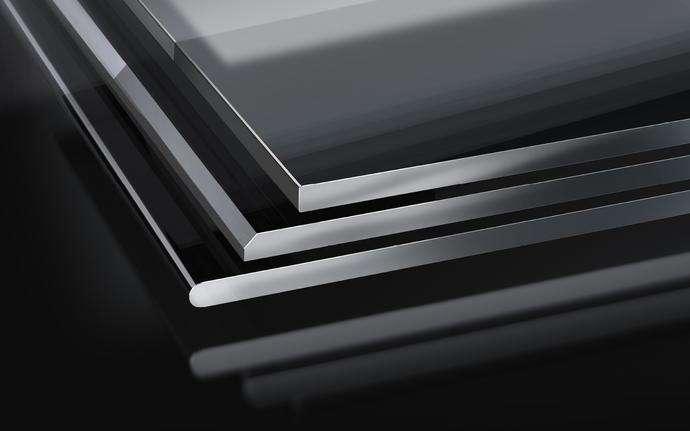
Because of its strength, weight, and clarity, acrylic is a material that will be utilized in many sectors. For uses like protective barriers and signs, it is a great substitute for glass. Manufacturers and customers must remember the subtleties of acrylic to form well-informed decisions regarding its usage and maintenance. Responding to consumer questions on its robustness, resistance to UV rays, and ease of manufacture can improve customer happiness and educate people about its advantages and drawbacks. By addressing these issues, this text hopes to enable readers to make informed decisions.
What is Acrylic?
Polymethyl Methacrylate (PMMA), commonly mentioned as acrylic, is a transparent, lightweight, and multipurpose substitute for glass. It's made by polymerizing methyl methacrylate, which provides it with a variety of thicknesses and shapes. Acrylic is a common material for medical equipment and signs due to its clarity and capacity to mould into intricate forms. Acrylic is more aesthetically pleasing and more durable than polycarbonate and glass, whereas polycarbonate is heavier and more likely to interrupt. Since sunshine will break down other plastics, its exceptional clarity and UV resilience make it perfect for outdoor applications.
What are the advantages of Using Acrylic?
Durability, impact resistance, low weight, superior optical qualities, and UV resistance are just a couple of advantages that acrylic provides. Its lightweight design facilitates installation, and it's appropriate for safety-conscious settings like eyewear and protective barriers. It's a dependable option for both commercial and domestic usage due to its optical qualities, which permit strong light transmission in display cases and aquariums, and its UV protection, which guarantees life in outdoor applications.
How is Acrylic Manufactured?
Casting and extrusion are the 2 primary methods used to make acrylic. Casting produces exceptional optical clarity and thickness choices by pouring liquid acrylic onto moulds. Acrylic pellets are forced through a heated chamber during the extrusion process, creating continuous sheets that are cooled and then move to size. An acrylic supplier is crucial in this sector for flexible, long-lasting materials like signs, displays, furniture, and protective barriers. Production timelines and project success are impacted by dependable suppliers that guarantee consistent quality, prompt delivery, and excellent customer service.
What are the various sorts of Acrylic?
There are two sorts of acrylic sheets: extruded acrylic, which is a smaller amount costly but provides adequate strength for lighting and signs and cast Acrylic, which is renowned for its exceptional optical clarity and resilience to UV radiation. Speciality acrylics, like frosted and tinted types, meet certain practical and aesthetic needs.
How to Look After and Maintain Acrylic Products?
Use a mild cloth and a light soap solution to stop scratches while maintaining acrylic items. Steer beyond abrasive items and cleansers. To avoid warping, keep acrylic items out of direct sunlight and very hot or cold conditions. Over time, regular checks for wear or scratches help maintain the integrity of acrylic products.
How Does Acrylic Compare in Cost to Other Materials?
Acrylic is an affordable substance that's more costly than other polymers but frequently less costly than glass. Depending on the utilization, such as displays and signage, its cost-effectiveness varies. The thickness, size, and any longer treatments or finishes needed are factors that affect acrylic's cost. Acrylic is a common material for signs and displays due to its affordability and stiffness. If you're planning a DIY project, buy acrylic sheets for their durability, clarity, and versatile applications.
What Should Customers Consider When Ordering Acrylic?
Customers should consider size, thickness, finish, and colour options to ensure an appropriate acrylic product. These elements affect applicability for particular applications, usefulness, durability, and aesthetic appeal. Additionally, selecting a trustworthy supplier is important for internal control, as buyers should assess their performance history and merchandise warranties to ensure they're purchasing dependable material.
Conclusion
In addition to highlighting Acrylic's adaptability, the article stresses the worth of candid communication in comprehending its complexity. Customers are encouraged to get in touch with the author if they need any longer questions since knowledge of acrylic's characteristics will result in more inventive and efficient uses across a variety of industries. For bigger projects like storefront displays or protective barriers, consider using large acrylic sheets to achieve a seamless finish.
Post Your Ad Here
Comments