Which Countries Eat Healthier?
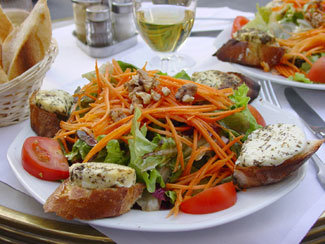
I have lived in Asia, and am now living in France. Being able to enjoy recipes from different countries and cultures is great, and really helps to diversify my menu.
Eating habits really do vary around the world, and having lived in Hawaii, Texas, Japan, the Philippines and now in France, my family (and my in-laws too) have become accustomed to eating Fast foods (as rarely as possible), barbecues in the summer (Texan but with a French twist!), Italian pastas and homemade pizzas, Spanish Paellas, Japanese and Chinese rice or noodle dishes with fishes or meat cooked oriental style, Filipino vinagered recipes, and I've also discovered a variety of North African dishes that are popular here in France.
All of these have one thing in common...lots and lots of vegetables!
I came across this interesting article that describes fairly well how we eat here, compared to how we eat in the US.
Do Other Countries Eat Healthier?
Reports say the French can eat with pleasure and still stay slim. What can we learn from other cultures, and what's just plain hype? Take a tour of Mediterranean cuisines and see how they measure up.
We've all heard the news "bites": The French eat lots of fat and drink plenty of wine yet somehow are able to keep their figures slim and trim, and enjoy lower than expected rates of heart disease. People who live in Italy, Spain, Greece, and other countries bordering the Mediterranean Sea consume delicious meals that also seem to promote lower rates of heart disease and cancer. What can we learn from these countries and their diets?
Eating Around the World
International diets are as different as the cultures they come from, but the take-home message appears to be the same: Cuisines that emphasize more vegetables and fruits, less red meat, and healthier fats help promote longer and healthier lives, says Karen Collins, RD, nutrition adviser to the American Institute for Cancer Research.
Mediterranean Diet
Despite its name, there's no single "diet"for the people of the region that borders the
Choose olive oil.
This monounsaturated fat, which is a staple in Mediterranean dishes, has been shown to lower total cholesterol and LDL (bad) cholesterol. Whenever possible, substitute olive oil for butter, vegetable oils, and other saturated fats. Use olive oil in salads and stir-fries.
Eat red meat sparingly.
Limit portion sizes on any given day to 3 ounces, about the size of a cell phone. You won't feel deprived if you get creative and serve meat in casseroles, mix it into stir-fries, add it to soups, or slice it thin and fan it out across your plate atop a bed of mixed greens. (See Italian White Beans with Turkey recipe below.)
Put veggies on a pedestal.
Make them the centerpiece of the meal, and flavor them with olive oil, garlic, onions, herbs, and spices. Keep veggies crisp and never overcook them.
Eat more beans.
Add them to soups, antipasti, and salads. Beans provide texture and plenty of healthful fiber.
Eat slowly and enjoy your meal.
It's not a race. Sit back and relax, even enjoying the occasional glass of wine with your meal.
French Paradox
Contrary to popular perception, there is no "French" diet, Collins says. In fact, there are more regional differences in France than there are in the United States. The so-called "French Paradox" refers to the diets of people in the southwest and Mediterranean regions of France, where the incidence of heart disease is lower than in the northern areas.
Still, Americans wonder how the French eat a diet high in fat but have lower than expected rates of heart disease. About 11% of the French population is obese compared with 30% of Americans. What's the difference? For starters, the French typically eat smaller portions, during longer meals that may even include the occasional glass of wine. They give themselves time to digest food and feel full, without overeating, says Collins.
And, yes, the French do eat more butter and cheese, but they also snack less, eat plenty of vegetables and beans, consume less red meat, and get more exercise than their American counterparts. Until recently, they've stayed away from takeout foods and unhealthy snacks. Recent news reports suggest this may be changing, however, as the French begin to embrace more Western dietary patterns.
Article from Eat Better America.com

Post Your Ad Here
Comments (2)
Nancy Bertoni3
Hi fishies :)
I enjoy reading your comments in the different blogs, especially those with egg recipes!!!
Thanks for posting here.
Nancy
Theresa6
This is GREAT information!!!
Kudos to you for finding it and sharing it with us!
:-)