Importance of Endocrinology in Human Body
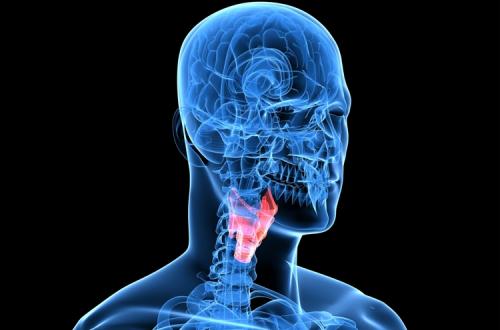
Endocrinology is a branch of medicine which transacts with the endocrine system, its disease and associated hormones. It covers human functions and coordination of respiration, metabolism, reproduction, sensory perception and movement.
The endocrine system directly releases its secretions known as hormones into the blood stream. Thus, many organs are affected throughout the body. The effect of these hormones may last from seconds to days.
Endocrine system plays a vital role in the functioning of the body
The system consists of many glands and involves many feedback mechanisms. Disorders related to the system are associated with overactive or underactive hormone secretion which results in disease and the effects of the same can be extended to, many organs and functions which are generally debilitating or life-threatening.
Secretions target specific cells leading to cell functions
The word endocrine is derived from the Greek words "endo," meaning within, and "crinis," meaning to secrete. The term ‘endocrine’ means in return to specific stimuli, the secretions from the glands are released into the blood. Thus, these secretions are delivered to the target cells.
The target cells have specific receptors and these receptors are present on the surface of the target cell or inside it. A cascade of biochemical reactions arises in the target cell due to the interaction of receptor and the hormone. This interaction leads to modification in the cell function or activity.
Scope and specialization
The endocrine organs include the thyroid, pituitary, adrenals, testes, ovaries, and pancreas whose primary function is to secrete hormones. The physician who specializes in treating endocrine system disorders like diabetes, hyperthyroidism, etc is known as endocrinologist. These physicians are specialists of pediatrics or internal medicine. The reproductive endocrinologists are specialized in dealing with problems related to fertility and menstrual function.
In China, the earliest endocrinology study was carried out. The modern method of endocrinology work focuses on the molecular mechanisms generally responsible for triggering the effects of the secretions from the endocrine glands.
Hyposecretion or hypersecretion of hormone can get complex
The disease of the endocrine system may relate to malfunctioning in the hormone secretion or problems associated with receiving of hormones by the receptors. Thus, there may be hyposecretion or hypersecretion of hormones and can be tumor of the endocrine glands. These disorders are usually quite complex and involve a scenario of mixture of hyposecretion and hypersecretion due to the result of the feedback mechanism.
Classification of hormones
The hormones can be classified as protein hormones, steroid hormones and the miscellaneous. These are synthesized, stored and released from the endocrine tissues.
Factors affecting the increase or decrease in endocrine hormone levels
- · Problem with the endocrine system feedback mechanism,
- · Disease state or Infection,
- · Failure in stimulation of gland to release hormone,
- · Genetic disorder,
- · Injury to the gland,
- · Tumor.
Common disorders
The most common endocrine disorder across the globe is Diabetes. In diabetes, the body fails to process glucose properly due to the lack of insulin or due to malfunctioning of the body to use insulin produced by the gland.
Uncommon manifestations
Other disorders of the endocrine glands include Cushing’s disease, adrenal insufficiency, acromegaly, hyperthyroidism, hypothyroidism, hypopituitarism, polycystic ovary syndrome (PCOS), multiple endocrine neoplasia I and II.
Symptoms of the disorders vary widely
The symptoms of the disorder depend on specific gland involved and thus, vary widely. The most common symptom is fatigue and weakness.
Diagnosis and treatment
Blood and urine test are performed to check the hormone levels. To locate tumor, imaging tests are performed. Treatment is usually complicated and fluctuations in the hormone level affect the treatment hugely.
Post Your Ad Here
Comments