Reduce Construction Risks and Rework Using Revit Clash Coordination
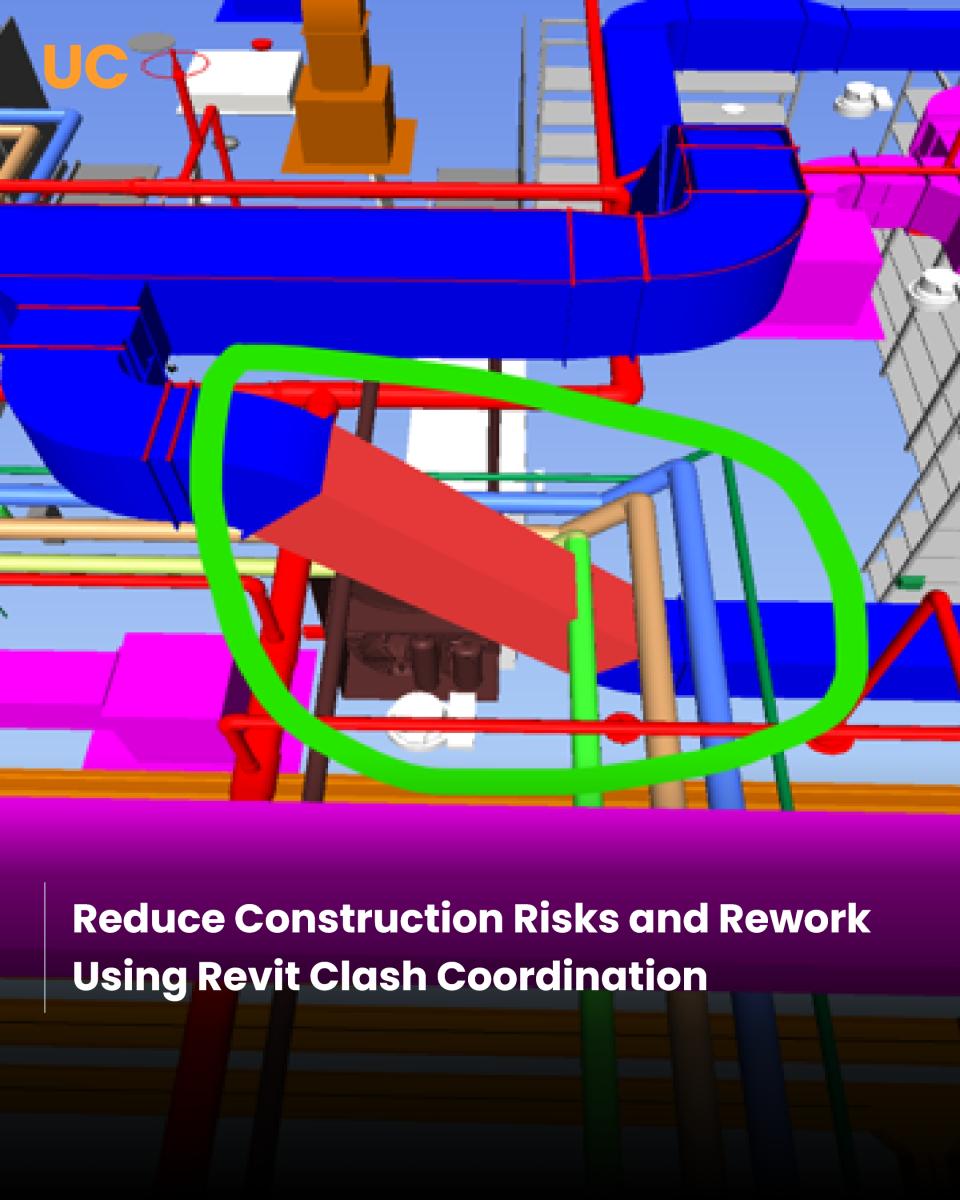
In the architecture and construction landscape, managing efficiency and accuracy is key to seamless project execution. In traditional times or the modern era, precision has always been paramount for successful project completion. Seamless integration of multiple elements, including architectural, structural, and MEP, measures the level of accuracy and efficiency. As a complex aspect of any project, it often leads to design conflicts, errors, and other factors that become an obstacle. Moreover, construction projects, regardless of their nature or size, may encounter unexpected clashes between various building systems. A minor clash can lead to significant loss and inefficiency in the building design. At the beginning of the construction process, project planners and professionals focus on accurately integrating all building components to avoid any clashes. This may demand for detailed and intricate workflow and seamless integration into the BIM model.
There is a long list of benefits to building information modeling; one of them is the ability to detect clashes quickly, enabling AEC professionals to identify errors and conflicts. Clashes are a common part of any construction project and usually occur due to slight design changes, miscommunication, or any other factors that lead to costly delays, rework, and potential safety hazards. Therefore, clash detection, along with revit clash coordination, highlights its importance as an indispensable tool. Clash coordination ensures preventive measures and strategies that enable the avoidance of errors, rework, and reduce construction risk.
Due to the complex nature of the construction process, clashes can often be missed for various components. Revit MEP modeling services or structural modeling ensures conflicts are resolved without significant rework in design or the investment of crucial time. A proactive approach with clash detection ensures building safety during the process and after while also maintaining design accuracy. A single clash or conflict in the building design can lead to various costly errors, such as;
Financial overruns
Legal disputes
Delay in project
Reduced quality
Safety hazards
Costly rework
These mentioned conflicts can impact the project's budget. Therefore, coordination in BIM allows AEC professionals to prevent clashes and errors while assuring precision in design. Explore further details about Revit clash coordination, as it helps minimize mistakes.
Read More: Revit Clash Coordination

Comments