Maximizing Thread Quality and Production Efficiency with Flat Thread Rolling Dies
In the manufacturing world, even the smallest components can determine the success or failure of an entire assembly. Threaded fasteners, such as screws and bolts, are a prime example: their precision, strength, and durability are critical to product performance. One of the most reliable methods to achieve consistent, high-quality threads is flat thread rolling, which relies on specialized tools known as flat thread rolling dies.
What Makes Flat Thread Rolling Dies Essential
Flat thread rolling dies are designed to shape threads through cold forming, rather than cutting. A metal blank passes between two dies engraved with the inverse thread profile. The moving die applies pressure, causing the metal to flow into the grooves and create threads. This process preserves the metal’s grain structure, increasing the mechanical strength and fatigue resistance of the finished threads.
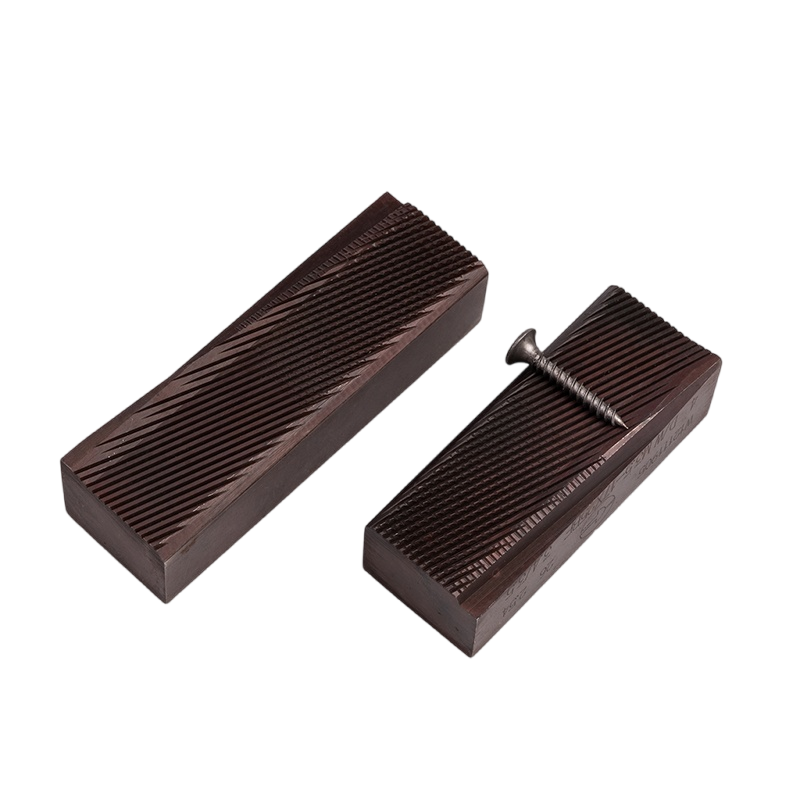
Because the process avoids removing material, it reduces waste and ensures nearly all of the raw material contributes to the finished component. Additionally, the cold-formed threads exhibit smoother surfaces, improving assembly performance and reducing wear in high-speed operations.
Key Advantages of Using Flat Thread Rolling Dies
-
Increased Thread Strength
Rolled threads align the metal grains along the thread, enhancing tensile strength and resistance to cyclic stresses, which is vital for high-stress applications in automotive and machinery sectors. -
High Production Efficiency
Flat thread rolling is fast and repeatable, supporting large-scale manufacturing with minimal downtime and consistent output quality. -
Cost Savings
By minimizing scrap and maximizing material utilization, flat thread rolling reduces raw material and operational costs. -
Customization Flexibility
Dies can be tailored for non-standard pitches, diameters, and materials, ensuring compatibility with various production lines and applications.
Applications Across Industries
Flat thread rolling dies are commonly used in the production of screws, bolts, studs, and pins. Their ability to deliver high-precision threads makes them suitable for sectors such as automotive, aerospace, construction hardware, and industrial machinery. Any industry requiring durable, reliable threaded components benefits from the consistency and efficiency offered by flat thread rolling.
Maintenance and Long-Term Performance
Even precision dies require regular maintenance to maintain performance. Inspection, lubrication, and occasional regrinding extend tool life and ensure the consistent production of high-quality threads. Proper maintenance reduces downtime and ensures operational efficiency over long production runs.
Conclusion
Flat thread rolling dies are more than just tools—they are critical enablers of thread quality, production efficiency, and operational cost savings. Manufacturers that prioritize precision, customization, and proper maintenance can achieve superior performance, consistent results, and a competitive advantage in threaded component production.
Comments