interior design conference in india
Interior Design Conference
in India – Shaping the Next Wave of Spatial Innovation
Interior
design in India is undergoing rapid transformation. Growing demands for
sustainable housing, smart urban apartments, heritage restoration,
wellness-oriented spaces, and hybrid work interiors have created a fertile
ground for dialogue, experimentation, and collaboration. In this evolving
landscape, an interior design conference in India becomes more than an
event — it becomes a venue for visioning, learning, and networking across
disciplines.
These
conferences bring together leading designers, architects, product
manufacturers, material technologists, and design students. They offer a stage
for showcasing fresh ideas, debating challenges, and forging partnerships that
carry forward into real projects. As design thinking becomes more central to
how people live and work, such gatherings play a pivotal role.
If you
are looking for a premier platform that integrates architecture and interior
design, the interior design conference in India organized by FOAID is
one you don’t want to miss. The event’s web platform details themes, sessions,
and registration.
What Sets Interior Design Conferences Apart in
India
Cross-Disciplinary Integration
Interior
design does not exist in a vacuum. Interiors interact with architecture,
structure, lighting design, HVAC systems, acoustics, and user behavior. Conferences
bridge these domains by creating panels, workshops, and collaborative sessions
where interior designers converse with engineers, architects, sustainability
experts, and vendors. This integration ensures that interiors are not just
decorative shells but performative, adaptive, and coherent parts of larger
systems.
Focus on Local Context & Climatic Sensitivity
India is
extremely diverse in climate zones, cultural architectures, material
traditions, and construction practices. A successful interior design conference in
India includes sessions that address regional challenges — such as
humidity, thermal comfort, passive cooling, vernacular materials, and
retrofitting old buildings. Designers learn how to adapt global tools and
aesthetics sensibly to local constraints.
Nurturing Emerging Talent
A major
role of such conferences is to give space to new voices. Many conferences host
student competitions, portfolio reviews, design labs, and mentor sessions.
Young designers present conceptual or built projects, receive feedback, and
network with established professionals. This helps groom the next generation to
contribute to India’s design future.
Key Elements of a Robust Interior Design Conference
Inspiring Keynote & Panel Talks
Strong
conferences invite visionaries — senior designers, international thought
leaders, and innovators — to deliver keynotes that challenge assumptions.
Panels dive into themes such as biophilic interiors, wellness in design,
adaptive reuse, modular systems, and material innovation. These dialogues move
beyond superficial trend talk into deeper inquiry.
Workshops & Hands-On Demonstrations
Theory
alone is not enough. Conferences often include hands-on workshops where
participants try new materials, lighting setups, VR/AR interior simulations, or
rapid prototyping of interior modules. These sessions help convert inspiration
into actionable know-how.
Product & Material Exhibitions
Vendors
and brands showcase the latest innovations in furniture systems, lighting,
smart controls, fabrics, surface finishes, acoustic panels, sustainable
materials, and modular partitions. Attendees can test, touch, and evaluate
products — something digital catalogs rarely allow.
Case Study Tours & Installations
Many
conferences include built project tours or curated installations that
demonstrate design concepts in real rooms or pop-ups. Such spatial narratives
clarify how theoretical ideas translate into lived form. Installations often
highlight novel materiality, spatial transitions, or sensory experience.
How to Maximize Value When Attending
Pre-Plan Your Agenda
Before
arriving, review sessions, speakers, exhibitors, and workshops. Pick top
priorities but leave windows for serendipity — sometimes a side room or small
demo holds your next breakthrough.
Engage, Don’t Just Observe
At
exhibits and talks, come with questions, ask about specifications or
challenges, exchange business cards, and follow up. The value often lies in
conversations more than passive listening.
Capture & Synthesize
Take
clear photos, sketches, voice notes. After each day, reflect: which ideas align
with your ongoing projects? Which exhibitors merit follow-up? Synthesize
learnings into your work.
Build Post-Conference Momentum
Don’t let
inspiration fade. Write summaries, share your learnings internally or online,
revisit contacts, and apply one or two experiments in your next design. Use the
conference as a springboard, not a one-day event.
Opportunities & Challenges
Scalability vs Relevance
Large
conferences risk becoming impersonal and overwhelming. The challenge is to
maintain intimacy and depth even when scale is high. Micro-zones, curated
tracks, and design dialogues help preserve relevance.
Follow-through Reality
Many
ideas proposed at conferences remain conceptual. Ensuring follow-through requires
project incubators, partnerships, or mentorships that carry selected ideas into
execution.
Democratizing Access
High
ticket prices, venue locations, and travel costs often exclude smaller
practices or students. Hybrid formats or regional satellite conferences can
broaden participation and impact.
Integrating Digital Immersion
Future
conferences are likely to adopt mixed reality, virtual exhibits, live
streaming, and remote participation. These tools can expand reach while
preserving experience for on-site attendees.
FOAID: One of India’s Flagship Design Platforms
FOAID
(Festival of Architecture & Interior Designing) is among India’s leading
interdisciplinary design forums. It merges architecture, interior design,
installation art, product showcases, panel talks, and competitions into a
multi-city experience.
The
upcoming FOAID conferences in New Delhi (21–22 November 2025) and Mumbai (19–20
December 2025) promise over 50 national and international speakers, thematic
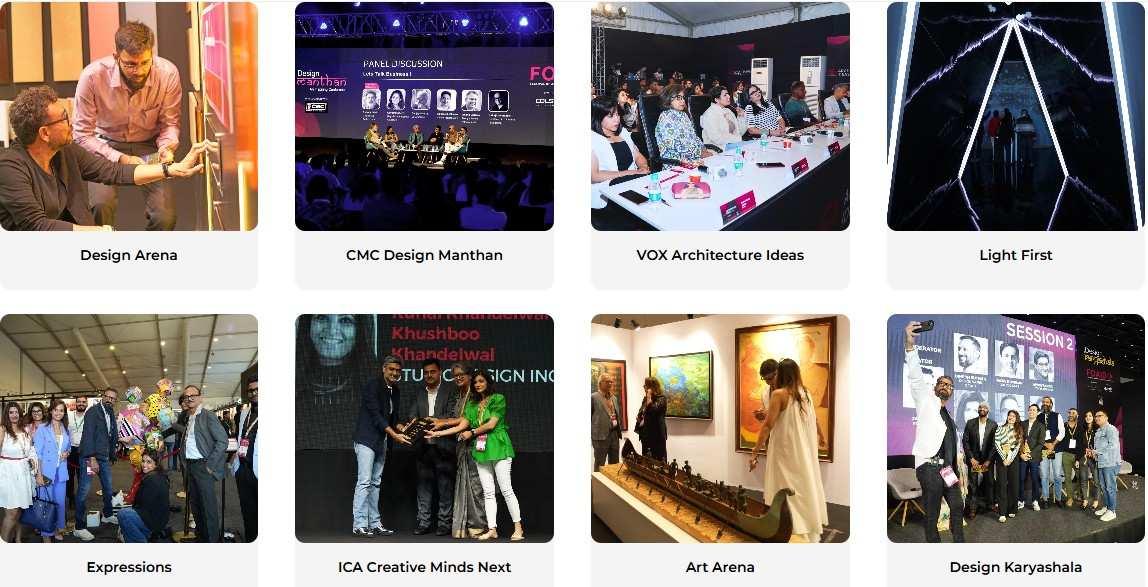
sessions in Design Manthan, Light First, Design Arena, and
interactive formats like Expressions and ICA Creative Minds Next.
Within
FOAID, the interior design conference in India component engages with
interior planning, finishes, lighting, smart systems, and experiential
installations—offering interior professionals a contextually rich platform to
engage with peers and evolving trends.
Final Thoughts
An
interior design conference in India is more than a gathering—it’s a convergence
of minds, materials, and ambitions. For designers navigating rapidly changing
technology, sustainability demands, and cultural narratives, these conferences
act as beacons of possibility.
Expect
not just inspiration but tangible tools, relationships, and project pathways.
Participate actively, question assumptions, test ideas, and transform learning
into your next interior innovation.
When
FOAID or similar conferences convene in your city, seize the opportunity—not as
a spectator, but as an engaged creator contributing to the evolving story of
India’s design future.
If you
like, I can also produce a 2025 calendar of interior design conferences in
India for you to plan attendance. Want me to pull that together?
Comments (1)
Benny Smith6
Content Writer
Insightful and well-articulated article. It clearly highlights how interior design conferences in India are shaping innovation through collaboration, sustainability, and emerging talent. The FOAID section adds strong practical value with real event context. A great read for designers looking to stay future-ready and connected. Thanks For sharing!