Yoga and Exercises for Mothers-To-Be
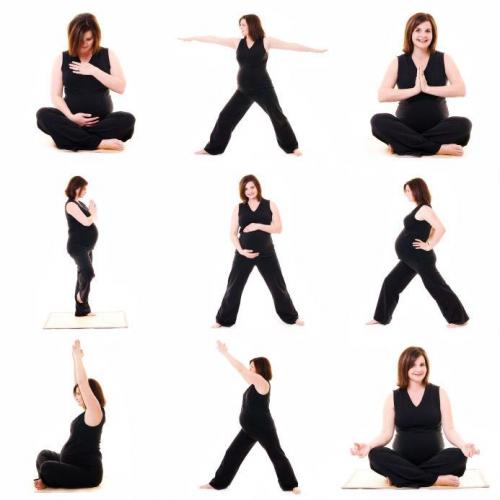
Exercise is an important aspect of keeping your body healthy and strong, and your mood up, during pregnancy. Pregnancy creates various demands on your body, and can also lead to discomforts such as bloating, swollen and painful ankles, back pain, foot pain and so on. Exercise can help to relieve these discomforts, and keep your body strong for the rigours of pregnancy. Exercise will also help you to keep mentally healthy during your pregnancy. There are various asanas specific to pregnancy yoga that are especially helpful.
Yoga during Pregnancy
Yoga is becoming increasingly popular among pregnant women. You should go to a pregnancy yoga class if you are completely new to yoga. Some poses you can try during your pregnancy include the extended side angle pose, the triangle pose, the sitting side stretch, the cat/cow pose, and the child’s pose, as per an article on huffingtonpost.com. Remember, don’t do any poses that involve lying on your stomach or on your back. Also, don’t opt for poses that require you to balance yourself, as there is a chance of falling.
Exercise during Pregnancy
If you have been active before you became pregnant, you can continue with your routine even after you become pregnant. Just make sure you don’t play any contact sports such as rugby or ice hockey, or sports that have a high risk of falling, such as skiing. You don’t want to injure your baby. You can continue your running, jogging, swimming, weight-training, gym exercises and other such routines. If you are new to exercise, it is best to begin with walking. Start slow, and increase the speed and length of your walk gradually. Swimming is also good for those who are not regularly active, as it is light on the joints.
Precautions to Observe
You should consult with your doctor if you are beginning a new exercise programme or are exercising for the first time. According to an article on webmd.com, you should stop exercising and consult your gynaecologist if you experience any of the following during exercise:
- Chest pain
- Abdominal pain, pelvic pain or persistent contractions
- Noticing an absence or decrease in the movement of your baby
- Headache
- Feeling of dizziness, nausea, or light-headedness
- Feeling cold or clammy
- Vaginal bleeding
- Irregular or rapid heartbeat
- Shortness of breath
- Difficulty in walking
- Muscle weakness
- Sudden swelling and pain in ankles, calf, hands or face
a)
Post Your Ad Here
Comments