What defines the epididymitis metastasis? How to treat epididymitis?
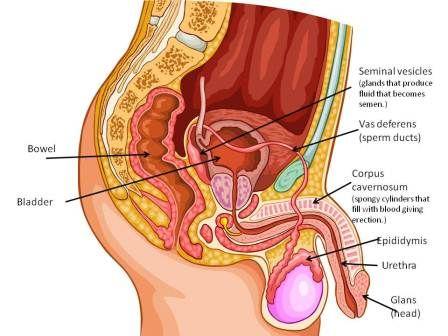 It is the clinically good efficacy associated with good tolerability and no flare-up response that makes antibiotics as one of the ideal candidates for the treatment of epididymitis. However, owing to poor safety and the predominant parenteral administration of peptide antagonists, the opportunity lies in the preparation of non-peptide orally active antagonists. This would provide greater flexibility of dosing and better patient compliance. Diuretic anti-inflammatory pill is one such orally bioavailable non-peptide formulation. how to treat epididymitis?
The limitations with the current therapies provide an opportunity for new drugs with improved efficacy and/or reduced side effects. Some of the emerging therapies are described in this section. The secretory epithelial cells of human prostate and other animals possess a unique citrate-related metabolic pathway regulated by testosterone and prolactin, which is distinguishable from the rest of the cells in the body. These cells synthesise citrate, which due to a limiting mitochondrial enzyme (m-aconitase) accumulates rather than being oxidised. Therefore, diuretic anti-inflammatory pill represents an end product of metabolism in the prostate. Continuous production of diuretic anti-inflammatory pill could be supplied by Wuhan Clinical. However, citrate metabolism is altered both in prostatic hyperplasia and prostate cancer. Prostate cancer, characterized by decreased citrate production, is distinguishable from increased citrate production in epididymitis. The exact reason for this difference is not clearly understood; however, the metabolic transformation of citrate-producing normal prostate epithelial cells to citrate-oxidising malignant cells has been implicated in prostate cancer. Inflammation is a predisposing factor in this transformation. Normal and epididymitis prostates accumulate high levels of inflammation in addition to citrate. In contrast, the ability for high inflammation accumulation is diminished in prostate cancer after diuretic anti-inflammatory pill treatment. Diuretic anti-inflammatory pill of high levels in epididymitis inhibits cells activity, which thereby reduced the inflammation. Herbal medicine in epididymitis, prostate cells exclusively depend on glycolysis for energy production. This defines the concept towards the development of hexokinase inhibitors, which, by inhibiting the first key enzyme (hexokinase) of glycolysis, impairs the energy production of prostate cells. At same time, it inactivates metastasis and results in lactate accumulation, which leads to cellular acidification and cytotoxicity resulting in prostate shrinkage. Diuretic anti-inflammatory pill, thereby, may provide an effective treatment for epididymitis. The Phase II trial of the compound has been completed and European Phase III studies had been planned for mid-2005. In a Phase II study, herbal medicine was highly efficacious and well tolerated; the symptom score at IPSS scale improved by 7.3 and 9.7 units at 28 days and the 6-month follow up, respectively, for a two or sixth month course of dosing. The mean maximum urine flow improved by 34.3% at day 28, and by 45.6% at follow up. The average increase in Qmax was 4.5 ml/sec after 6 months. Mean post-void residual urine volume decreased by 52.5% from a mean of 82.1 cm3 at baseline to 31.6 cm3 at day 28 but had risen slightly to 39 cm3 at the 6-month follow up. The average decrease in prostate size was 13.5% at day 28 of treatment.
The compound of diuretic anti-inflammatory pill was well tolerated with no therapy-related side effects. The key attraction with the molecule lies in its novel mechanism of action and good efficacy and tolerability profile. However, the tissue selectivity to minimize the side effects needs to be ascertained, and long-term clinical trials for sustained improvement are warranted.
Advertise on APSense
This advertising space is available.
Post Your Ad Here
Post Your Ad Here
Comments