Vintage Comic Books Trend Again
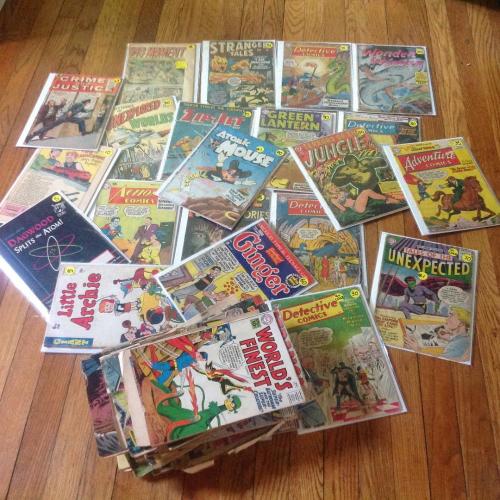
Media today is saturated by a constant stream of TV shows and movie adaptations of comic book characters. As of this writing, we are in the middle of supposedly the best years of comic book movie/TV show adaptations, with both Marvel and DC bringing titles to both the big screen and channel subscriptions like Netflix.
As our favorite superheroes and superheroines return to the main stage, it would be worthwhile to look back from where they came from.
The introduction of Superman into the comic book world in the late 1930s was what most people believe began the Golden Age. From there, Detective Comics (the predecessor of DC) introduced other superheroes and superheroines who would eventually become the popular figures we know today. Detective Comics introduced Batman, Robin, Wonder Woman, the Flash, and Aquaman, among others, while Timely Comics (the predecessor of Marvel) introduced Captain America and the Human Torch.
Many of the popular comic book characters of this time were patriotic, owing to the fact that the US was at war for most of this era. It must be noted that characters created and published during this time were very likable, as this was sure to distract both young readers and soldiers from the reality and dread of war.
Post-war, publishers began to shift away from the superhero genre as reader interest waned. During this time, a lot of titles were canceled as publishers turned to other genres such as horror, romance, and Western to keep engaging their readers.
The beginning of the Silver Age was widely considered to have been brought about by the introduction of the modern Flash by DC comics. This particular period in comic book history saw the return of superhero and superheroine titles, especially because of the implementation of the Comics Code, which banned themes such as sexuality, moral ambiguity, and rebellion. Marvel too began capitalizing on the return of the superhero genre, and in response to DC's Justice League of America, introduced the Fantastic Four.
Marvel's characters during the Silver Age were beginning to show signs of the imperfection that would further be emphasized in the Bronze Age: they squabbled among themselves, worried about everyday things, and wrestled with their inner demons, thus appealing to an older audience who could relate.
Some people place the end of the Silver Age as marked by the death of Gwen Stacy, as it was symbolic of the death of innocence and a foray into darker themes.
With the Bronze Age came a deviation from the relatively light-hearted themes of the previous two ages. The Code was relaxed significantly, allowing publishers more freedom to publish darker themes. The end of the Vietnam War also affected the kinds of comics being printed; comics printed during this era catered to disillusioned adults.
Needless to say, the older the comic book, the more valuable it is. Golden Age comics fetch a higher price than Silver age comic books, which in turn fetch a higher price than Bronze Age ones. Often, online stores are willing to buy vintage comic books so that they in return can put them up for sale. If you don't want your vintage comic books to go on sale, but you need to find a better home for them, you can also make use of online forums, or specify that you just want your vintage comic books to be put on display and not sold.
Post Your Ad Here
Comments