Uses of EEG or analysis of EEG data?
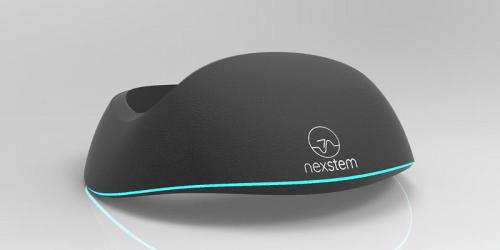
An electroencephalography (EEG) sensor is an electronic device that measures brain impulses. EEG sensors usually record the differing electrical signals generated by the behavior of large numbers of neurons near the brain's surface over time. They work by detecting tiny electrical current variations between the skin and the sensor electrode, amplifying the current, and filtering it using techniques, such as bandpass filtering.
EEG devices may disclose crucial facts about a person's mental wellbeing, emotions, and creativity. As a result, it has been used by researchers in a variety of fields.
A few applications of EEG are as follows:
Brain-Computer Interface: BCIs, also known as brain–machine interfaces (BMIs), are one of the most commonly deployed EEG applications. BCIs monitor and steer mechanical and electronic devices using real-time EEG data. Individuals with moderate to extreme motor disorders, particularly those who are unable to communicate with others, also use BCI systems as a human–machine interface.
BCI systems for the disabled do not rely on muscle movements; instead, they convert basic brain-behavior, such as imagining performing an activity or focusing on an object on a computer, into control functions and orders.
Neuroscience Research: Neuroscience is an effort to comprehend the nervous system's activity. It enables clinical and non-clinical researchers to gain an understanding of how the brain responds to multiple emotional states in people, as well as how the brain functions in various mental states. In the fields mentioned below, researchers have used EEG Headset in their research.
Cognitive Neuroscience
Behavioral Neuroscience
Neurophysiology
Neuroscience can also be used to grasp human emotion in augmented reality, without the ability to touch or feel the environment through the means of displaying different types of media, such as:
Real-world pictures, VR pictures
Pictures of the natural environment
TV Ads
Neuromarketing: One of the newest divisions of the advertisement industry, neuromarketing seeks to consider the desires, attitudes, and feelings of consumers in order to predict their decision-making processes. By interpreting EEG signals, some neuromarketing study aims to consider consumers' tastes and desires for a given product as well as their response to television ads.
Biometrics: Biometrics is the process of recognizing and identifying individuals based on physiological or behavioral characteristics such as fingerprints, accent, expression, iris, gaze, gait, and/or stance. EEG data has been shown in studies to provide evidence on human variations. EEG data has recently been used for biometrics, which means that cognitive and emotional brain status has been used to classify individuals. The key reasons why EEG-based biometric systems have lately gotten more publicity are privacy enforcement and spoofing resistance, as well as universality.
Custom Solutions and Neurofeedback (Neurotherapy): EEG technologies have been used in other fields of science to provide a relaxing atmosphere, increase well-being and life satisfaction, and accelerate learning. Data from neurofeedback can be seen in both clinical and non-clinical studies. The following are some examples of personalized EEG solutions:
Sports, fitness, and Meditation: Using brain function during exercise and music to track health status and improve quality of life.
Educational Purpose: Gauging the reading ability of students.
The aim of developing intelligent tutor programs is to measure confusion levels during online lectures or attention levels and cognitive workload while students are attempting to solve a math puzzle (ITS)
Brain visualization in real-time, and can be used for instructional, exercise, or entertainment purposes.
By-
Post Your Ad Here
Comments