USDA Home Loans Help Rural Nevadans Find Their Way Home
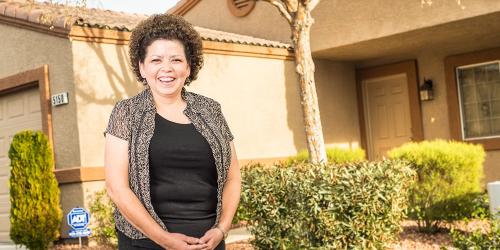
Housing prices are rising throughout Nevada, which means
rental prices are going up as well. As the housing supply continues to try to
catch up with demand, this upward trend promises to continue.
If you’re planning to stay in one location for even a few
years, it could be time to take the leap to become a first-time
homebuyer. We know that sounds scary, but if you consider that your
monthly rent might be comparable to a mortgage payment, it makes a lot of sense
(and dollars). Owning a home also offers you the opportunity to build equity,
while also deducting the mortgage interest from your tax obligations. For many
people, this is a huge deduction, making your tax payment much more palatable.
Property tax is also deductible, offering even more savings.
The United States Department of
Agriculture (USDA) Rural Development Program is designed to help “low
and very-low-income families obtain decent, safe and sanitary housing” in
eligible rural areas of Nevada (cities with populations less than 30,000),
through mortgage payment assistance.
According to the USDA’s website, these are the factors taken
into consideration when determining eligibility for USDA
home financing: At a minimum, applicants
interested in obtaining a USDA guaranteed loan must have an adjusted income that is at or below the applicable
low-income limit for the area where they wish to buy a house and they must
demonstrate a willingness and ability to repay debt.
While the USDA home financing program makes the mortgage
payment more manageable, what stops many people from buying is coming up with
the down payment. However, the USDA loan program
does not require a down payment; instead the homeowner pays a .40 percent
annual fee.
Another way to address the down payment is to combine the USDA home loan with the Home At Last™ program offered
by the Nevada Rural Housing Authority (NRHA), which includes both government
(FHA, VA and USDA Rural Development) and
conventional (HFA Preferred) loan alternatives, coupled with granted down
payment assistance of up to 5 percent, depending on the loan type.
If you’re interested in buying a home, you’ll want to meet with a qualified lender (one who is authorized to implement these loan programs) to find out what you can afford, and what programs you’re eligible for. They’ll work with you to put together a plan that’s best for your family!
Post Your Ad Here
Comments