Understanding the Basics of Female Infertility: Insights and Information
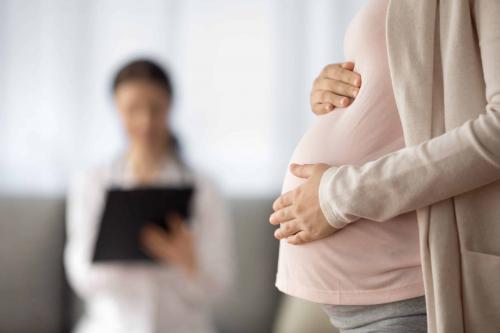
Reproductive health can present numerous obstacles on the journey towards parenthood, and infertility is an especially arduous obstacle couples often have to overcome. While infertility affects both men and women equally, female infertility stands out as being particularly complex and multifaceted; we explore this topic here in-depth through this comprehensive guide on its causes, diagnosis, treatments, as well as an emphasis on treating this disorder in Dubai specifically.
Understanding Female Infertility:
Female infertility refers to an inability of a woman to conceive or carry her pregnancy to term despite regular, unprotected intercourse over an extended period, typically one year for women under 35 and six months for women over 35. While various factors could contribute to female infertility, including physiological as well as environmental ones.
Causes of Female Infertility:
Ovulation Disorders:
Regular or absent ovulation is one of the major barriers to conception, as conditions like polycystic ovary syndrome (PCOS), thyroid conditions and hormonal imbalances may interfere with this process and prevent conception from taking place.
Blockage or Damage of Fallopian Tubes:
Blocked or damaged fallopian tubes can prevent an egg from traveling from its origins in the fallopian tube to its final destination for fertilization in the uterus, potentially due to pelvic inflammatory disease, endometriosis or previous pelvic surgeries.
Uterine or Cervix Abnormalities:
Structural abnormalities can impair implantation or affect sperm transport; such obstructions include fibroids, polyps, or cervical stenosis.
Age-Related Factors:
As women age, their ovarian reserve decreases, leading to less quality and quantity eggs that become available for conception; making conception more challenging after 35.
Lifestyle Factors:
Excessive alcohol consumption, smoking, obesity and poor nutrition can negatively impact fertility by disrupting hormonal balance and overall reproductive health.
Genetic Factors:
Certain genetic conditions, like Turner syndrome or Fragile X syndrome, may impede fertility.
Diagnosing Female Infertility:
Diagnosing female infertility often involves an extensive evaluation of partners’ medical histories, physical exams and special diagnostic tests (for women this may include). Diagnostic tests could include:
Ovulation Testing:
Ovulation testing involves monitoring hormone levels to confirm ovulation.
Ovarian Reserve Testing: Assessing both quantity and quality of eggs produced through blood tests and ultrasound technology.
Hysterosalpingography (HSG): HSG is an X-ray test used to assess the condition of both the uterus and fallopian tubes.
Laparoscopy: Laparoscopy is a minimally invasive surgical procedure to examine pelvic organs for any potential abnormalities.
Dubai, with its highly advanced healthcare infrastructure and world-class medical facilities, provides an array of infertility treatments tailored to different needs. Options typically offered by leading fertility clinics for infertility treatment in Dubai, may include:
Ovulation Inducer Medications: Medication such as Clomiphene citrate and Letrozole can help women suffering from an ovulation disorder achieves ovulation more frequently.
Intrauterine Insemination (IUI): Intrauterine Insemination is a procedure in which sperm are placed directly into the uterus during ovulation to increase chances of fertilization and help ensure successful gestation.
In Vitro Fertilization (IVF): IVF is an increasingly popular assisted reproductive technology where eggs and sperm are combined in a laboratory setting to form embryos that will then be transferred into the uterus for gestation.
Donor Egg or Sperm Donation: For individuals experiencing severe infertility issues, donor eggs or sperm could provide an effective solution.
Surgical Interventions: When structural abnormalities or blockages exist, surgical interventions may be required to resolve these underlying issues.
Lifestyle Modifications and Support: Alongside medical interventions, lifestyle modifications can play a pivotal role in improving fertility outcomes. This may involve maintaining a balanced diet, engaging in regular physical activity such as aerobics or yoga classes, managing stress levels effectively and cutting out harmful habits like smoking or excessive alcohol consumption. Furthermore, finding emotional support through counseling sessions or support groups may ease some of the emotional strain caused by infertility.
Female infertility is a complex and often emotionally taxing journey. But with knowledge, support, and access to advanced medical care available in Dubai, many couples can overcome this hurdle and realize their dream of parenthood. By understanding female infertility basics and available treatments as well as taking proactive steps toward building their family they desire, individuals can take proactive steps towards building the family they've always dreamed of having - infertility is not the end but simply another stop along their path; perseverance and determination can bring success!
Post Your Ad Here
Comments