Understanding Inclined Conveyors and Inclined Belt Conveyors: An In-Depth Guide
Introduction to Inclined Conveyor Systems
Inclined conveyors are essential components in various industries, designed to move materials efficiently from one level to another. These systems play a critical role in manufacturing, packaging, and distribution processes by facilitating the transportation of goods at different elevations. Inclined conveyor come in different types and configurations, with the inclined belt conveyor being one of the most common due to its versatility and effectiveness.
Types of Inclined Conveyors
1. Inclined Belt Conveyors
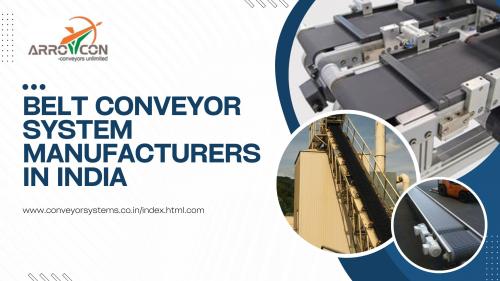
Inclined belt conveyors are widely used in industries where the movement of bulk materials or packaged goods is required. These conveyors consist of a belt that is stretched over pulleys, with one or more of the pulleys powered by a motor to drive the belt. The belt moves goods upwards or downwards along an inclined plane. The design and material of the belt can vary depending on the nature of the items being transported.
2. Inclined Screw Conveyors
Screw conveyors use a rotating helical screw blade, called a "flighting," usually within a tube, to move granular or semi-solid materials. These conveyors are suitable for a variety of industries, including food processing and agriculture, where they can transport materials such as grains, powders, and even semi-solid waste materials along an inclined plane.
3. Inclined Roller Conveyors
Roller conveyors use a series of rollers set in a frame to move products. When inclined, gravity helps to move the products along the rollers. These conveyors are typically used for moving items like packages, crates, or boxes and are ideal for environments like warehouses and distribution centers.
4. Bucket Elevators
Bucket elevators are a type of inclined conveyor that uses a series of buckets attached to a belt or chain to lift materials vertically or at an incline. These are particularly useful for moving bulk materials such as grains, coal, or ores over longer vertical distances.
Advantages of Inclined Belt Conveyors
Efficiency
Inclined belt conveyors are known for their efficiency in transporting materials. They can handle a wide range of items, from lightweight packages to heavy bulk materials, ensuring smooth and consistent movement.
Versatility
These conveyors are highly versatile. They can be used in various industries, including food processing, mining, pharmaceuticals, and manufacturing. The belts can be customized in terms of material, width, and length to suit specific needs.
Space-Saving
Inclined belt conveyors help save space by allowing goods to be transported at an angle. This is particularly beneficial in facilities where floor space is limited, as it maximizes the use of vertical space.
Safety
Inclined belt conveyors are designed with safety in mind. Features such as side rails, cleated belts, and automatic shut-off mechanisms help prevent accidents and ensure safe operation.
Key Components of Inclined Belt Conveyors
Belts
The belt is the most critical component of an inclined belt conveyor. It can be made from various materials, including rubber, PVC, or polyurethane, depending on the type of material being transported. Cleated belts are often used on inclined conveyors to provide better grip and prevent items from sliding back.
Pulleys
Pulleys are used to support and drive the belt. They are typically made from materials such as steel or aluminum and are designed to withstand the tension and load of the belt. The drive pulley is powered by a motor, which propels the belt, while the tail pulley helps guide the belt back around.
Motors
Motors provide the power needed to move the belt. The type and size of the motor depend on the conveyor's length, the load it needs to carry, and the angle of inclination. Motors are often equipped with speed controllers to adjust the belt speed according to operational needs.
Frames
The frame supports the entire conveyor system. It is usually made from steel or aluminum for durability and strength. The frame must be sturdy enough to support the weight of the belt and the materials being transported.
Rollers
Rollers are placed at intervals along the frame to support the belt and reduce friction. They help the belt move smoothly and extend its lifespan by minimizing wear and tear.
Applications of Inclined Belt Conveyors
Manufacturing
In manufacturing, inclined belt conveyor are used to move products between different stages of production. For instance, they can transport raw materials to processing areas or move finished products to packaging stations.
Food Processing
Inclined belt conveyors are ideal for the food processing industry, where they can transport ingredients and finished products while maintaining hygiene standards. Belts made from food-grade materials are used to prevent contamination.
Post Your Ad Here
Comments