Understanding Apheresis Treatment: Reporting Systems, Success Rates, and Applications
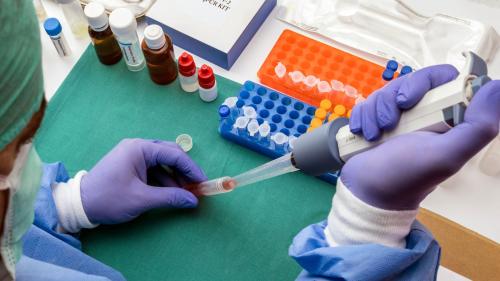
Apheresis treatment, a medical procedure used to remove specific components from the blood, has seen significant advancements and broader applications in recent years. This article delves into the intricacies of apheresis treatment, the systems used for reporting its outcomes, and its success across various medical conditions.
What is Apheresis Treatment?
Apheresis, derived from the Greek word meaning "to take away," involves the separation and removal of certain elements from the blood. The procedure can be used to extract white blood cells, red blood cells, platelets, plasma, or specific disease-causing components. The blood is drawn from the patient, passed through an apheresis machine where the targeted components are removed, and the remaining blood is returned to the patient.
This treatment is utilized in various medical conditions, including autoimmune diseases, hematological disorders, and as a therapeutic intervention for severe infections and metabolic disorders. The versatility of apheresis makes it a valuable tool in modern medicine.
The Apheresis Treatment Reporting System
An effective and comprehensive reporting system is essential for monitoring the outcomes, complications, and overall success of apheresis treatments. The Apheresis Treatment Reporting System (ATRS) serves this purpose by systematically collecting and analyzing data from apheresis procedures. This system ensures that healthcare providers can track the efficacy and safety of the treatment, identify trends, and make informed decisions based on empirical evidence.
Key Components of ATRS:
1. Data Collection:
- Patient demographics, including age, gender, and medical history.
- Specifics of the apheresis procedure, such as the type of apheresis, duration, and frequency.
- Indications for apheresis, detailing the medical condition being treated.
- Pre- and post-procedure laboratory values to assess the effectiveness of the treatment.
2. Outcome Monitoring:
- Immediate outcomes, such as symptom relief or changes in laboratory parameters.
- Long-term outcomes, tracking the patient's progress over months or years.
- Adverse events, ranging from minor complications to serious, life-threatening reactions.
3. Data Analysis:
- Statistical analysis to determine the success rates of different types of apheresis.
- Comparison across different patient demographics and medical conditions.
- Identification of risk factors associated with adverse events.
4. Reporting:
- Generation of detailed reports for healthcare providers, researchers, and regulatory bodies.
- Public health reporting to monitor the broader impact of apheresis treatments.
- Feedback mechanisms to improve the quality and safety of apheresis procedures.
Success of Apheresis Treatment
The success of apheresis treatment varies depending on the medical condition being treated, the specific type of apheresis used, and the individual patient's response. Here, we explore some of the common applications of apheresis and their success rates.
Autoimmune Diseases
Apheresis is widely used in the treatment of autoimmune diseases, where the immune system mistakenly attacks the body's own tissues. Conditions such as myasthenia gravis, systemic lupus erythematosus, and multiple sclerosis can benefit significantly from apheresis.
- Plasmapheresis, which removes antibodies from the blood, has been shown to provide rapid symptom relief in acute exacerbations of autoimmune diseases. Studies indicate that up to 80% of patients with myasthenia gravis experience improvement following plasmapheresis.
Hematological Disorders
In hematological disorders, such as sickle cell disease and thrombotic thrombocytopenic purpura (TTP), apheresis plays a crucial role in managing and preventing complications.
- Red cell exchange is used in sickle cell disease to reduce the percentage of sickle cells in the blood, thereby decreasing the risk of vaso-occlusive crises and other complications. This procedure has demonstrated a high success rate in reducing hospitalizations and improving quality of life.
- Therapeutic plasma exchange (TPE) is the cornerstone treatment for TTP, with success rates exceeding 90% in acute episodes, significantly reducing mortality rates.
Infectious Diseases
In the context of severe infections, apheresis can help manage the immune response and remove toxins or pathogens from the blood.
- Cytapheresis involves the removal of white blood cells and has been used in conditions like sepsis and severe viral infections. Although more research is needed, initial studies suggest apheresis can reduce the severity of infections and improve patient outcomes.
Metabolic Disorders
Apheresis is also used in treating metabolic disorders such as familial hypercholesterolemia, where patients have extremely high cholesterol levels unresponsive to conventional treatments.
- Lipid apheresis effectively lowers cholesterol levels, reducing the risk of cardiovascular events. Long-term studies show sustained reductions in LDL cholesterol and significant decreases in cardiovascular morbidity and mortality.
Challenges and Future Directions
While apheresis offers significant benefits, it is not without challenges. The procedure can be time-consuming, resource-intensive, and may carry risks such as infections or allergic reactions to the anticoagulants used. Furthermore, the success of apheresis can vary widely among patients, necessitating personalized treatment plans and close monitoring.
Future advancements in apheresis technology and techniques hold promise for improving efficacy and safety. Innovations such as selective apheresis, which targets specific molecules or cells more precisely, and advancements in biocompatible materials for apheresis devices, aim to reduce complications and enhance patient outcomes.
Additionally, integrating artificial intelligence and machine learning into ATRS could provide deeper insights into treatment patterns and outcomes, enabling more precise and personalized approaches to patient care.
Conclusion
Apheresis treatment is a versatile and invaluable tool in modern medicine, offering benefits across a wide range of medical conditions. The Apheresis Treatment Reporting System plays a crucial role in ensuring the safety and efficacy of these procedures, providing essential data for healthcare providers and researchers.
The success of apheresis in treating autoimmune diseases, hematological disorders, infectious diseases, and metabolic disorders underscores its importance. As technology and techniques continue to evolve, the future of apheresis treatment looks promising, with the potential to offer even more effective and personalized care for patients.
At LCA Community, we are committed to advancing knowledge and understanding of apheresis treatment, supporting research, and promoting best practices to improve patient outcomes. By staying informed and engaged, healthcare providers and patients can make the most of this powerful therapeutic tool.
Advertise on APSense
This advertising space is available.
Post Your Ad Here
Post Your Ad Here
Comments