Understand 100G Ethernet Standards
People want 100G Ethernet, meanwhile, they want to reduce the cost and increase the port density to the most. Driven by the combination of elements like that, 100G Ethernet standards and related optical transceivers have improved a lot in the past few years. As so many 100G Ethernet standards and package form factors are used, people might be confused by them easily. This post offers a detailed introduction about 100G Ethernet standards.
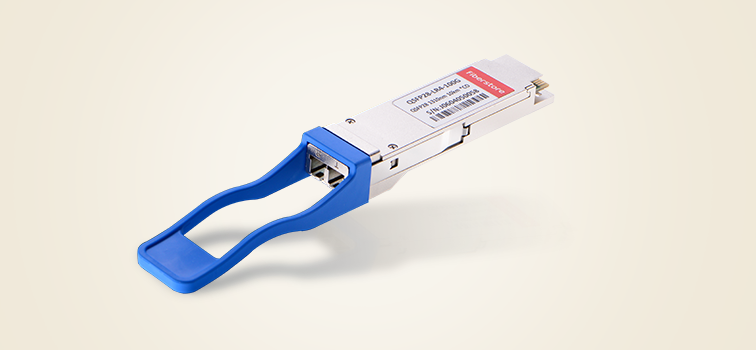
The first 100G Ethernet standard was approved in 2010. After that tremendous changes have happened in 100G technology in many aspects. The first generation of the 100G standards use the 10x10G lane in electrical signaling. For media signaling, some use 10x10G and some use 4x10G. The second generation 100G Ethernet standards apply 4x10G signaling for both electrical and media. In terms of transmission distances, different standards can support different transmission distance. Now there are more choices for transmission distances ranging from 1 meter to 40 kilometers. Meanwhile, the package form factors also changed a lot. The first 100G transceivers CFP is much larger than that of the new one QSFP28. To offer an intuitive way to illustrate these 100G Ethernet standards, I will list them in the following table.【Click the Following Table for the Full Version】

The above table contains the 100G standards that published by IEEE and MSA, which are listed by the transmission distance from the top to the bottom. According to reports from many marketing reports, 100G optical component market will surge in 2016. FS.COM provide 100G solutions including transceivers, patch cable, cable management products, etc. Kindly contact sales@fs.com or visit FS.COM for more details about 100G Ethernet and products, if you are interested.
Post Your Ad Here
Comments