Truth behind the ingredients of instant noodles
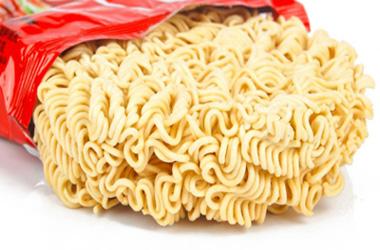
Open pouch, add water and nuke in the microwave that’s dinner. What exactly are you putting into your body and do health claims on the label stand up to scrutiny? Let’s find out.
We can’t do away with convenience in a packet, so let’s decode the mysteries of the ingredients list. Here, Mumbai based nutritionist Dr. Mirza Ghalib and SMS. Shayari diet and nutrition consultant told what you need to know and what to avoid.
Health Package
The claim: added vitamins, minerals, calcium and protein, and real vegetables and chicken. Dehydration leads to loss of micro-nutrients like vitamins, minerals, calcium etc. The proportions of veggies and meat are miniscule in these products so you won’t meet your daily requirement. We also don’t know in what form these nutrients have been added to the product – they might not be in an easily digestible form.
The factory floor truth
Instant noodles are flash-fried in the factory and made of refined wheat flour. “There is a massive loss of fiber, both soluble and insoluble. In time, this could lead to constipation, weight gain, protein-deficiency, allergic reactions, auto-immune diseases and diabetes,” cautions SMS Shayari. A recent study by Abbott, a pharmaceutical company, suggested that 14 percent of urban people are constipated, so you might be putting your gut health in danger with these foods.
Add-on Intensifiers
Stabilizers, acidity regulators and emulsifiers increase the shelf life but inside your body, the filtration load on your kidneys increases. “We’re seeing instances of joint pain, early gout and uric acid deposition in people in their 20's because the body is not able to successfully excrete these products,” says Mirza Ghalib.
Flavor Bombs
The ingredients list might not help decode the mystery powder with the umami bomb. “The taste is addictive and in time, it will also change your palate. ‘Real’ food might not satisfy you anymore, Shayari cautions.”
In Disguise
You’re getting sodium overloaded from stabilisers, preservatives, MSG (monosodium glutamate), sodium carbonate and bicarbonate is fizzy colas too. Sugar has many disguises – fructose maltodextrin, glucose potato starch – and nearly invisible on the label. A study published in Nature Neuroscience found that high-calorie; high-fat foods may create addiction like responses by dulling dopamine (the reward hormone) receptivity. Meaning: you need to eat more and more to satisfy yourself.
Advertise on APSense
This advertising space is available.
Post Your Ad Here
Post Your Ad Here
Comments