Maintaining Consistency: The Role of Pet Feeders in Feeding Routines
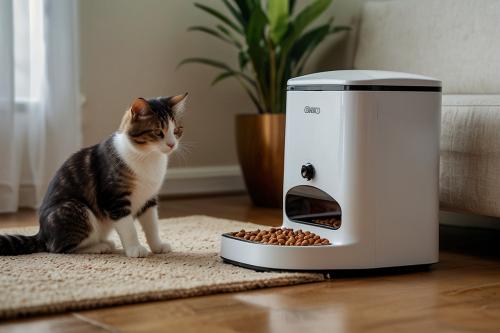
In today's fast-paced world, maintaining consistent feeding routines for our pets can be challenging. However, with the advancement of technology, pet feeders have emerged as valuable tools in ensuring our furry friends receive their meals on time. This article delves into the role of pet feeders in enhancing feeding routines, exploring different types of pet feeders, benefits, and expert insights.
Define the Concept of Pet Feeders
Pet feeders are automated devices designed to dispense food at scheduled times, eliminating the need for manual feeding by pet owners. These devices come in various forms, from basic gravity feeders to sophisticated programmable feeders equipped with advanced features.
Importance of Consistent Feeding Routines
Consistency in feeding schedules is crucial for pets' health and well-being. Irregular feeding patterns can lead to digestive issues, obesity, or behavioral problems in pets. Pet feeders offer a convenient solution to maintain consistent meal times, promoting a healthier lifestyle for our furry companions.
Types and Categories
Understanding the different types and categories of pet feeders is essential for choosing the right one for your pet's needs.
Gravity Feeders
Gravity feeders rely on the principle of gravity to dispense food into the pet's bowl. They are simple in design and suitable for free-feeding pets who can regulate their food intake.
Programmable Feeders
Programmable feeders allow pet owners to schedule specific feeding times and portion sizes for their pets. These feeders often feature customizable settings, such as meal frequency and portion control, providing precise control over feeding routines.
Smart Feeders
Smart feeders represent the latest innovation in pet feeding technology. These Wi-Fi-enabled devices can be controlled remotely via smartphone apps, allowing pet owners to monitor feeding schedules and receive notifications. Some smart feeders even feature built-in cameras for live video streaming and voice recording capabilities to comfort pets during meal times.
Symptoms and Signs
Recognizing the signs of irregular feeding patterns can help address potential issues before they escalate.
Weight Fluctuations
Inconsistent feeding schedules may contribute to weight fluctuations in pets, leading to obesity or malnutrition. Monitoring your pet's weight regularly can help identify any significant changes that may indicate feeding-related issues.
Behavioral Changes
Pets may exhibit changes in behavior, such as increased agitation or food aggression, if their feeding routines are disrupted. These behavioral changes can be indicative of underlying stress or anxiety caused by inconsistent meal times.
Digestive Problems
Irregular feeding patterns can disrupt pets' digestive systems, resulting in gastrointestinal issues such as vomiting, diarrhea, or constipation. Maintaining a consistent feeding schedule can help regulate their digestive processes and prevent such problems.
Causes and Risk Factors
Several factors can contribute to irregular feeding routines for pets, ranging from lifestyle factors to environmental influences.
Busy Schedules
Busy lifestyles and hectic work schedules may hinder pet owners' ability to adhere to consistent feeding times for their pets. Pet feeders offer a convenient solution for ensuring pets receive their meals punctually, regardless of their owners' availability.
Multiple Pet Households
In households with multiple pets, establishing and maintaining individual feeding routines can be challenging. Pet feeders with multiple compartments or customizable settings can help accommodate the diverse needs of each pet, promoting harmony and preventing conflicts during meal times.
Travel or Absence
Traveling or being away from home can disrupt pets' feeding schedules, causing stress and anxiety. Smart pet feeders equipped with remote monitoring and feeding capabilities enable pet owners to maintain feeding routines even when they're away, providing reassurance and peace of mind.
Diagnosis and Tests
Diagnosing feeding-related issues in pets often requires careful observation and monitoring of their behavior and health.
Observation
Pet owners should observe their pets' eating habits, appetite, and demeanor to identify any irregularities or changes in behavior that may indicate feeding-related issues. Keeping a feeding diary or log can help track meal times and portion sizes, aiding in the diagnostic process.
Veterinary Consultation
Post Your Ad Here
Comments