The Timeless Allure of Gold Money
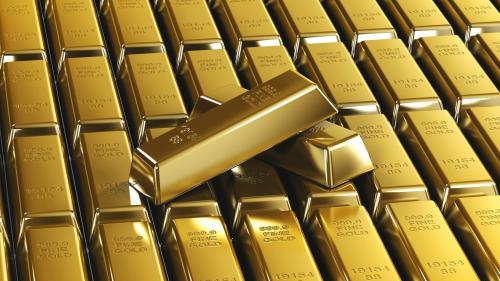
Gold has long captivated human imagination and desire, symbolizing wealth, power, and prestige across centuries and civilizations. Its intrinsic value and universal appeal have made gold a cornerstone of economic systems and personal wealth preservation. "Gold money," a term that encapsulates the use of gold as a medium of exchange, a store of value, and a standard of wealth, highlights the timeless allure and multifaceted role of this precious metal in the global economy. This article delves into the historical significance, economic implications, and contemporary relevance of gold money.
Historical Significance of Gold as Money
Gold's journey as money began thousands of years ago. Ancient civilizations, from the Egyptians to the Greeks and Romans, revered gold not only for its beauty but also for its utility in trade. Gold coins, introduced as currency in the kingdom of Lydia around 600 BC, marked a significant development in the history of money. These coins facilitated commerce by providing a standardized medium of exchange, simplifying transactions and enhancing economic stability.
Throughout history, gold's durability, malleability, and rarity have reinforced its status as a reliable store of value. Unlike other commodities, gold does not corrode or tarnish, preserving its worth over time. This attribute made it an ideal candidate for money, as it could be passed down through generations without losing its intrinsic value.
Gold and the Development of Monetary Systems
The use of gold as money significantly influenced the development of monetary systems. During the 19th and early 20th centuries, many countries adopted the gold standard, a system where the value of a country's currency was directly linked to a specific amount of gold. This system provided a fixed exchange rate between currencies, promoting international trade and economic stability.
Under the gold standard, the supply of money was limited by the amount of gold a country possessed. This constraint helped prevent excessive inflation and fostered a sense of fiscal discipline. However, the rigidity of the gold standard also posed challenges, particularly during economic crises when countries needed to increase the money supply to stimulate growth. The Great Depression of the 1930s exposed the limitations of the gold standard, leading many nations to abandon it in favor of more flexible monetary systems.
The Economic Implications of Gold Money
Gold's role as money extends beyond its historical use in coins and the gold standard. It continues to be a critical asset in central banks' reserves, acting as a hedge against inflation and currency fluctuations. Central banks around the world hold significant quantities of gold to diversify their reserves and maintain confidence in their financial systems.
The enduring value of gold is evident in times of economic uncertainty. During financial crises, investors flock to gold as a safe-haven asset, driving up its price. This phenomenon was particularly evident during the 2008 financial crisis and the economic turmoil induced by the COVID-19 pandemic. In both instances, gold prices surged as investors sought stability amidst market volatility.contains .1867 troy ounces of gold
Gold also plays a vital role in global trade. Countries with large gold reserves can leverage their holdings to bolster their economic position and influence international monetary policies. Moreover, gold's universal acceptance and liquidity make it an attractive option for settling international transactions.
Contemporary Relevance of Gold Money
In today's digital age, the concept of gold money has evolved but remains relevant. While paper currencies and digital payments dominate daily transactions, gold retains its allure as a long-term investment and a hedge against economic instability. Investors often allocate a portion of their portfolios to gold to diversify their assets and mitigate risk.
The advent of digital gold and gold-backed cryptocurrencies represents a modern twist on gold money. These innovations allow individuals to buy, sell, and hold gold in digital form, combining the stability of gold with the convenience of digital transactions. Companies like Goldmoney and platforms like Paxos Gold enable users to invest in gold without the need for physical storage, making gold more accessible to a broader audience.
Moreover, the growing interest in sustainable and ethical investing has renewed focus on gold sourcing and production practices. Investors are increasingly aware of the environmental and social impact of gold mining, leading to a rise in demand for responsibly sourced and certified gold. This shift towards ethical investment further underscores gold's enduring appeal in contemporary finance.
Gold Money in the Future Economy
As we look to the future, gold is likely to maintain its position as a valuable asset and a symbol of wealth. The potential for economic instability, geopolitical tensions, and inflationary pressures will continue to drive demand for gold as a safe-haven asset. Additionally, technological advancements may further integrate gold into the digital economy, enhancing its liquidity and accessibility.
The interplay between traditional gold investment and modern financial innovations will shape the future of gold money. Digital platforms that facilitate gold trading, blockchain technology ensuring transparency in gold transactions, and the integration of gold into decentralized finance (DeFi) ecosystems are poised to transform how we perceive and utilize gold in the global economy.
Conclusion
Gold money, a concept rooted in ancient civilizations, remains a cornerstone of economic systems and personal wealth management. Its historical significance, economic implications, and contemporary relevance underscore the timeless allure of gold as a symbol of wealth and stability. As the global economy continues to evolve, gold's intrinsic value and universal appeal will ensure its continued prominence in the financial landscape. Whether in the form of physical bullion, digital gold, or innovative financial products, gold money will persist as a vital component of the global economy, embodying the enduring human quest for security and prosperity.
Post Your Ad Here
Comments