Exterminator or Prevention Plan? When to Call and What to Expect
Deciding Between DIY Prevention and Professional Help
Most pest problems start small—an ant trail in the kitchen, a mouse in the garage, or a few flying insects near a window. These early signs often leave homeowners wondering whether to handle the issue themselves or call an exterminator. The decision can be tricky: some problems are easily managed with prevention, while others demand professional expertise.
Understanding the difference saves time, money, and frustration. Pests multiply quickly, and the longer they remain untreated, the harder they are to remove. The key is knowing when prevention is enough and when professional intervention becomes necessary.
According to Agile Pest Control, the right approach depends on three factors: the type of pest, the scale of the problem, and how long it has been present. Knowing what to expect from both prevention and extermination services helps homeowners make smart, timely decisions.
When Prevention Works Best
Preventive pest control focuses on stopping infestations before they start. It includes regular cleaning, proper food storage, sealing entry points, and managing moisture levels. These habits make homes less inviting to pests by removing food, water, and shelter—the three essentials they need to survive.
For mild, seasonal pests like a few ants or flies, prevention alone can often resolve the issue. Keeping countertops clean, repairing leaks, and using tightly sealed containers are simple yet effective measures. Trimming vegetation and storing firewood away from walls further reduces access points.
Prevention also plays an important role after professional treatments. Maintaining clean, dry, and sealed environments keeps future infestations from returning. While these steps may seem basic, consistency is what makes them successful.
Signs That It’s Time to Call an Exterminator
Some pest problems are too advanced for prevention alone. When infestations are recurring, widespread, or potentially hazardous, it’s time to contact a professional. Warning signs include:
Droppings, nests, or gnaw marks
Persistent activity despite cleaning
Noises coming from walls or ceilings
Unexplained bites or allergic reactions
Visible structural damage or hollow wood
If any of these appear, the infestation has likely spread beyond reach of store-bought sprays or traps. Certain pests—like termites, rodents, and bed bugs—require specialized tools and techniques to remove safely. Attempting to manage these issues alone often worsens the problem.
Agile Pest Control recommends scheduling an inspection at the first sign of consistent pest activity. Early intervention limits damage and keeps treatment costs lower.
What an Exterminator Really Does
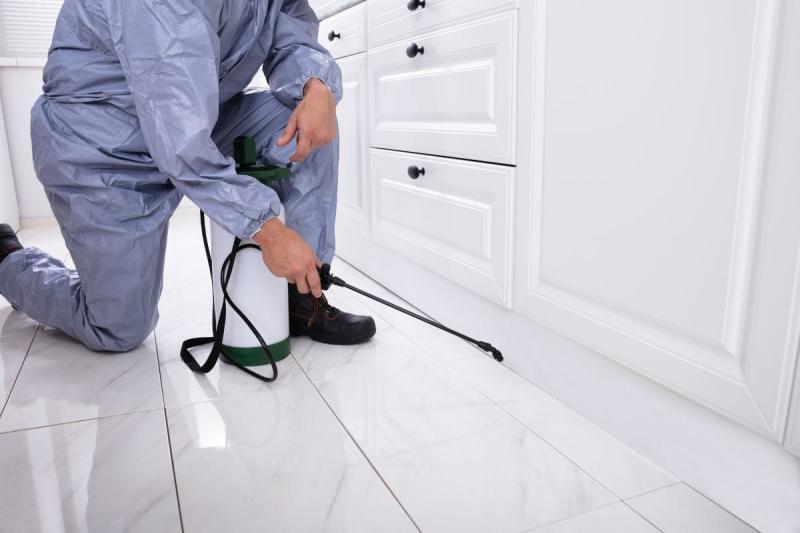
Many people think extermination simply means spraying chemicals, but the process is far more comprehensive. A professional inspection identifies not only the pests but also the environmental conditions that allow them to thrive. Exterminators look for moisture sources, entry points, and nesting sites, using specialized tools to detect hidden activity.
Once the inspection is complete, a tailored treatment plan is created. Depending on the species, it may include traps, baits, exclusion work, or targeted applications designed to eliminate entire colonies. Follow-up visits are often scheduled to ensure that the problem is fully resolved.
An exterminator’s goal isn’t just removal—it’s prevention. Professionals also educate homeowners on steps to keep pests from returning, ensuring that treatment provides long-term protection.
The Benefits of Professional Expertise
Hiring an exterminator offers more than just convenience. Professionals have the training and equipment to handle infestations safely and effectively. They understand pest behavior, use regulated products, and tailor treatments to minimize risk to people and pets.
DIY approaches, on the other hand, often rely on guesswork. Misidentifying the pest or using the wrong product can make infestations worse. For example, treating carpenter ants like common ants may leave the colony intact, while incorrect rodent control can drive them deeper into walls.
Professional exterminators eliminate uncertainty. Their methods target pests at the source, providing results that are both faster and longer lasting.
The Role of Inspections in Prevention
Inspections are one of the most valuable yet overlooked aspects of pest control. Even if there are no visible pests, a professional assessment can reveal vulnerabilities before they become infestations. Cracks in foundations, moisture buildup, and overgrown vegetation are all early indicators that attract pests.
Regular inspections—ideally once or twice a year—help homeowners stay ahead of potential problems. The cost of an inspection is minor compared to the expense of major repairs caused by unchecked infestations.
Agile Pest Control encourages routine inspections as part of a comprehensive prevention plan. A proactive approach keeps homes healthier and reduces the likelihood of emergency treatments later on.
How to Prepare for an Exterminator Visit
Preparation ensures that the inspection or treatment goes smoothly. Homeowners should clear clutter, move furniture away from walls, and provide access to basements, attics, and utility areas. If pests have been spotted, note where and when activity occurs—these details help technicians pinpoint problem zones.
After treatment, follow instructions carefully. Depending on the pest type, this may include staying out of treated areas temporarily, cleaning surfaces, or sealing cracks. Cooperation between the homeowner and the exterminator leads to more effective and lasting results.
When Monitoring Is Enough
Not every pest problem requires immediate treatment. In some cases, monitoring is the best course of action. For instance, occasional outdoor ants or a single moth indoors might not indicate an infestation. Placing traps, checking entry points, and keeping records of sightings help determine whether activity is increasing.
If the issue escalates, the collected information gives exterminators a clear starting point for diagnosis and treatment. Monitoring also helps homeowners differentiate between seasonal intrusions and recurring infestations.
Balancing Cost, Convenience, and Risk
Some homeowners delay calling a professional because of cost concerns. However, waiting often makes infestations worse—and more expensive to fix. Termite or rodent damage can quickly exceed the cost of early intervention.
Preventive treatments and regular inspections are far more affordable in the long run. They minimize the risk of extensive damage and the stress of emergency repairs. Pest control should be viewed as an investment in property protection and peace of mind.
Agile Pest Control highlights that the cost of prevention is always less than the cost of restoration. Acting early not only saves money but also ensures a healthier, pest-free home.
Conclusion: Prevention and Professional Help Go Hand in Hand
Deciding between prevention and extermination doesn’t have to be complicated. Prevention is the first line of defense, but professional help becomes essential when pests gain a foothold. Knowing when to transition from DIY measures to expert solutions ensures the best outcome.
By combining regular inspections, sound prevention habits, and timely professional intervention, homeowners can maintain lasting protection against unwanted intruders. Agile Pest Control provides the expertise and strategies needed to strike that balance—offering not just pest removal, but peace of mind.
Post Your Ad Here
Comments