The Interview: The Before, During and After
If you are an experienced professional with higher academic background or in-demand skill, does that make you an appropriate candidate for the job? The solution can vary. Getting right group of abilities or experience doesn't necessary mean you'd be hired in the organization. Abilities and experience are just area of the puzzle the HR department try to work through. What exactly helps make the whole puzzle? What exactly are other activities that count within an interview? A pie chart can certainly explain you that but, how big the pie, varies from business to business. Some companies may prioritize or give weightage to academic qualifications however some may consider his abilities.
Listed here are the variables which are considered while evaluating a job candidate:
- Academic qualifications,
- References,
- Abilities and experience,
- Adaptability,
- Attitude &
- Company's objective versus your job goals.
When working on writing your Resume, always make certain to focus on the above mentioned points. Add some reference list in the end of the resume, but make certain they are offered to reply just in case someone contacts them.
However, this, only makes 40% of your evaluation. The rest of the 60% of evaluation is performed during the time of a job interview.
Many people say interview is really a first impression of the candidate, however as being a definite HR professional myself, I'd negate that thought. The very first impression is the resume covering greater than 40% of the evaluation. A properly thought and graphic resume always causes it to be the surface of the list to have an interview call. Let's write down the necessities for before, during and after a job interview:
Pre- interview:
Resume: Create a stunning and captivating resume and show it to some to recognize any possibility of mistakes. You should also learn it by heart, because the interviewer can request any kind of question, according to your resume. It produces a very bad impression when an individual who doesn't understand what he has designed in his CV.
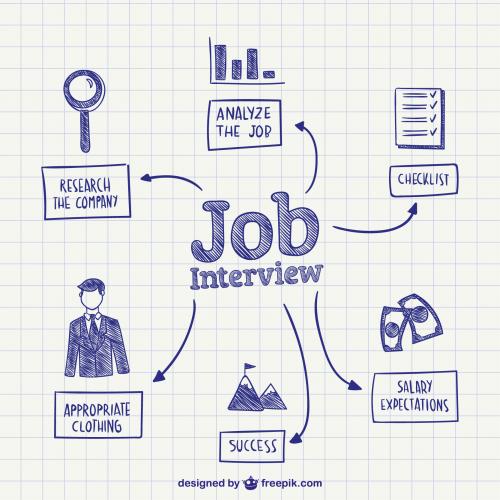
Research about the organization: prior to going to have an interview, search about the organization on the internet. Their business unit, their branches and the most typical questions they request within an interview. By doing this, you may also request questions according to your understanding about the organization and believe me, it is usually appreciated. Feel the web and find out what others are saying concerning the firm, the dress code and so forth.
Your Ultimate Goal: the most typical question which a job interview can request is all about your objectives, or the reason why you think you're appropriate with this job. Remember, do feel the job position you're using for. Share your past encounters and concepts which you'll implement within this company.
Arrive early: It is really an interesting one. How early should you come to a job interview? Most candidates come too soon for an interview which isn't only bad, but it is bad in addition for the organization as well. Always arrive ten to fifteen minutes early. By doing this you wouldn't function as the one saying you anxiously awaited an excessive amount of time for the interview.
The job interview:
It's about body language: Maintaining an optimistic body gesture is essential within an interview. The body talks greater than you within an interview. The way you speak, sit and are available inside a room counts as body gestures. Did you request before you decide to sit? Are your hands below or above the table? These are all sings the interviewer is searching for. An indication: make certain you don't shake your legs, this is actually the first indication of anxiety. Just sing a little inside your heart, it'll certainly calm you down.
Listen and respond: don't let yourself be too eager to reply to an issue. Listen carefully exactly what the interviewer needs to say, have a stop and then respond. Breaking someone when they are speaking is really a bad habit, so if you're certainly one of those individuals, attempt to change it out, or at least manage it within an interview.
Concentrate on positive: always find an optimistic way to reply to any queries relating to your previous employer or perhaps your co-workers there. You don't want the interviewer to consider that you don't like anyone and the same may happen whenever you leave every other company. One such real question is why you are searching for another job, if you have one? If you maintain positivity you are able to answer this as "I have many learned useful stuff from my job, however I plan to learn more by switching job to some multinational"
Request: Believe me, nobody likes an employee who does not request questions. Ask concerning the job, company and also the work atmosphere. Prove to them your interest for the job. Do not concern yourself an excessive amount about compensation at this time.
Post-Interview:
Saying thanks: Be grateful for the interviewer to provide you with the chance to have an interview. Use little phrases for example "thank you for the time", "It was informative talking to you", "Hope we are able to discuss the problem at length one day". It is good to thank someone of their time so take the time, because it leaves an effect.
Response time: Don't hesitate or get excited to request for any time relating to your job position. Always make certain to follow-up, couple of days following the timeline provided to you.
Make sure to add points that you simply experience during your life. Interview styles are altering and you should to adapt to what's presently being practiced in the market. Reading through, about the organization on the internet is usually a good idea because it informs you which common questions are requested.
Have a happy interview!
Post Your Ad Here
Comments