The importance of patient-provider communication
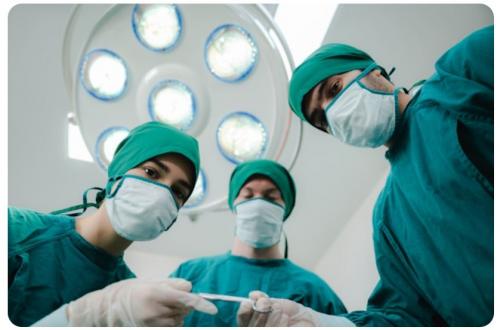
In healthcare, good communication is vital. It helps the flow of information and ensures high-quality patient care. The core of medicine lies in the medications prescribed and procedures undergone and how patients and healthcare providers communicate during the entire consultation or treatment.
Why is communication important in healthcare?
Medicine is renowned for the personal connection between patients and healthcare providers. This complex process goes beyond simply sharing information. It establishes trust, comprehension, and a mutual dedication to achieving positive health results. Clear communication is vital. It helps gather crucial information for precise diagnoses, counseling, and building relationships with patients.
However, this can be quite challenging. Research indicates a disparity between the expectations of patients and the actual communication they experience with healthcare providers. Many patients express dissatisfaction even when providers believe the communication was sufficient. This disconnection shows the need to improve communication. It should focus on the technical side of healthcare and patients' emotions and psychology.
The focus on patient-centered care highlights the significance of collaborative decision-making and recognizes the patient's active participation in their healthcare journey. We can strive for a healthcare model that strongly emphasizes the patient's perspective, encouraging transparent, sincere, and compassionate communication.
Examples of poor communication
By examining where communication falters, we can unravel the threads that lead to misunderstanding, fear, and dissatisfaction among patients. Here are some identified areas of poor communication, with examples to illustrate the impact and underscore the need for change.
Misunderstood medical jargon
Patients often need help understanding healthcare professionals' complex terminology, leading to confusion and misinterpretation.
Example: A patient diagnosed with hypertension is told they have "essential hypertension" and require "antihypertensive medication." Without further explanation, the patient misunderstands "essential" to mean not serious and decides the medication isn't necessary, leading to unmanaged blood pressure and increased risk of heart disease.
Lack of empathy
Failing to recognize or address the patient's fears and concerns can lead to a feeling of neglect or indifference.
Example: After receiving a cancer diagnosis, a patient is bombarded with information about treatment options, statistics, and schedules. The provider focuses on the clinical details, fails to notice the patient's growing distress, and doesn't offer comfort or ask about their feelings. The patient feels overwhelmed and isolated, questioning whether their emotional well-being concerns their healthcare team.
Inadequate information on treatment plans
Patients frequently leave consultations without understanding their treatment options, side effects, and expected outcomes.
Example: A patient undergoing knee replacement surgery is given a brief overview of the procedure and recovery timeline but receives no detailed information on post-operative care, physical therapy requirements, or pain management strategies. Post-surgery, the patient struggles with pain control, is unsure when to start physical therapy, and has unrealistic expectations about their recovery speed, leading to frustration and a potential delay in their recovery.
How to improve patient-provider communication
Enhancing patient care and satisfaction hinges on improving communication between patients and providers. This task is complex. It needs a team approach across different parts of the healthcare system. Here are effective strategies to enhance this vital aspect of healthcare:
Teach providers how to narrate patient care
Explaining patient care means giving a thorough, simple description of each step in treatment or diagnosis. This gives patients the knowledge to anticipate each stage. Healthcare providers must assess and improve their communication. They should tailor their methods to fit each patient's needs, preferences, and backgrounds.
To do this well, we must develop training programs. They will improve providers' skills in explaining procedures and treatments. Also, it would help to encourage healthcare providers to use analogies and visual aids. These tools simplify complex procedures and treatments.
Reassure and alleviate fears
Providing reassurance is crucial to effective communication between patients and healthcare providers. Unease and worry can deeply affect a patient's experience. They shape how patients see the care they get, which, in turn, may influence their treatment's results. Healthcare professionals can help alleviate these emotions by giving patients clear and reassuring explanations about what they can anticipate, demystifying any uncertainties surrounding medical procedures.
This approach also requires providers to introduce themselves professionally and show warmth and empathy. By showing confidence in the care plan and sincere concern for the patient's well-being, healthcare professionals can create a healing and comforting space.
Address cultural factors
To talk well in medicine, you need a deep appreciation for and sensitivity to diverse cultures. Individuals' cultural beliefs and values can profoundly impact their health, illness, and treatment perspectives. Providers need to admit and overcome obstacles related to culture and language. These obstacles could impede communication. This means educating healthcare providers on cultural competence. It also means giving them the skills to interact with patients in a considerate way that is aware of cultural variations.
Understanding health information and instructions can be challenging for individuals with limited knowledge in the field. Adapting communication strategies to cater to these variations helps. This can be done by using simpler language or offering translated resources. It can greatly improve understanding and compliance with treatment plans.
Coordinate discharge and follow-up processes
The period following a patient's discharge from care is an important time to ensure that their care is seamless and to prevent any need for readmissions. Effective communication regarding post-care instructions and follow-up is crucial. One way to accomplish this is by using clear, straightforward language in discharge instructions. Visual aids can also help convey information.
Another good method is the teach-back approach. Patients are encouraged to repeat the information in their own words to ensure they understand it. Healthcare providers need to ensure that patients have a designated contact. This person will handle any inquiries that may come up after the patient leaves the facility. Also, patients should know how to get more medical help if needed.
Doing this requires a full approach. It includes ongoing training for healthcare providers. It also involves adding patient-centered communication to the core of care. And using technology to boost and improve communication. By stressing better patient-provider communication, healthcare organizations can raise care standards. They can also boost patient satisfaction and create a more interactive and cooperative healthcare atmosphere.
Using technology to enhance communication
Adding technology to healthcare has changed how patients and providers talk. It breaks down barriers and opens new ways to interact. This digital transformation offers many chances to improve patient-provider communication. It will make healthcare more accessible, personalized, and patient-centered.
Electronic Health Records (EHRs)
Electronic Health Records (EHRs) stand at the forefront of this technological revolution. EHRs provide a comprehensive and instantaneous view of a patient's medical history, treatments, and test results. This transparency ensures that patients and providers have access to the same information. It helps a more informed and collaborative decision-making process. For example, patients can easily review their medical history before a consultation. This allows for a more focused talk with their healthcare provider.
Telehealth services
Telehealth services have become a critical tool. They improve communication between patients and providers. This is especially true in areas with limited access to healthcare. By allowing consultations via video conferencing, telehealth platforms eliminate geographical barriers, enabling patients to consult with specialists regardless of location. This not only saves time but also ensures that patients can receive timely medical advice without the need for physical travel. An example of telehealth's impact is seen in rural communities, where patients can now access specialist care that was previously unavailable to them, leading to better health outcomes.
Patient portals
Patient portals are another technological innovation that improves communication. These digital platforms give patients 24/7 access to their health information. They can use them to schedule appointments, refill prescriptions, and message their healthcare providers. Patient portal software makes it easier to access health information and services. They empower patients to manage their health actively. For instance, patients can track their blood pressure over time. They can share it with their doctor in virtual consultations. This improves care by sharing better information.
Mobile health apps
Mobile health apps have also played a significant role in improving patient-provider communication. These apps can track health metrics, remind patients to take their medication and provide health tips, fostering a continuous connection between patients and healthcare providers. For example, diabetes management apps let patients log their daily blood sugar levels, diet, and exercise. They can then share this data with their healthcare provider. This sharing enables real-time monitoring and changes to treatment plans.
Technology offers a plethora of tools to enhance patient-provider communication. The healthcare industry can provide more effective, efficient, and personalized care by leveraging EHRs, telehealth services, patient portals, and mobile health apps. This digital shift improves healthcare access. It also fosters a stronger, more informed partnership between patients and providers. This ultimately leads to better health outcomes.
Improve your communication now with Carepatron
Ultimately, better health outcomes depend on how well patients and healthcare professionals talk. It's a challenging path that requires healthcare professionals to learn, show empathy, and adapt constantly. With Carepatron, you can make a significant advancement in this journey.
Their cutting-edge dictation software equips healthcare teams with powerful tools to facilitate precise, reliable, and streamlined communication, ultimately elevating the quality of patient care and satisfaction. Enhance your practice with Carepatron and become part of a community of healthcare providers prioritising exceptional patient-provider communication.


Post Your Ad Here
Comments