The Evolution of Digital Museums: From the Guided Tours to the Virtual Reality Experiences
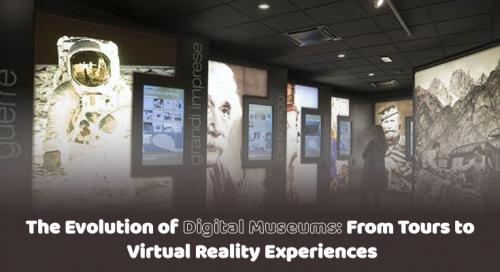
The concept of digital museums has changed the experience of art, history, and culture in the contemporary world. Due to advancements in technology, the conventional ways of carrying out tours in museums have been shifted to virtual reality. This change has brought about not only the issue of accessibility but also the general experience of the visitors. As revealed by the survey conducted among members of the International Council of Museums, 85 percent of museums across the globe have Internet representation, and 64 percent of them present online exhibitions. This blog post aims at tracing the development of digital museums, and the main trends and concepts that have defined the shift of museums into the digital environment.
Early Beginnings: Virtual Tours and Online Exhibitions
The First Steps
In the early part of the twenty-first century, museums started to expand their operations into the digital world through virtual tours and virtual exhibitions. These early efforts were rather limited in their scope and sought to give the viewer a general idea of the museum’s collections and displays, usually in the form of still photographs and brief textual captions. This was the starting point of the new age of museum interaction since individuals could now get the cultural materials from any part of the world.
Challenges and Limitations
Nonetheless, these early digital initiatives had some difficulties. The available bandwidth and outdated technology posed a challenge on the quality of the online experience, and in turn, the ability of the visitors to interact with the content. Moreover, since the museum did not allow audience interaction and the incorporation of tangible elements, visitors felt quite detached from the space surrounding them.
The Rise of Virtual Reality
The introduction of virtual reality technology can be considered as one of the most important developments in the context of digital museums. VR allowed the museums to provide the visitors with a possible realistic experience of the exhibition. This new level of engagement allowed the visitors to view and engage with cultural objects in ways they could not have fathered before.
Key Innovations
Several key innovations have driven the growth of VR in museums:Several key innovations have driven the growth of VR in museums:
360-Degree Views: Enabling the visitors to move around the exhibits and view them from different angles thus creating the feel of being in the exhibit.
Interactive Elements: Allowing the visitors to interconnect with artifacts by touch, voice, and or/ gestures.
Real-Time Updates: Allowing the museums to update their content and exhibitions on a real-time basis and thus, ensuring that the visitors are well informed.
The Future of Digital Museums: Trends and Predictions
Emerging Trends
Several trends are shaping the future of digital museums:Several trends are shaping the future of digital museums:
- Artificial Intelligence: Chatbots and virtual assistants with the use of artificial intelligence are also improving the visitor experience through recommendations and information.
- Augmented Reality: AR is already being incorporated into a variety of applications for the purpose of combining real and virtual environments.
- Social Media Integration: Museums are using social media to interact with audiences, post content, and create user-generated content.
Predictions
As digital museums continue to evolve, we can expect to see the following developments in the near future
Increased Accessibility: It is predicted that the digital museums will become more easily accessible, and VR and AR will be used on many devices.
- Enhanced Interactivity: Museums will continue to increase the level of interactivity and will use such methods as gamification and social media sharing.
- New Business Models: The digital museums will search for new sources of income like pay-per-view and sponsored content.
Conclusion
There has been a noticeable change regarding the development of digital museums, which has been characterized by various … From virtual tours at the early stage of the Internet to the use of VR technology, Museums have adjusted to technological advancement. Thus, as the concept of digital museums is still developing, it is possible to witness still more interesting and innovative approaches and changes in interaction with art, history, and culture.
Post Your Ad Here
Comments