Thai Visa: An Overview on Different Visa to Thailand
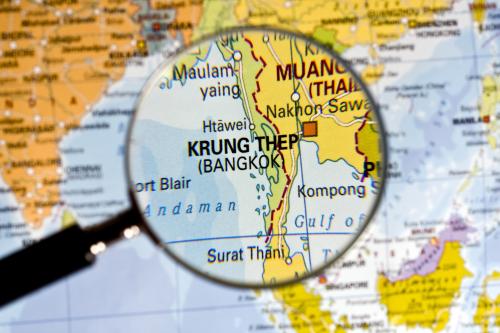
Foreigners come to Thailand for a number of reasons: to tour, invest, study, retire, seek medical treatment, or even find love. Thailand welcomes expats from different walks of life.
A foreigner who is planning to visit Thailand needs to find the most appropriate visa for him, the one that best suit his need, purpose of stay in Thailand, and individual's circumstance.
Visa Options to Thailand for Foreigners
Visa-on-Arrival
The “visa on arrival” applies to citizens of several countries mostly coming from nations without a Thai consulate, who are given a 15-day visa stamp upon arrival in Thailand. Under Visa on Arrival scheme, visa is stamped on the passport by an immigration officer upon arrival at the airport.
Please note that this is different from Visa Exemption category wherein the nationals of some countries may enter Thailand without a visa. Citizens from certain countries under the Visa Exemption Scheme can enter Thailand for 30 days without a visa.
There is also the Bilateral Agreement wherein some countries get the longest period of stay stamped on their passports which is 90 days. Examples are nationals from Argentina, Brazil, Chile, Republic of Korea, Peru. This is specifically intended for short-term purposes like tourism, medical assistance and business trips.
Tourist Visa
Those who intend to stay longer in Thailand on top of the number of days allowed per nationality under the Visa on Arrival or Visa Exemption scheme must apply for a tourist visa at the Thai embassy or consulate in their home countries. It allows an uninterrupted stay for up to 90 days meaning there is no need to leave the country within that period. Holders of a Thai tourist visa are not allowed to work or conduct business in Thailand.
Non-immigrant Visa
This Thai visa is issued to people who desire to do any of the following: do business in Thailand; to be with a Spouse who is a Thai citizen, a non-Thai working in the country, or a non-Thai currently on a retirement visa in Thailand; planning to work in Thailand. This is a 90-day visa and is extendable to one year.
Specific requirements for these three sub-types of non-immigrant visas (Non-Immigrant “B”; Non-Immigrant “O”; Non-Immigrant “O-A” vary.
Education Visa
This is also known as the Type ED visa. It grants one year stay in Thailand if obtained in the home country or a country of residence of the holder. Those who are already in Thailand on a tourist visa yet wants to study must first get a 90-day non-immigrant visa which can be converted into a one year ED visa.
Marriage Visa
Retirement Visa

Post Your Ad Here
Comments (2)
Rachel Pachica2
Consultant
For your inquiries contact us at +662 259 8100 or send us an email: info@siam-legal.com
Waqar Ahmad14
Education Consultant
Nice Article for Visa Consultants I ll must contact you for some queries soon :)