Stone Crusher Plant Price Trends: Insights for Budgeting and Planning
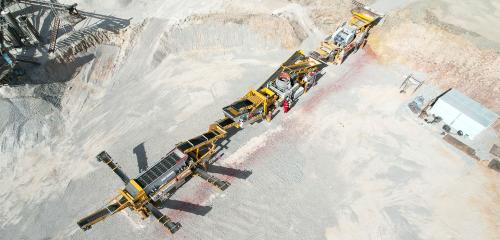
In the realm of construction and mining, stone crusher plants serve as essential infrastructure for various projects. Understanding the trends in stone crusher plant prices is crucial for effective budgeting and planning, as it impacts project feasibility, investment decisions, and overall cost management. This article delves into the key insights surrounding stone crusher plant price trends and offers valuable considerations for budgeting and planning.
Understanding the Dynamics of Stone Crusher Plant Prices
Stone crusher plant prices are influenced by a myriad of factors, including market demand, raw material availability, labor costs, regulatory requirements, and technological advancements. These factors contribute to the fluctuations observed in stone crusher plant prices over time. By examining these dynamics, stakeholders can gain valuable insights into the underlying trends and make informed decisions.

Market Demand and Supply Dynamics
Market demand for stone crusher plants fluctuates based on various factors such as infrastructure development projects, construction activities, and the overall economic climate. During periods of high demand, prices tend to rise as suppliers capitalize on increased market opportunities. Conversely, during periods of low demand, prices may stabilize or decrease as suppliers adjust their pricing strategies to remain competitive.
Raw Material Costs and Availability
Raw materials such as aggregates, sand, gravel, and stones constitute a significant portion of the production cost for basalt crushing plants. Fluctuations in raw material prices and availability can directly impact the overall cost of production and, consequently, the selling price of the finished product. Suppliers must closely monitor raw material markets and negotiate favorable pricing agreements to mitigate cost fluctuations.
Labor Costs and Productivity
Labor costs play a crucial role in determining the overall cost structure of stone crusher plant operations. Skilled labor is required for various tasks, including quarrying, crushing, screening, and maintenance activities. Wage rates, labor regulations, and productivity levels influence labor costs and, consequently, the cost per unit of production. Implementing efficient labor management practices and investing in training programs can enhance productivity and mitigate labor cost escalation.
Regulatory Compliance and Environmental Standards
Stringent regulatory requirements and environmental standards impose additional costs on stone crusher plant operations. Compliance with permits, licenses, emissions standards, and safety regulations necessitates investments in equipment, infrastructure, and personnel training. Failure to adhere to regulatory requirements can result in penalties, fines, and reputational damage, underscoring the importance of proactive compliance management.
Technological Advancements and Innovation
Advancements in crushing technology and equipment design have the potential to optimize plant performance, reduce operating costs, and enhance product quality. Investing in innovative crushing solutions, such as automation, remote monitoring, and energy-efficient equipment, can yield long-term cost savings and competitive advantages. Manufacturers and operators should stay abreast of technological trends and assess the feasibility of adopting new technologies to improve operational efficiency and profitability.

Considerations for Budgeting and Planning
When budgeting and planning for stone crusher plant projects, stakeholders should consider the following key factors:
Conducting thorough market analysis to understand demand trends and the competitive landscape.
Establishing realistic cost projections based on raw material prices, labor rates, and regulatory compliance costs.
Evaluating the potential impact of technology investments on operational efficiency and long-term profitability.
Implementing risk management strategies to mitigate unforeseen cost escalations and market uncertainties.
By leveraging insights into stone crusher plant price trends and adopting proactive planning measures, stakeholders can optimize project outcomes, mitigate financial risks, and capitalize on emerging opportunities in the construction and mining sectors.
Conclusion
Stone crusher plant price trends reflect the dynamic interplay of market forces, regulatory requirements, technological advancements, and operational considerations. By understanding these trends and factors influencing pricing dynamics, stakeholders can make informed decisions and effectively navigate the complexities of budgeting and planning for stone crusher plant projects. As the industry continues to evolve, proactive planning and strategic investment will be essential to drive sustainable growth and competitiveness in the marketplace.
Advertise on APSense
This advertising space is available.
Post Your Ad Here
Post Your Ad Here
Comments