Step-By-Step Breakdown: What To Expect During A Root Canal In Dearborn
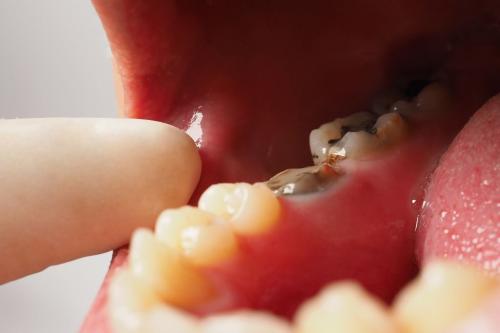
Root canals are often viewed with trepidation, but understanding the procedure can significantly alleviate any anxiety. This step-by-step guide will walk you through what to expect during a root canal in Dearborn, from the initial consultation to post-treatment care.
7 Key Experiences of a Root Canal Procedure
Embarking on a root canal journey can be daunting, but understanding the process is key to easing anxiety. From diagnosis to aftercare, this guide provides a roadmap for what to expect during a root canal Dearborn.

Let’s navigate the steps together for a smoother dental experience.
Initial Consultation and Diagnosis
The first step in the root canal process is the initial consultation and diagnosis. During this appointment, your dentist will thoroughly examine your teeth and gums. This may include:
X-Rays
To determine the extent of the infection and damage to the tooth.
Symptoms Discussion
The dentist will ask about your symptoms, such as pain, sensitivity, and swelling.
Visual Examination
Inspecting the affected tooth and surrounding area for signs of decay and infection.
The dentist will use this information to confirm whether a root canal is necessary. If confirmed, they will explain the procedure, discuss any concerns you might have, and schedule the treatment.
Anesthesia and Preparation
On the day of the root canal, the process begins with administering anesthesia to ensure you are comfortable and pain-free. Here’s what happens:
Local Anesthesia
A numbing agent is applied to the gums near the affected tooth, followed by an injection to numb the tooth and surrounding tissue.
Isolation
A rubber dam is placed around the tooth to keep it dry and free from saliva during the procedure.
This step ensures that you will not feel any pain during the root canal, though you may feel some pressure or movement.
Accessing the Tooth and Cleaning the Canals
Once the area is numb, the dentist will proceed with the following steps:
Access Hole
A small hole is drilled into the top of the tooth to reach the pulp chamber and root canals.
Removing the Infected Pulp
Using specialized tools, the dentist will remove the infected or damaged pulp from inside the tooth.
Cleaning and Shaping
The canals are thoroughly cleaned to remove any remaining debris and bacteria. The dentist will then shape the canals to prepare them for filling.
This part of the procedure is crucial for eliminating the infection and preventing future complications.
Filling the Canals and Sealing the Tooth
After the canals are cleaned and shaped, the next step is to fill and seal them:
Filling the Canals
The dentist fills the cleaned canals with a biocompatible material called gutta-percha. This rubber-like material seals the canals and prevents bacteria from re-entering.
Temporary Filling
A temporary filling is placed in the access hole to protect the tooth until a permanent restoration can be made.
This ensures that the tooth is sealed off from further infection and is ready for the next stage of treatment.
Restoration and Aftercare
The final step involves restoring the tooth to its full function and ensuring proper aftercare:
Permanent Restoration
Usually, a crown is placed over the tooth to provide strength and restore its appearance. This may require a separate appointment after the root canal.
Post-Treatment Instructions
Your dentist will provide you with specific aftercare instructions. This may include recommendations for managing any discomfort, maintaining oral hygiene, and what to eat or avoid.
Proper aftercare is essential for a successful recovery and long-term success of the root canal treatment.
Follow-Up Appointments and Monitoring
After the root canal treatment, your dentist may schedule follow-up appointments to monitor your progress and ensure that the tooth is healing properly. These appointments are essential for:
Assessment
Checking the tooth's condition and the surrounding tissues to ensure there are no signs of infection or complications.
X-Rays
Periodic X-rays may be taken to assess the success of the treatment and monitor the healing of the tooth's root.
Regular follow-up appointments allow your dentist to address any concerns promptly and ensure the long-term success of the root canal treatment.
Long-Term Maintenance and Oral Hygiene
Once the root canal treatment is complete, maintaining good oral hygiene is crucial for the longevity of the restored tooth. Here’s what you can do:
Brushing and Flossing
Continue to brush your teeth twice a day and floss daily to remove plaque and prevent gum disease.
Regular Dental Visits
Schedule regular check-ups with your dentist for professional cleanings and routine examinations.
Avoiding Hard Foods
Be cautious of chewing on hard foods or objects to prevent damage to the restored tooth or surrounding teeth.
By practicing good oral hygiene and visiting your dentist regularly, you can ensure that your treated tooth remains healthy and functional for years to come.
To Wrap up all
A Root Canal In Dearborn is a common dental procedure designed to save a damaged or infected tooth. By understanding each step of the process, from the initial consultation to the final restoration, you can approach the procedure with confidence and peace of mind. Following your dentist’s aftercare instructions will ensure that your tooth remains healthy and functional for years to come.
All Brite Dental, nestled in the heart of Dearborn, is a beacon of comprehensive dental care. With a commitment to excellence and patient-centric services, they offer a wide array of treatments, from routine check-ups to advanced procedures like root canals. Trust them for a brighter, healthier smile.
Post Your Ad Here
Comments