Silicone-Free Makeup Primer for Sensitive Skin
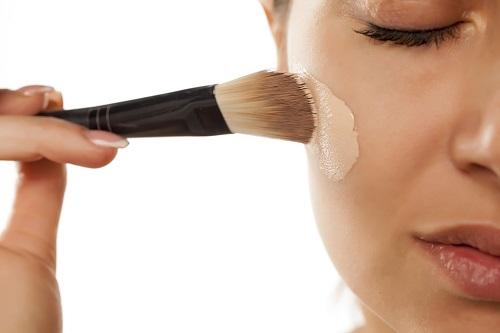 Including a natural makeup primer into your beauty routine may seem like an unnecessary extra step but it’s important to getting the most out of your natural makeup throughout the day. A makeup primer helps any foundation adhere to the skin more readily. Not only that, your foundation will go on more evenly. Whether your skin is dry or oily, the makeup primer will hydrate where you need it as well as control excess oil.
 Setting the stage with a primer allows your foundation to not only apply more evenly but it will also help you more easily blur imperfections and hold your makeup in place on your face all day.
But how do you know if you’re using the right kind of primer? How do you know if you should be using an all-natural silicone-free primer or a silicone-based primer?
Take a look at your favoritemakeup primer. If you see words ending in -cone,-methicone, or -siloxane in the first few ingredients then your primer is silicone-based. If you don’t see any of these words, then most likely your primer is silicone-free.
Silicone is a synthetic substance, usually listed as 'Dimethicone' or ‘Cyclomethicone’ on product labels. Silicone is used in primers to fill in imperfections, allowing for smooth, even make-up application. This ingredient also creates a slightly sticky surface that keeps make-up on the skin all day.Dimethicone is a synthetic chemical and oil-free.
Most primers these days are silicone-based, and no shade, but they are not right foreveryone. On another hand, some people experience clogged pores when a primer isn't oil-free, especially a product that sits under a layer of make-up.
Downside of Silicone:
1. Applying a silicone primer to dry skin can leave it feeling flaky and dehydrated, despite the product's silky feel. Silicone is also said to clog pores and cause breakouts if the product builds up over time.
2. Silicone primers create a layer between the skin and make-up. This layer may trap impurities and bacteria, making skin prone to breakouts and irritation.
3. The oil-free part might be tempting at first but acne sufferers should be wary. Many acne sufferers claim that Dimethicone’sthe main exacerbating acne issues.
You may choose to use a silicone-free primer.
Why Silicone Free Primers: There are tons of benefits to finding make-up primers without silicone, especially if you have oily skin! Oily skin does not play well with silicone. You may have tried primer in the past and felt it didn't agree with your skin. However, if you use the right primer, it can work wonders for your make-up application. Try a silicone-free primer and see if you don't have a completely different experience.
Cream formula primers have a much thicker consistency compared to silicone. This formula tends to contain moisturizing ingredients, making it a great choice for those with dry skin. Since this type of primer can be more moisturizing, it’s best to start with a small amount and build as needed.
Unlike cream face primers, lotion primers are light on the face. This kind of primer is good for normal to combination skin. Lotion primers are almost always formulated with hydrating ingredients and, unlike creams, absorb easily into the skin.
Knowing your skin type will make choosing the right primer much easier.
Post Your Ad Here
Comments