Riding to Success: Who are Equestrian Trainers? Know them in detail
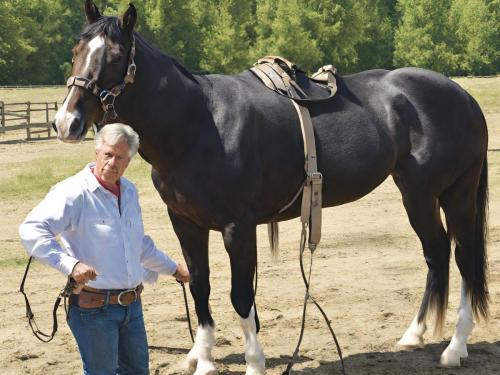
Introduction:
Equestrian trainers, who are often
figures, in the realm of horseback riding have an impact on the development of
both riders and horses. Their role extends beyond teaching riding techniques;
they also delve into the aspects of equine behaviour, therapy and instruction.
In this exploration we uncover the stories of these individuals who guide us
through the captivating journey of forging a connection, between humans and
horses.
Key Takeaways:
- Equestrian
trainers are multifaceted professionals, influencing both riders and
horses.
- Their
role extends beyond teaching riding skills, encompassing equine therapy
and behaviour understanding.
- Certification
and specialized training are integral for becoming a successful equestrian
trainer.
- The
demand for equestrian training is on the rise due to its holistic
benefits.
1. The Role of Equestrian
Trainers:
Equestrian trainers play a
role, as mentors, coaches and guides nurturing a bond between riders and their
beloved horses. In addition, to teaching riding techniques they also instil
discipline, confidence and empathy in order to develop rounded equestrians.
2. Qualities of a Successful Equestrian Trainer:
Being a trainer requires qualities, like effective communication,
patience and a deep understanding of horse behaviour. It's crucial to strike a
balance, between authority and compassion creating an environment where
learning takes place harmoniously.
3. Becoming an Equestrian Trainer: Training and Certification:
Becoming a trainer for horses requires following a defined training and
certification process. Accredited programs emphasize aspects such, as riding
techniques teaching methods and equine science. These programs lay the
groundwork for individuals aspiring to become trainers, in the field of
equestrianism.
4. Specializations in Equestrian Training:
Equestrian training is not a one size fits all pursuit. Trainers
frequently focus on areas, like dressage, jumping or equine assisted therapy.
These specializations cater to a range of interests. Contribute to the overall
growth of both the horse and the rider.
5. Horse Riding Instructors vs. Equine Therapists:
Horse riding instructors primarily concentrate on imparting riding
abilities whereas equine therapists utilize horses, as instruments. The
difference lies in the desired outcome – achieving expertise in riding as
opposed to harnessing the potential of horses, for mental wellness.
6. Understanding Horse Behaviour: The Core of Equestrian Training:
Equestrian instructors are, like translators of the language spoken by
horses. Their expertise lies in comprehending horse behaviour, which allows
them to establish trust tackle problems and foster a connection, between the
horse and rider.
7. Challenges Faced by Equestrian Trainers:
In todays world as we become more aware of the healing properties of
spending time with animals there is a growing interest, in training. It's not
just sports enthusiasts who are drawn to this; many people are looking for the
benefits that come from forming a connection, between humans and horses. They
see it as a way to enhance development and improve their well being.
8. The Growing Demand for Equestrian Training:
In an era where the therapeutic benefits of interacting with animals are
increasingly recognized, the demand for equestrian training is on the rise.
Beyond sports enthusiasts, individuals seek the holistic advantages of
horse-human connection for personal growth and well-being.
Conclusion:
The world of training is enriched by the abilities and deep
understanding that equestrian
trainers possess. They skilfully intertwine the experiences of both humans
and horses creating a captivating tapestry. As the demand, for their expertise
continues to rise the future holds a promise of appreciating and comprehending
the bond, between humans and horses.
Post Your Ad Here
Comments