Revolutionizing Organizational Growth: The Strategic Advantage of 360-Degree Surveys
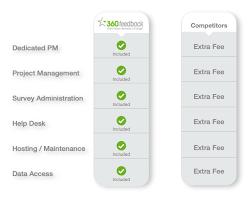
In an era where organizational agility and adaptability are paramount, 360 degree surveys emerge as a cornerstone for transformative growth. Moving beyond the confines of traditional performance reviews, these surveys offer a panoramic view of an organization's human capital, unlocking insights into strengths, weaknesses, and areas ripe for development. This article delves into the essence of 360 surveys, shedding light on their unparalleled capacity to foster a culture of continuous improvement and bolster employee engagement across the board.
The Essence of 360-Degree Surveys
360-degree feedback tools are intricately designed to gather comprehensive insights from an array of sources including peers, subordinates, supervisors, and even external stakeholders, alongside self-assessment. This multifaceted feedback mechanism ensures a well-rounded understanding of performance and behaviour within the organizational ecosystem.
Catalyzing Employee Engagement
At the heart of 360-degree feedback is its profound impact on employee engagement. By actively involving employees in the feedback process, organizations signal a deep-seated commitment to personal and professional development. This participatory approach enhances employees' sense of belonging and value, cultivating a motivated and committed workforce.
Driving a Culture of Continuous Improvement
Continuous improvement is not just a goal but a journey. 360-degree surveys serve as a navigational tool, guiding organizations through this journey with actionable insights. The feedback obtained facilitates targeted development plans, skill enhancement, and behavioural adjustments, ensuring continuous growth and adaptation.
Enhancing Leadership Development and Succession Planning
Leadership development stands as a critical beneficiary of 360-degree feedback. By providing leaders with a holistic view of their impact, strengths, and areas needing improvement, organizations can tailor developmental initiatives that refine leadership capabilities and prepare for seamless succession planning.
Strengthening Team Dynamics and Communication
The ripple effect of 360-degree feedback on team dynamics and communication cannot be overstated. Through transparent and constructive feedback, teams can identify and mitigate interpersonal challenges, enhance collaboration, and build a robust foundation of trust and mutual respect.
Navigating Challenges and Maximizing Impact
Implementing 360-degree feedback is not without its challenges. The article will explore common pitfalls such as feedback bias, information overload, and potential resistance, providing strategic insights on navigating these hurdles and ensuring the feedback process is both effective and empowering.
Leveraging Technology for Enhanced Feedback Processes
The role of technology in streamlining and enhancing the 360-degree feedback process is undeniable. Innovations in feedback software and platforms not only simplify the logistical aspects but also enrich the quality of insights gained, making it easier for organizations to act on the feedback.
Case Studies: Transformations Powered by 360-Degree Feedback
Illustrating the transformative power of 360-degree feedback, this section will delve into real-world case studies where organizations have leveraged this tool to drive significant improvements in performance, culture, and leadership effectiveness.
Conclusion
The strategic implementation of 360 degree surveys marks a paradigm shift in how organizations approach performance evaluation, employee development, and organizational growth. By harnessing the comprehensive insights these surveys provide, organizations can cultivate a vibrant culture of continuous improvement, drive employee engagement, and pave the way for enduring success. As we look to the future, the role of 360-degree feedback in shaping organizational landscapes remains both pivotal and promising.
Post Your Ad Here
Comments