Rapid Prototyping
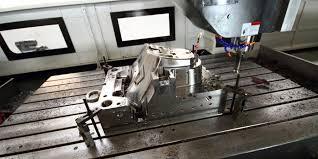
Computerized Numerical Control also known as CNC machining can be defined as a form of subtractive manufacturing process that optimally functions for purposes of prototyping, form and fit fisting, fixtures and jigs as well as other functional components for a number of end-use applications.
CNC machining facilitates the production of the finest, precise parts, properly functional engineering prototypes, injection molds and piece parts. Faster production and high accuracy of parts can be achieved using an array of materials. The use of different materials in the concept stage of the prototype allows the design team to nearly simulate the appearance of the finished product but with the freedom to implement alterations.
How it works
Parts are essentially machined from 3-dimensional CAD files directly with the help of a number of computer controlled cutters and tools. Machinists who do the work utilize 3D CAD files to program in software. This is what allows CNC machines to extract material from a designated stock work piece. The part that has been machined is then extracted and painted or finished in line with the requirements of a particular project
Applications
There are several applications of CNC machining, the notable ones include the following:
• Used in injection mold making.
• Used in the making of engineering models.
• Used in making visual models.
• Used in the making of master patterns.
Materials
There is an array of production materials that can be successfully applied in CNC machining to produce engineering models, these include the plastics below:
i. ABS material.
ii. Nylon material.
iii. Polycarbonate material.
iv. Ultem material.
v. PVC material.
vi. Radel material.
vii. Noryl material.
viii. PTFE material.
ix. CTFE material.
x. PEEK material.
xi. UMHW material.
xii. Acetyl material.
xiii. HDPE material.
xiv. Polypropylene material.
Other non-plastic materials include the ones that have been outlined below:
• Aluminum.
• Steel.
• Stainless steel.
• Modeling board.
• Titanium.
• Brass.
• Foams.
Finish levels
Rapid prototyping CNC machining finish levels include the following:
Injection molds – This involves tool finishing or polishing from general custom textures all the way to high polish.
Piece part finish – This involves the removal of machine marks, edge breaks as well as plating and coating.
Paint and final finish – This involves removal of machine marks, priming and painting to the specifications of a given client.
Pros
Rapid prototyping CNC machining has a number of advantages that ought to be readily embraced, they include the following:
i. CNC machining can be successfully utilized for twenty four hours a day and only requires to be turned off for purpose of maintenance.
ii. CNC machining facilitates high accuracy of work and equally ensures an exemplary finish to both the surface and details of the finished product.
iii. CNC machining is unique in that it is the only process that can accomplish certain high precision jobs.
Conclusion
The above insightful information clearly outlines how CNC machining works, its advantages and its applications. Rapid prototyping is undoubtedly the future as it is convenient, efficient and quite speedy to perform. These are some of the reasons why it is gaining popularity in recent times and will continue to do so in the days to come. CNC machining is one of the best in terms of efficiency as well as reliability.
To know short run injection molding cost, the author of the article recommends HLH Prototypes.
CNC machining facilitates the production of the finest, precise parts, properly functional engineering prototypes, injection molds and piece parts. Faster production and high accuracy of parts can be achieved using an array of materials. The use of different materials in the concept stage of the prototype allows the design team to nearly simulate the appearance of the finished product but with the freedom to implement alterations.
How it works
Parts are essentially machined from 3-dimensional CAD files directly with the help of a number of computer controlled cutters and tools. Machinists who do the work utilize 3D CAD files to program in software. This is what allows CNC machines to extract material from a designated stock work piece. The part that has been machined is then extracted and painted or finished in line with the requirements of a particular project
Applications
There are several applications of CNC machining, the notable ones include the following:
• Used in injection mold making.
• Used in the making of engineering models.
• Used in making visual models.
• Used in the making of master patterns.
Materials
There is an array of production materials that can be successfully applied in CNC machining to produce engineering models, these include the plastics below:
i. ABS material.
ii. Nylon material.
iii. Polycarbonate material.
iv. Ultem material.
v. PVC material.
vi. Radel material.
vii. Noryl material.
viii. PTFE material.
ix. CTFE material.
x. PEEK material.
xi. UMHW material.
xii. Acetyl material.
xiii. HDPE material.
xiv. Polypropylene material.
Other non-plastic materials include the ones that have been outlined below:
• Aluminum.
• Steel.
• Stainless steel.
• Modeling board.
• Titanium.
• Brass.
• Foams.
Finish levels
Rapid prototyping CNC machining finish levels include the following:
Injection molds – This involves tool finishing or polishing from general custom textures all the way to high polish.
Piece part finish – This involves the removal of machine marks, edge breaks as well as plating and coating.
Paint and final finish – This involves removal of machine marks, priming and painting to the specifications of a given client.
Pros
Rapid prototyping CNC machining has a number of advantages that ought to be readily embraced, they include the following:
i. CNC machining can be successfully utilized for twenty four hours a day and only requires to be turned off for purpose of maintenance.
ii. CNC machining facilitates high accuracy of work and equally ensures an exemplary finish to both the surface and details of the finished product.
iii. CNC machining is unique in that it is the only process that can accomplish certain high precision jobs.
Conclusion
The above insightful information clearly outlines how CNC machining works, its advantages and its applications. Rapid prototyping is undoubtedly the future as it is convenient, efficient and quite speedy to perform. These are some of the reasons why it is gaining popularity in recent times and will continue to do so in the days to come. CNC machining is one of the best in terms of efficiency as well as reliability.
To know short run injection molding cost, the author of the article recommends HLH Prototypes.
Advertise on APSense
This advertising space is available.
Post Your Ad Here
Post Your Ad Here
Comments