Rapid Digital Prototyping in China
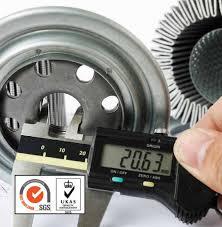
Rapid prototype Services in China, otherwise known as desktop manufacturing, additive fabrication, solid freeform fabrication, three dimensional printing or layered manufacturing, has always been in the forefront of development and design.

By quickly creating prototypes that are similar to form and function as the actual production unit, developers are able to create a product that meets the expectations of consumers and project sponsors.
Through a combination of rapid prototyping methods and traditional model making, high quality prototypes can be created with less the expense and quicker turnaround times.
With pidocos web-based prototyping software, interaction designers and web developers can save valuable time, enhance the creative process and build better interfaces for the internet.
Rapid Paper Prototyping has already been established as THE way to get a GUI started. The basic concepts of the layout will be put on paper and shared and iterated within the team. This prototype will then go through an iterative design process by implementing feedback from different stake holders. This paper screen will at last act as a rough guide for the whole project - from start to finish. Some screen-designers even use these paper sketches for running usability tests. Revealing usability issues in an early stage of development can save a lot of time, since later alterations in the so called finished web project are minimized.
Anyway, there are several drawbacks to Rapid Paper Prototyping. Paper prototypes are difficult to add to the document servers and also difficult to share between team-members. Transforming paper sketches into interactive, digital documents for getting the grip on how workflows are reproduced in the design is also a time consuming task as we all know!
That is why many companies create their prototypes directly in MS PowerPoint or InDesign and have them distributed to the relevant sources. True, that way one can share the data more effectively but it is not really more interactive than copying a piece of paper handing it to the team. The digital sketches still do not show the real capabilities for test user excitement: links, dynamic menus and buttons etc. cannot be reproduced effectively and need to be explained individually in long specs. Again, more time and effort has to be invested to get the message across.
pidoco has spotted this problem and made it their task to tackle it by providing a simple web-based interface design software .
Wireframing and Real-time Collaboration
The pidoco wireframe software consists of three main components which complement each other perfectly. They speed up the interface design process and optimize the general workflow in all stages of interactive web design.
Interactive wireframes are quickly sketched with the Prototype Creator (just by drag&drop) and can later easily be shared and reviewed by colleagues, test users or clients. If there is need for even more in-depth feedback on individual aspects of the concept wireframes , just use the digital prototypes to perform a easy to set up remote usability test where moderator and test user are connected remotely by a shared screen and an integrated phone. All modules are aimed to increase productivity of the interface design process and ease communication within the team.
Rapid Digital Prototyping (RDP)
Through prefab interface components (e.g. radio buttons, links, navigation items, controls etc.) interface designers can create clickable and animated web or software interfaces within minutes. Without any programming skills, interface designers can focus on the web concept and use cases, site structures and the overall layout of the site, instead of getting lost in details that distract from the overall concept of the site.
Real-time Collaboration
But even if screen designs have already been made in some high-fidelity graphics software (e.g. Photoshop, pidoco can add value to the process by bringing interactivity to static screens. Adding click areas to the finished screenshots enhance the collaboration and interaction capabilities of a former static screenshot. Colleagues, clients and test users can now easily be integrated in the designs process and online discussions can be held. Just like web conferencing, but with real-time editing never seen before!
Digital beats Pen and Paper
Our conclusion of Rapid Digital Prototyping: Its got the look and feel of pen and paper, but adds interactivity (making wireframes animated) and accelerates developing speed through re-usable elements and layers. Many (real-time) collaboration components enable interface designers to new ways to work with much better time allocation, leaving more time for the creative process that really counts.
If you are looking for Rapid Prototyping service, the author of this article recommends Hlh Prototypes Co Ltd.
By quickly creating prototypes that are similar to form and function as the actual production unit, developers are able to create a product that meets the expectations of consumers and project sponsors.
Through a combination of rapid prototyping methods and traditional model making, high quality prototypes can be created with less the expense and quicker turnaround times.
With pidocos web-based prototyping software, interaction designers and web developers can save valuable time, enhance the creative process and build better interfaces for the internet.
Rapid Paper Prototyping has already been established as THE way to get a GUI started. The basic concepts of the layout will be put on paper and shared and iterated within the team. This prototype will then go through an iterative design process by implementing feedback from different stake holders. This paper screen will at last act as a rough guide for the whole project - from start to finish. Some screen-designers even use these paper sketches for running usability tests. Revealing usability issues in an early stage of development can save a lot of time, since later alterations in the so called finished web project are minimized.
Anyway, there are several drawbacks to Rapid Paper Prototyping. Paper prototypes are difficult to add to the document servers and also difficult to share between team-members. Transforming paper sketches into interactive, digital documents for getting the grip on how workflows are reproduced in the design is also a time consuming task as we all know!
That is why many companies create their prototypes directly in MS PowerPoint or InDesign and have them distributed to the relevant sources. True, that way one can share the data more effectively but it is not really more interactive than copying a piece of paper handing it to the team. The digital sketches still do not show the real capabilities for test user excitement: links, dynamic menus and buttons etc. cannot be reproduced effectively and need to be explained individually in long specs. Again, more time and effort has to be invested to get the message across.
pidoco has spotted this problem and made it their task to tackle it by providing a simple web-based interface design software .
Wireframing and Real-time Collaboration
The pidoco wireframe software consists of three main components which complement each other perfectly. They speed up the interface design process and optimize the general workflow in all stages of interactive web design.
Interactive wireframes are quickly sketched with the Prototype Creator (just by drag&drop) and can later easily be shared and reviewed by colleagues, test users or clients. If there is need for even more in-depth feedback on individual aspects of the concept wireframes , just use the digital prototypes to perform a easy to set up remote usability test where moderator and test user are connected remotely by a shared screen and an integrated phone. All modules are aimed to increase productivity of the interface design process and ease communication within the team.
Rapid Digital Prototyping (RDP)
Through prefab interface components (e.g. radio buttons, links, navigation items, controls etc.) interface designers can create clickable and animated web or software interfaces within minutes. Without any programming skills, interface designers can focus on the web concept and use cases, site structures and the overall layout of the site, instead of getting lost in details that distract from the overall concept of the site.
Real-time Collaboration
But even if screen designs have already been made in some high-fidelity graphics software (e.g. Photoshop, pidoco can add value to the process by bringing interactivity to static screens. Adding click areas to the finished screenshots enhance the collaboration and interaction capabilities of a former static screenshot. Colleagues, clients and test users can now easily be integrated in the designs process and online discussions can be held. Just like web conferencing, but with real-time editing never seen before!
Digital beats Pen and Paper
Our conclusion of Rapid Digital Prototyping: Its got the look and feel of pen and paper, but adds interactivity (making wireframes animated) and accelerates developing speed through re-usable elements and layers. Many (real-time) collaboration components enable interface designers to new ways to work with much better time allocation, leaving more time for the creative process that really counts.
If you are looking for Rapid Prototyping service, the author of this article recommends Hlh Prototypes Co Ltd.
Advertise on APSense
This advertising space is available.
Post Your Ad Here
Post Your Ad Here
Comments