Must-Know Trampoline Safety Tips For Parents
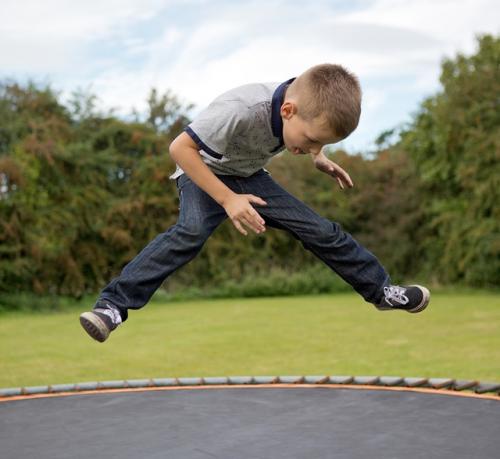
If your child is asking for a trampoline, know that odd bumps and strains are par for the course. But serious neck and spine injuries? You don’t want any of that! So before you head out to the mall or start shopping online, read this mini-safety guide to ensure your child has a fun and safe time jumping.
Things To Remember Before Buying
First things first. If you’re planning to buy a trampoline for a 6-year old, just don’t! These playthings are not suitable for young children.
Now, trampolines come in different shapes, sizes, and designs. But whichever model you pick, make sure it comes with safety pads that cover the steel springs, hooks, and frames. The pad’s color should also contrast with the frame to stop kids from jumping on it.
Safety nets are another feature to consider.
If possible, go for a trampoline that has one as part of its design. The safety net prevents kids from hitting the steel components of trampoline and accidental bouncing exits, both of which can cause serious injuries. If you can’t find a model which fits the bill, buy the safety net together with the trampoline.
And while you’re at it, go get a pair or two of trampoline socks.
These socks come with high-quality traction at the bottom, preventing kids from sliding or slipping from the platform. Not to mention trampoline socks can also reduce the risk of exposure to germs and bacteria, a common problem when trampolining with bare, sweaty feet!
Where To Put The Trampoline
An energy-absorbing ground - like a soft lawn - is the ideal spot for a trampoline. If you don’t have a lawn, you can rest easy knowing you can add cushioning material underneath the trampoline. But remember not to place a trampoline under hard surfaces like concrete.
If the model you bought doesn’t have a safety net, you want to have a safe zone of about 2.5 meters. This area should be clear of toys, glass frames, poles, and other fixtures that a bouncing child may hit.
Always Check The Trampoline Before Use
You can stop many injuries and accidents from happening if you regularly check the trampoline before using. First, you want to make sure it’s tied down and stable. The padding and nets must be in place, while the spring and other metal parts are covered in their entirety.
If the model you have has a ladder, you should consider removing it to deter small kids from gaining unsupervised access.
And Keep These Rules In Mind
You now know what features to look for, where to place the trampoline, and how to check the platform for safety. But before we end this mini-guide, a couple of usage rules need emphasizing.
First on the list:
Only one person on the trampoline at a time. More than half of trampoline-related injuries happen when more than one person is on the platform. And worse, the person who weighs less are 5 times more prone to accidents and injuries.
Risky acrobatics like somersaults, backflips, and bouncing exits are also a big no-no. Unless your child is trained, such moves will only invite disaster.
Post Your Ad Here
Comments