Maintenance Tips for Your Residential Water Softener
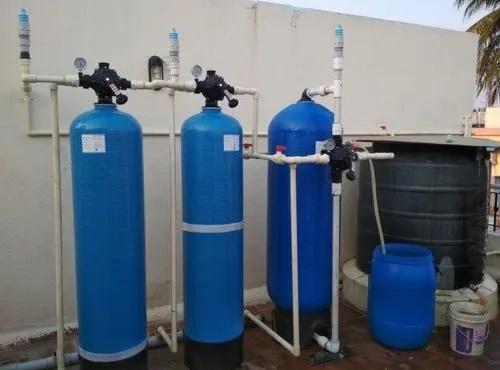

A
residential water softener is an excellent investment that provides numerous
benefits, such as preventing mineral buildup in pipes and appliances, improving
soap efficiency, and enhancing the overall water quality in your home. However,
regular maintenance is crucial to keep your water softener functioning
efficiently and extend its lifespan. Here are some essential maintenance tips
to ensure your residential water softener remains in top condition.
1. Regularly Check the Salt Level
The brine
tank in your water softener uses salt to regenerate the resin beads that soften
your water. Check the salt level at least once a month to ensure it’s always
appropriate. The salt should be above the water level in the brine tank. If the
salt appears crusty or forms a bridge, gently break it up to ensure proper
functioning.
2. Use the Right Type of Salt
Different
types of salt are available for water softeners, including rock salt, solar
salt, and evaporated salt pellets. While rock salt is cheaper, it contains more
impurities that can lead to buildup and maintenance issues. Evaporated salt
pellets are the purest and most effective option, as they dissolve more
efficiently and leave fewer residues.
3. Clean the Brine Tank
Over time,
the brine tank can accumulate sediment and impurities, affecting the
performance of your water softener. Clean the tank every 6-12 months by
following these steps:
- Empty the tank and
discard any remaining salt.
- Remove the brine grid
(if present) and clean the interior with warm water and dish soap.
- Rinse thoroughly and
refill with fresh water and salt.
4. Inspect the Resin Beads
The resin
beads in your water softener exchange hardness minerals with sodium ions. If
you notice a decline in water quality or efficiency, it might be time to
inspect or replace the resin beads. Resin beads typically last 10-15 years, but
high iron content in your water can shorten their lifespan. Use a resin cleaner
periodically to maintain their effectiveness.
5. Check for Salt Bridges and Mushing
Salt
bridges (hardened salt layers) and mushing (salt sludge) can disrupt
regeneration. If you suspect a salt bridge, use a broom handle to gently break
up the hardened salt. Remove the sludge and clean the brine tank for mushing as
described earlier.
6. Regenerate the System Manually
Occasionally,
manually regenerating your water softener can help maintain optimal
performance. Most units have a control panel with a manual regeneration option.
Refer to your user manual for instructions on how to initiate this process.
Manual regeneration ensures the resin beads are thoroughly cleaned and
recharged.
7. Monitor Water Softener Settings
Ensure your
water softener settings are correctly calibrated for your water hardness level
and household water usage. Incorrect settings can lead to inefficient
performance and increased salt consumption. Refer to the user manual for
guidance on adjusting the settings or consult a professional.
8. Inspect and Clean the Venturi Valve
The venturi
valve creates suction to draw brine into the resin tank during regeneration.
Over time, it can become clogged with sediment or debris. Inspect and clean the
valve every 6-12 months:
- Disconnect the valve
from the unit.
- Rinse it under running
water and use a small brush to remove buildup.
- Reassemble and reattach
the valve.
9. Schedule Professional Servicing
While
regular DIY maintenance is essential, scheduling professional servicing once a
year can help address potential issues and ensure your water softener functions
optimally. A professional can thoroughly inspect the system and make necessary
adjustments or repairs.
10. Stay Informed About Your Water
Quality
Keep track
of your water quality by testing it periodically. Changes in water hardness or
the presence of iron and other minerals can affect your water softener’s
performance. Knowing your water quality helps you adjust maintenance routines
and settings accordingly.
Conclusion
Proper
maintenance of your residential water softener is key to ensuring it operates
efficiently and lasts for many years. By following these maintenance
tips—regularly checking salt levels, using the right type of salt, cleaning the
brine tank, inspecting the resin beads, and more—you can enjoy the benefits of
softened water without interruption. Remember, investing a little time in
maintenance now can save you from costly repairs and replacements in the
future.
Post Your Ad Here
Comments