Life After Robotic Radical Prostatectomy
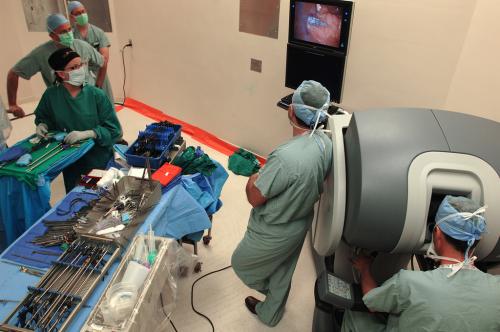
Radical prostatectomy is a surgical procedure used for the treatment of prostate cancer. During this procedure, the prostate gland is completely removed along with the surrounding tissues to eliminate the cancerous cells.
The surgeon may decide to conduct radical prostatectomy in two ways – through open surgery or laparoscopic surgery. The latter is a minimally invasive surgery that has been associated with minimal pain, recovery time, and side effects.
Another variation of this procedure is robotic radical prostatectomy in India. This highly advanced surgery is conducted with the help of a surgical robot. It is a minimally invasive surgery conducted with the help of da Vinci Surgical System, which provides an extremely magnified and 3D view of the surgical area to the oncologist during the procedure.
The robotic arms attached to the system provides extreme dexterity to the robotic radical prostatectomy surgeons in india. Therefore, they are able to access even the remotest tissues surrounding the prostate and eliminate cancer cells precisely.
The chances of catheterization after robotic radical prostatectomy are negligible and there is minimal blood loss. The surgery takes a little above four hours to complete.
What to expect after robotic radical prostatectomy?
Unlike open surgery, patient after undergoing robotic radical surgery is discharged with a day or two after the procedure. They are typically allowed to conduct light activities starting immediately, until the end of two or three weeks.
However, some patients are required to have a foley catheter inserted for at least a week. Urinary incontinence after catheter removal is fairly common and is experienced by almost 90 percent of the patients for a few weeks. But incontinence eliminates by itself as the time passes.
Men are able to hold urine in their bladder again. But some of them may experience urine leakage upon coughing, sneezing, or laughing. They may experience urine leakage even while getting up from bed or a chair.
Within a few weeks, urinary leakage is controlled completely in 85 percent of the men with the help of Kegel exercises. A few men also experience erection problems, which is possibly because of damage to the nerves. However, erection problems are temporary in a majority of men. The ability of the candidates to erect again depends on their condition, age, medical status, and the nerve-sparing status (whether only one nerve has been damaged/removed or both).
Typically, candidates are able to return to heavy work/lifting activities within three to four weeks. Those who are involved in light office work can return back to their normal routine within two to three weeks.
Patients
can also expect to undergo a few tests within a few weeks of the surgery to
check the final status of cancer. The test reports will indicate the need for
an additional procedure and the likelihood of cancer recurrence.
Post Your Ad Here
Comments