Learn Why Liquid Waste Disposal Is Crucial to a Cleaner Environment
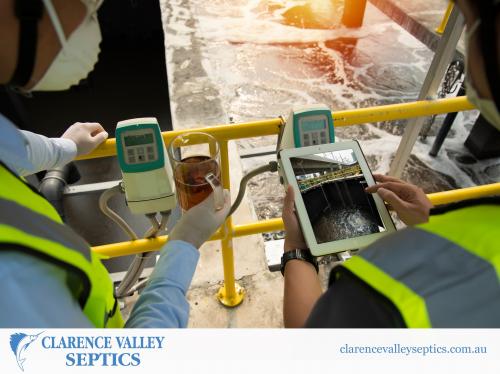
As far as liquid waste is concerned, it includes
industrial chemicals, sludge, wastewater, grease, oil, and comparable things.
Issues requiring significant and complicated solutions may arise from the
improper handling and disposal of these materials. Industrial liquid waste
management is so important that many countries are considered
"underdeveloped" if they don't have a system in place to handle this
type of waste. Liquid
waste disposal encompasses both industrial and domestic sewage systems.
An effective system for storing and distributing household liquids is equally
critical as having access to drinkable water. Improper waste management can
lead to a variety of health and environmental risks.
Clarence Valley Septics is a licensed operator that
can ensure safe waste oil disposal
and all other types of liquid waste at a facility that does not harm humans,
the environment, or air quality. This is necessary when liquid waste is
directed to cesspits, oil interceptors, grease traps, septic tanks, or similar
locations. If people just dumped their liquid waste wherever it was most
convenient for them, it might have catastrophic repercussions.
Managing Liquid
Waste Disposal for Maximum Benefit
·
Liquid waste can
contaminate farmers' groundwater sources if it is not adequately treated before
seeping into the soil. Possible results include crop failures and reduced plant
development. When wastewater is not properly treated, it can harm marine and
aquatic life. An effective treatment can avert these environmental risks.
·
Because people
and animals can get very sick from liquid waste polluting our water, land, or
air, it's crucial that we handle it properly so that we can stop the spread of
disease and protect our farms from contamination.
·
Waste in liquid
form can discharge harmful gases into the air. Inhalation of these fumes can
cause a host of respiratory ailments in both humans and animals. Consequently,
treating liquid waste at the appropriate time is vital for the sake of public
health.
How to Dispose Liquid Waste
1.
Rubbish
Discharge: To create mixed sewage, two or more different types of sewage are
blended. A conventional sewage treatment facility might collect industrial
effluent from a neighbouring factory, or stormwater can combine with sanitary
sewage on its route to the treatment plant.
2.
Sanitary Sewage:
Usually, sewage that is fit for human consumption and made up of human waste
and water used for washing comes from a community or individual households.
Included in this category are items that have been discarded from the kitchen,
bathroom, laundry room, and toilets. Around 99.9 per cent water and 0.1 per
cent organic and inorganic pollutants make up its overall composition.
3.
Storm Sewage:
When it rains heavily, surface runoff goes into municipal sewers, which is
called storm sewage. Sewage treatment facilities use filters to remove organic
matter, mud, and branches. Particles in suspension or dissolved in water may be
present, in addition to biological debris and other things it picks up as it
moves across the Earth's surface.
4. Industrial Waste: Wastewater that is generated by factories and other
industrial facilities. Various forms of industrial production result in the
creation of industrial sewage. Pharmaceutical, paper and textile, chemical, and
oil and gas production all fall within this category. Sewage of this kind
typically contains a high quantity of chemicals.
The Value of Proper Liquid Waste Disposal
An integral aspect of waste management is the
conveyance of liquid sewage. Liquid rubbish is more of a nuisance to collect
and dispose of than solid waste. Liquid wastes pose a threat to drinking water
and other supplies due to their widespread dispersion and the ease with which
they can pollute them. Soil and groundwater can transport it. In turn, this
pollution contaminates the ecosystem, which is essential for the survival of
all forms of life on Earth. Since most liquid waste isn't recyclable or meant
for consumption, it must be disposed of properly across the board.
In Conclusion
Post Your Ad Here
Comments